When people talk about anti-inflammatory skincare, the usual suspects come up. Turmeric. Retinol. Niacinamide. Everyone is rushing to buy the next big thing endorsed by dermatologists on social media. But quietly, tucked away in the world of botanical skincare and traditional medicine, two ingredients have been doing extraordinary work for centuries without getting nearly enough credit. Mimosa bark and camellia oil are not new discoveries. They are ancient remedies that modern science is finally catching up to, and together, they form one of the most powerful anti-inflammatory combinations your skin and body have probably never heard of.
What Is Mimosa Bark and Why Does It Matter?
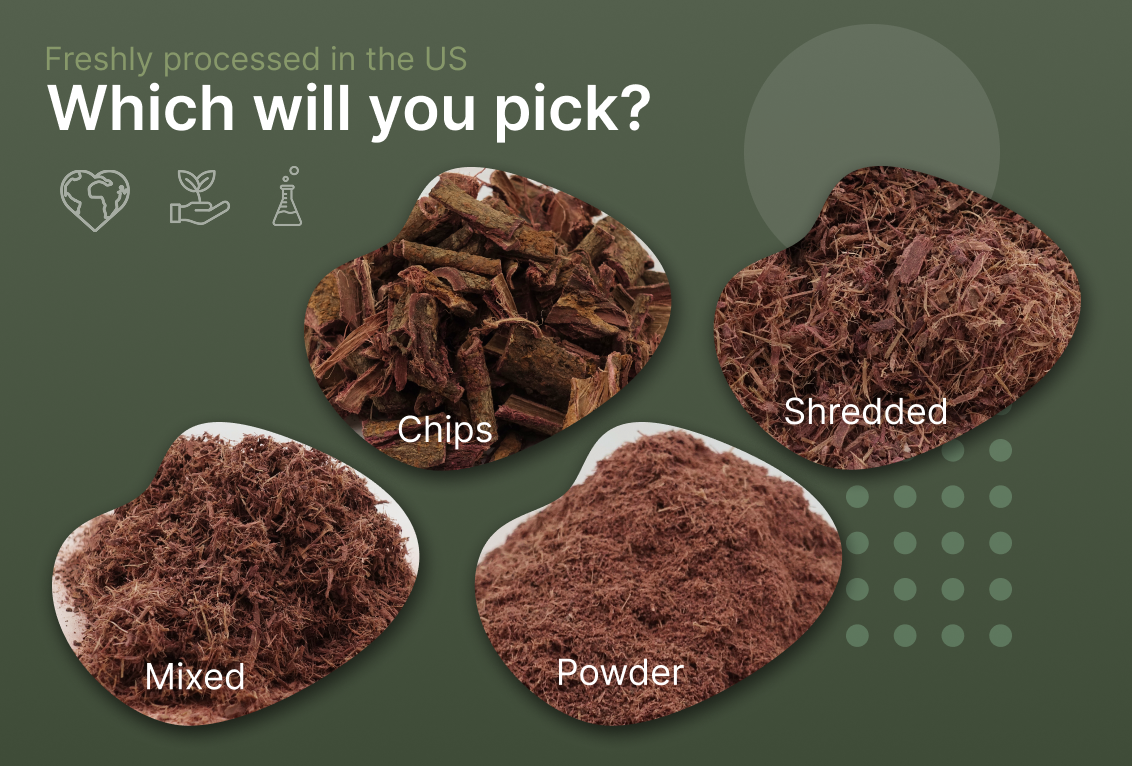
Mimosa bark, derived from the Mimosa tenuiflora tree, also commonly known as jurema preta or tepezcohuite, has been used in traditional herbal medicine across Central and South America for centuries. The bark was traditionally applied to treat wounds, burns, and skin injuries, and was deeply valued by indigenous communities for its remarkable ability to regenerate damaged tissue and relieve physical pain. In Mexican folk medicine, tepezcohuite earned the nickname “skin tree” due to its near-legendary reputation for healing. That name alone gives you a sense of how profoundly this plant was respected by the cultures that relied on it.
What makes mimosa bark scientifically interesting is its rich profile of bioactive compounds. It contains saponins, flavonoids, tannins, and a group of compounds called julibrosides. These compounds have been studied for their anti-inflammatory, antioxidant, antimicrobial, and even antidepressant properties. When it comes to skin health specifically, mimosa bark extract has been shown to calm redness, reduce irritation, and support the skin’s natural repair process.
The Science Behind Mimosa Bark’s Anti-Inflammatory Power
Inflammation is not always the enemy. Acute inflammation is your body doing its job. But chronic, low-grade inflammation is where the real damage happens, whether that means redness and sensitivity on your skin, joint discomfort in your body, or gut lining irritation internally. Mimosa bark works on inflammation at the cellular level by inhibiting certain pro-inflammatory cytokines, which are the signaling proteins that tell your body to keep the inflammatory response going.
Research has shown that mimosa bark extract can reduce the activity of COX-2 enzymes, the same enzymes that common anti-inflammatory medications like ibuprofen target. The difference is that mimosa bark does this gently, without the side effects associated with synthetic compounds. It also contains antioxidants that neutralize free radicals, which are one of the primary triggers of oxidative stress-driven inflammation.
What Is Camellia Oil and Why Is It Underrated?
Camellia oil, pressed from the seeds of Camellia sinensis or Camellia oleifera, is the same plant family that gives us green tea. In Japan, geishas have used camellia oil for centuries to moisturize and protect their skin, and samurai used it to condition and preserve their blades. That might sound like trivia, but it speaks to one core truth about this oil: it is exceptionally stable, deeply nourishing, and incredibly effective.
Unlike many plant-based oils that feel heavy or comedogenic, camellia oil is lightweight and absorbs quickly. It is rich in oleic acid, comprising around 80 to 88 percent of its fatty acid composition, which makes it structurally similar to the skin’s own sebum. This is why it penetrates so easily and deeply without sitting on the surface of the skin. It also contains linoleic acid, palmitic acid, vitamins A, B, C, D, and E, as well as polyphenols that deliver antioxidant protection.
How Camellia Oil Fights Inflammation
The anti-inflammatory properties of camellia oil come primarily from its polyphenol content and its balance of fatty acids. Oleic acid has been studied for its ability to reduce the production of inflammatory markers in the skin, particularly in conditions like eczema, psoriasis, and rosacea. The vitamin E in camellia oil works synergistically with oleic acid to soothe irritated skin, strengthen the lipid barrier, and slow down the transepidermal water loss that often worsens inflammatory skin conditions.
Camellia oil also contains squalene, a compound naturally found in human sebum that declines with age. Squalene is not only a powerful antioxidant but also plays a key role in maintaining skin suppleness and protecting against environmental stressors that trigger inflammation. When you apply camellia oil, you are essentially replenishing what time and lifestyle have stripped away.
Why Mimosa Bark and Camellia Oil Work Better Together
Here is where things get genuinely exciting. Both ingredients are anti-inflammatory on their own, but their mechanisms of action are different, and that difference is what makes them such a compelling combination. Mimosa bark works at the molecular and cellular level, targeting cytokine activity and free radical damage. Camellia oil works at the structural level, reinforcing the skin barrier and delivering fatty acids that the skin uses to regulate its own inflammatory response.
Together, they create a dual-action anti-inflammatory shield. The mimosa bark goes deep, quieting the biochemical signals that drive chronic inflammation. The camellia oil strengthens the outer defense, making it harder for environmental triggers like pollution, UV radiation, and harsh skincare ingredients to set off that inflammation in the first place. You are essentially treating the problem from two directions simultaneously.
Benefits for Skin Inflammation and Sensitivity
People with sensitive, reactive, or condition-prone skin have the most to gain from this combination. Whether you are dealing with redness caused by rosacea, flares triggered by eczema, or general irritation from overusing active ingredients, mimosa bark and camellia oil together can meaningfully reduce the cycle of inflammation and barrier damage.
Mimosa bark extract calms the redness and discomfort while camellia oil rebuilds the compromised skin barrier. This is important because when the skin barrier is damaged, irritants penetrate more easily, which triggers more inflammation, which causes more barrier damage. It is a vicious cycle that can be hard to break. By addressing both inflammation and barrier integrity at once, this duo interrupts that cycle more effectively than most single-ingredient solutions.
Anti-Inflammatory Benefits Beyond the Skin
The power of mimosa bark is not limited to topical application. In herbal medicine, it is consumed as a tea or tincture for its systemic anti-inflammatory and adaptogenic effects. Some practitioners use it to support nervous system regulation, particularly for people experiencing anxiety, grief, or stress-related insomnia. The connection between mental stress and physical inflammation is well-established, and mimosa bark is one of the few botanicals that appears to address both simultaneously.
Camellia oil is also used internally in some East Asian culinary traditions, particularly in southern China, where it is used similarly to olive oil. It carries the same anti-inflammatory fatty acid profile when consumed, supporting cardiovascular health and reducing systemic inflammation markers associated with metabolic conditions.
Mimosa Bark for Joint and Muscle Inflammation
Beyond skin and mood, mimosa bark has been studied for musculoskeletal inflammation. Its saponin compounds appear to reduce swelling and discomfort in connective tissue, which is why it has been used traditionally for joint pain and physical trauma recovery. While it is not a replacement for medical treatment of serious conditions, its gentle anti-inflammatory action makes it a meaningful complementary support for people managing chronic joint discomfort.
How to Use Mimosa Bark and Camellia Oil in Your Routine
The most accessible way to experience the benefits of camellia oil is through direct topical application. A few drops of pure, cold-pressed camellia oil can be applied to damp skin after cleansing, either on its own or mixed into your moisturizer. It is suitable for all skin types, including oily skin, because its fast absorption means it regulates rather than adds to surface sebum.
Mimosa bark is slightly less common as a standalone ingredient, but it is appearing more frequently in botanical skincare formulations, particularly in serums and essences targeting redness and sensitivity. Look for products that list Albizia julibrissin bark extract on the ingredient label. For internal use, mimosa bark is available as a dried herb for tea or as a liquid tincture from reputable herbal suppliers.
Combining Both Ingredients Effectively
If you want to use both ingredients together topically, a good approach is to apply a mimosa bark-containing serum to clean skin first, allow it to absorb for a minute or two, and then layer camellia oil on top to seal in the actives and deliver its barrier-strengthening benefits. This layering technique takes advantage of how each ingredient works, allowing the lighter, water-soluble compounds in mimosa bark extract to penetrate first while the oil-soluble components of camellia oil create a protective finish.
For anyone building a routine for chronic skin sensitivity, consistency is more important than intensity. Using these two ingredients daily over four to eight weeks will yield far better results than aggressive or irregular application.
Who Should Consider This Combination
Mimosa bark and camellia oil are particularly well-suited for a wide range of people. Those with rosacea will benefit from the combined redness-reducing and barrier-strengthening effects. People with eczema or atopic dermatitis will find that camellia oil’s lipid-replenishing action addresses one of the core deficiencies of their condition, while mimosa bark helps manage the inflammatory flares. Individuals with aging or mature skin will appreciate that chronic low-grade inflammation, sometimes called “inflammaging,” is one of the primary drivers of visible skin aging, and both ingredients address this from different angles.
Even people without a diagnosed skin condition but who experience general redness, puffiness, or sensitivity from environmental stress, diet, or lifestyle will find value in incorporating these ingredients. Anti-inflammatory skincare is not just for people with problems. It is a proactive strategy for anyone who wants to maintain healthier, more resilient skin over time.
Is This Combination Safe for All Skin Types?
Generally, yes. Both mimosa bark extract and camellia oil are well-tolerated by most skin types. Camellia oil is non-comedogenic, meaning it does not clog pores, making it safe for oily and acne-prone skin. Mimosa bark extract is gentle and does not contain common irritants like alcohol or synthetic fragrance. As with any new skincare ingredient, doing a patch test on a small area of skin before full application is always a sensible precaution.
Those using prescription topical medications should speak with a dermatologist before introducing new botanical actives, simply to ensure there are no interactions with the treatment plan.
Where to Find Quality Mimosa Bark and Camellia Oil Products
The growing interest in botanical skincare has made both of these ingredients more accessible than they were even five years ago. For camellia oil, look for products that specify cold-pressed and ideally organic on the label. Cold pressing preserves the full spectrum of fatty acids and antioxidants, whereas heat-processed oils may have a diminished nutrient profile.
For mimosa bark, the herbal supplement market and botanical skincare brands are your best options. Brands that specialize in Traditional Chinese Medicine-inspired formulations or slow beauty skincare are most likely to carry high-quality mimosa bark products. Reading ingredient lists carefully and sourcing from brands that provide transparency about their supply chain will help you get the most potent and authentic version of this ingredient.
The Bigger Picture: Embracing Underrated Botanicals
The skincare industry has a tendency to cycle through trends rapidly, pushing consumers toward whatever is newest and most marketable. Mimosa bark and camellia oil are a reminder that some of the most effective ingredients are also the least hyped. They do not have major advertising budgets. They are not being promoted by celebrity dermatologists. But they have something arguably more valuable, which is centuries of traditional use validated by a growing body of modern scientific research.
As consumers become more educated and more interested in ingredient transparency and efficacy, there is a real opportunity to look beyond the mainstream and discover what botanical wisdom has known all along. The anti-inflammatory power of this particular duo is genuine, accessible, and supported by both traditional knowledge and contemporary science.
Conclusion
Mimosa bark and camellia oil are two of the most underappreciated anti-inflammatory ingredients available today. Individually, each brings a remarkable range of benefits: mimosa bark through its ability to quiet inflammatory pathways at the cellular level and support both skin and systemic health, camellia oil through its structurally intelligent fatty acid profile that reinforces the skin barrier and delivers deep nourishment. Together, they form a complementary pairing that addresses inflammation from multiple angles simultaneously.
Whether you are dealing with sensitive skin, chronic redness, a diagnosed inflammatory skin condition, or simply want to take a more proactive approach to long-term skin health, this duo deserves a place in your routine. The best skincare is often not the loudest. Sometimes, the most powerful ingredients are the ones that have quietly been working for thousands of years, waiting for the rest of us to catch up.
Frequently Asked Questions
1. Can I use camellia oil if I have oily or acne-prone skin?
Yes. Camellia oil is non-comedogenic and absorbs quickly without clogging pores. Its similarity to the skin’s natural sebum actually helps balance oil production rather than add to it.
2. How long does it take to see results from mimosa bark and camellia oil?
Most people notice reduced redness and improved skin texture within two to four weeks of consistent use. For deeper inflammatory conditions like eczema or rosacea, six to eight weeks of daily use gives the best results.
3. Can mimosa bark be taken internally as well as used on skin?
Yes. Mimosa bark is traditionally consumed as a tea or tincture in herbal medicine for its systemic anti-inflammatory and calming effects. However, consult a qualified herbalist or healthcare provider before internal use.
4. Is camellia oil the same as camellia sinensis extract found in green tea products?
They come from the same plant family but are different preparations. Camellia oil is cold-pressed from the seeds, while green tea extract is derived from the leaves. Both offer antioxidant benefits, but the oil provides superior barrier-strengthening and moisturizing properties.
5. Are there any side effects or interactions to be aware of?
Both ingredients are generally very well tolerated. A patch test before first use is always recommended. Anyone on prescription topical medications or herbal supplements should check with their doctor before adding mimosa bark internally.