Exploring the Science Behind Mimosa Tenuiflora’s Healing Properties

Mimosa tenuiflora, native to southern Mexico and South America, has long been valued for its medicinal properties, and modern science is now validating its potential. Rich in bioactive compounds like tannins and flavonoids, it promotes wound healing, reduces inflammation, and offers antioxidant benefits, making it a powerful natural remedy for skin health and beyond.
Growing Mimosa Tenuiflora at Home: Tips for Cultivation and Care
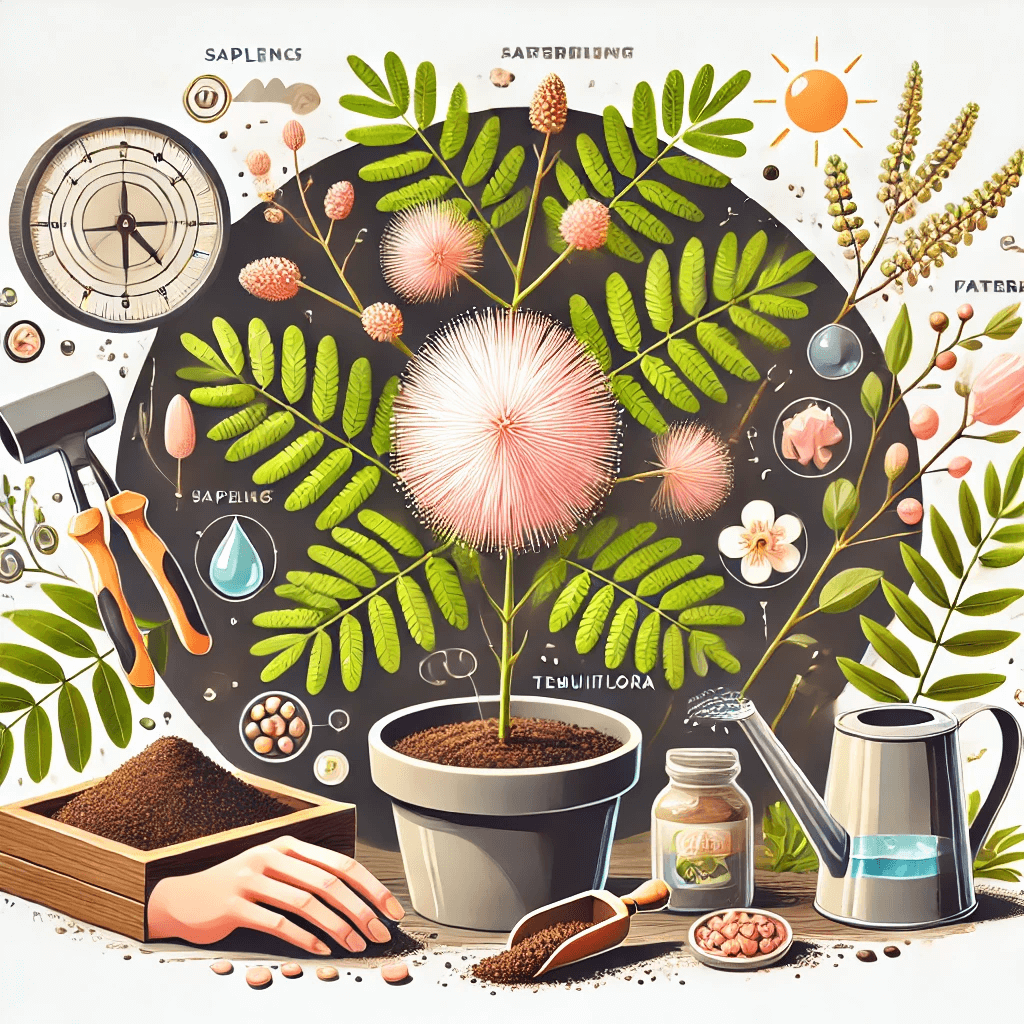
Mimosa tenuiflora, known for its resilience and traditional medicinal uses, thrives in home gardens when provided with the right care. By ensuring a warm, sunny environment, well-draining soil, and consistent maintenance, you can successfully grow this remarkable plant. Whether for its beauty or potential healing properties, Mimosa tenuiflora is a rewarding addition to any garden, offering a meaningful connection to nature and cultural heritage.
Mimosa Tenuiflora: From Forest to Marketplace – A Journey of Sustainability

Mimosa tenuiflora’s journey from the forest to the marketplace emphasizes the importance of ethical sourcing and sustainability. By supporting local communities, promoting transparency, and practicing responsible harvesting, we can ensure that this treasured plant remains a vital part of both cultural heritage and environmental conservation for future generations.
Beyond Medicine: Mimosa Tenuiflora in Art and Culture

Mimosa tenuiflora inspires creativity in art and culture, from ancient spiritual practices to modern-day artworks. Its natural beauty and cultural significance continue to influence artists, preserving indigenous traditions and promoting sustainable practices.
Your Ultimate Sourcing Guide to MHRB: Cost, Quality, Sustainability and Logistics

Mimosa hostilis root bark (MHRB) is a prized commodity in natural dyeing and traditional medicine, known for its vibrant color properties and medicinal benefits. Whether sourced from specialty stores, online marketplaces like Amazon, or local herbal shops, buyers must prioritize quality, sustainability, and ethical practices. This guide offers insights on where to buy MHRB, emphasizing the importance of supporting suppliers who adhere to sustainable harvesting methods and offer high-quality products.
Herbal Healing: Mimosa Tenuiflora In Medicine Then And Now

Mimosa tenuiflora, known for its medicinal and spiritual significance, has been used for centuries by indigenous communities in South America. From wound healing to spiritual ceremonies, this versatile plant offers a range of traditional applications that continue to captivate modern research. As its potential therapeutic uses gain attention, it is essential to balance scientific inquiry with cultural respect.
Shredded vs Powdered MHRB: The Pro’s and Con’s?

Mimosa hostilis root bark (MHRB) offers a world of possibilities, from dye-making to skincare and herbal remedies. This guide covers everything you need to know about choosing, storing, and using MHRB safely and responsibly for your specific needs.
Mimosa Hostilis vs Tenuiflora: A Short Guide to Understanding your MHRB
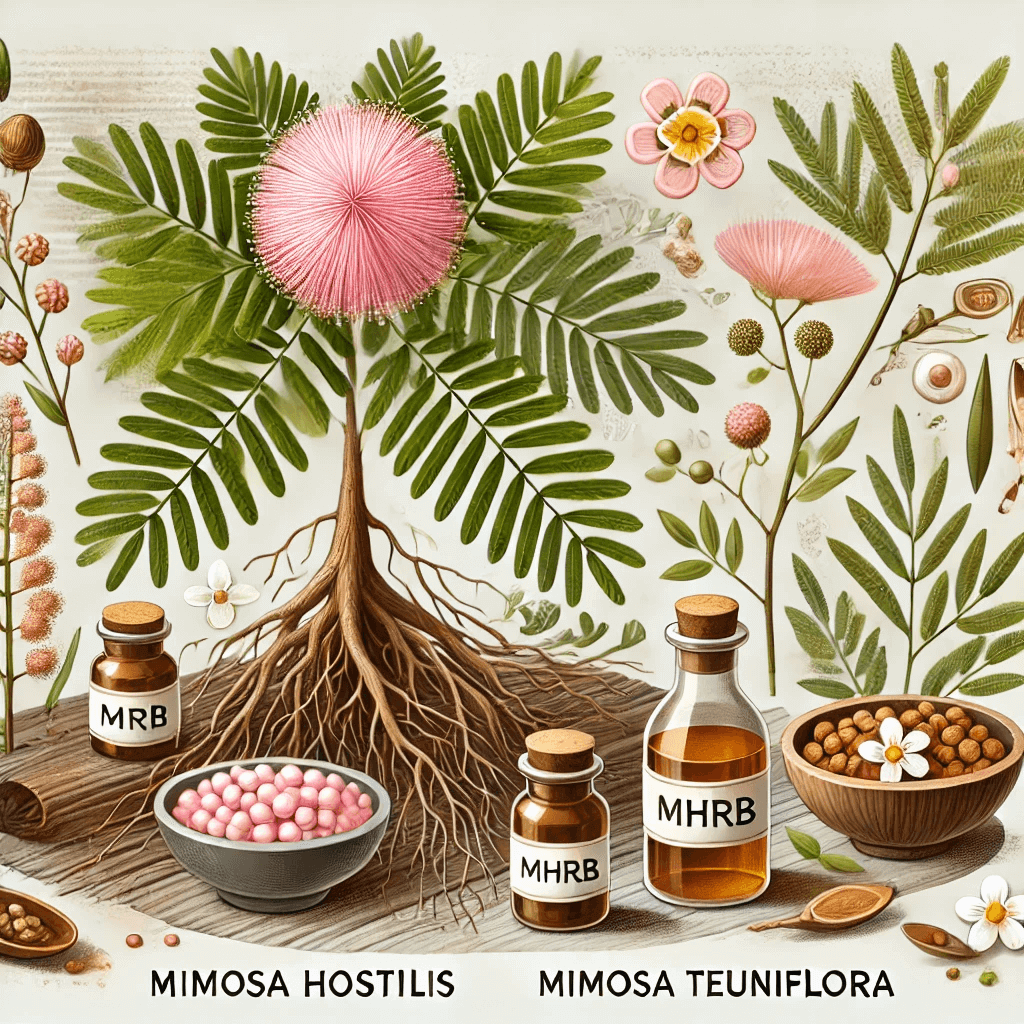
Mimosa hostilis, also known as Jurema and Tepezcohuite, is a plant with rich cultural, medicinal, and botanical significance. Understanding its various names helps uncover its diverse uses, from traditional rituals to modern skincare.
The Beautifying Bush: MHRB In Skincare and Beyond

Mimosa Hostilis Root Bark (MHRB) is a powerful botanical known for its anti-inflammatory, antioxidant, and regenerative properties. This article explores its versatile use in skincare, hair care, and the importance of ethical sourcing for sustainable beauty.
Mimosa Hostilis Root Bark: Covering an Array of Applications and Significance

Mimosa hostilis, also known as Tepezcohuite, is a versatile plant native to South America, valued for its medicinal, spiritual, and cosmetic applications. Its rich historical significance and contemporary uses highlight the importance of sustainable harvesting practices to ensure its continued availability.