
Library
Mimosa Tenuiflora: From Forest to Marketplace – A Journey of Sustainability
Embracing Ethical Sourcing
Mimosa tenuiflora, revered for centuries in traditional medicine and cultural practices across southern Mexico and South America, embodies a journey rooted in sustainability. This remarkable plant, known for its healing properties and spiritual significance, navigates a path from the forest floor to global markets with a focus on ethical sourcing and environmental stewardship.
Sustaining Nature’s Bounty
At the heart of Mimosa tenuiflora’s journey lies a commitment to sustainable harvesting practices. Indigenous communities and conscientious farmers carefully select harvesting methods that preserve the plant’s natural habitat and ensure its regenerative growth. By practicing selective harvesting and promoting reforestation efforts, they safeguard Mimosa tenuiflora for future generations.
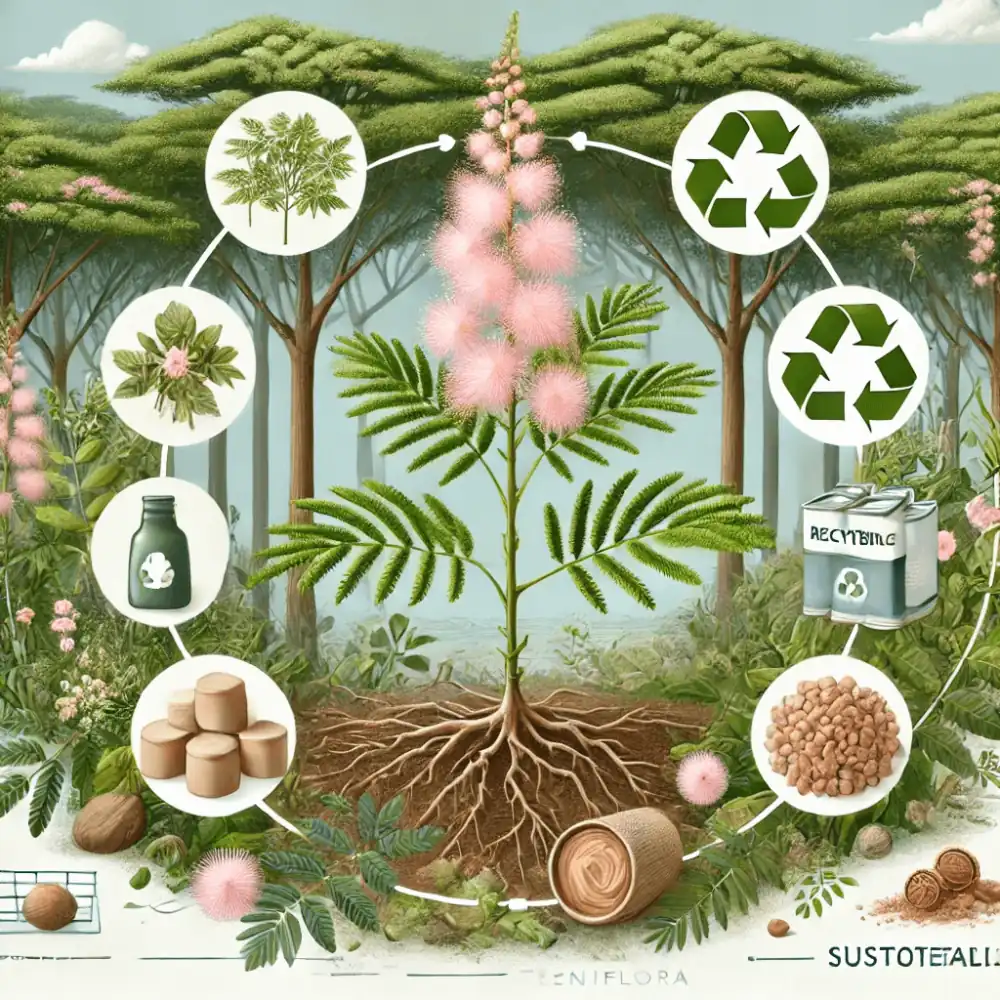
The journey of Mimosa Tenuiflora from the forest to marketplace is grounded in ethical practices that preserve its natural habitat and ensure sustainable harvesting methods.
Supporting Local Communities
The cultivation and harvest of Mimosa tenuiflora contribute significantly to local economies and community livelihoods. By partnering with indigenous groups and local farmers, sustainable sourcing initiatives empower these communities economically while fostering a deeper connection to their cultural heritage and traditional knowledge.
Transparency and Accountability
From forest to marketplace, transparency is paramount. Ethical suppliers of Mimosa tenuiflora prioritize transparency in their sourcing practices, providing consumers with clear information about where and how the plant is harvested. Certifications and partnerships with reputable organizations further validate their commitment to ethical standards and environmental conservation.
Balancing Demand with Conservation
As global interest in natural remedies and sustainable products grows, so does the demand for Mimosa tenuiflora. Responsible stakeholders understand the delicate balance between meeting market demands and conserving biodiversity. By advocating for responsible consumption and supporting ethical suppliers, consumers play a crucial role in preserving the integrity of Mimosa tenuiflora’s ecosystem.
Conclusion: A Commitment to Sustainability
The journey of Mimosa tenuiflora from forest to marketplace underscores the harmonious relationship between nature, culture, and commerce. By embracing sustainable practices, supporting local communities, and prioritizing transparency, stakeholders ensure that this botanical treasure continues to thrive, offering its healing benefits for generations to come.