
Should Everyone Take Mimosa Hostilis Daily? A Guide to Its Potential Benefits and Uses

Mimosa Hostilis, while beneficial for certain conditions like skin healing and inflammation, should be used based on individual health needs rather than as a general daily supplement. Those with chronic skin or inflammatory issues may benefit from consistent use, but for others, occasional application may be more appropriate, especially considering potential risks like allergies or unknown effects during pregnancy.
Why Now Is the Perfect Time to Enter the Niche Market of Mimosa Hostilis

Mimosa Hostilis, with its deep cultural roots and versatile applications, offers an emerging opportunity for those with a vision for natural and sustainable products. Much like the early cannabis market, this niche is ripe for innovation, with potential in industries ranging from wellness to artisanal crafts—driven by ethical sourcing and the growing consumer demand for authenticity.
Exploring the Global Market for Mimosa Hostilis Products

The global market for Mimosa Hostilis is rapidly growing due to increased demand for natural, sustainable products. Businesses that prioritize ethical sourcing and product diversification are well-positioned to succeed in this expanding market.
Sustainable Tree Farming in Brazil: The Role of Mimosa Hostilis in Combating Climate Change

Sustainable tree farming in Brazil, especially with species like Mimosa Hostilis, offers a powerful solution to the intertwined challenges of deforestation, climate change, and biodiversity loss. By promoting responsible land management and carbon sequestration, Mimosa Hostilis farming supports both the environment and local economies. As a model of sustainability, these practices not only restore degraded lands but also provide renewable resources, making them essential in the global fight against climate change and ecological degradation.
Mimosa Hostilis vs Mimosa Pudica: A Comparative Guide
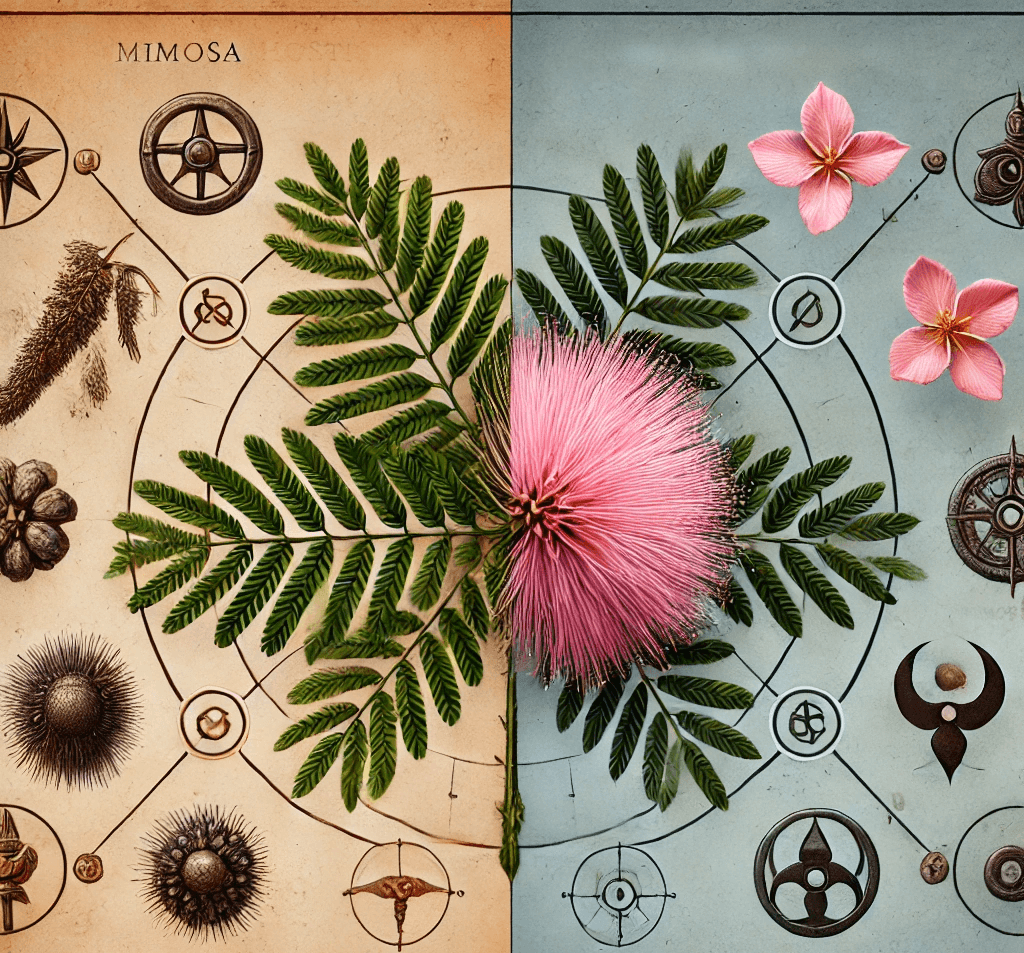
Mimosa Hostilis and Mimosa Pudica are two standout species within the Mimosa genus, each with unique qualities and uses. **Mimosa Hostilis**, also known as Jurema, is revered in South America for its role in traditional medicine and spiritual rituals, particularly for its psychoactive properties. In contrast, **Mimosa Pudica**, known for its “sensitive” leaf movements, is admired for its ornamental value and used in traditional healing systems like Ayurveda for its anti-inflammatory and antimicrobial effects. Both plants hold distinct places in cultural, medicinal, and modern contexts, reflecting the versatility of the Mimosa genus.
Mimosa Tenuiflora in Ethnobotany: Unveiling Ancient Uses and Cultural Traditions
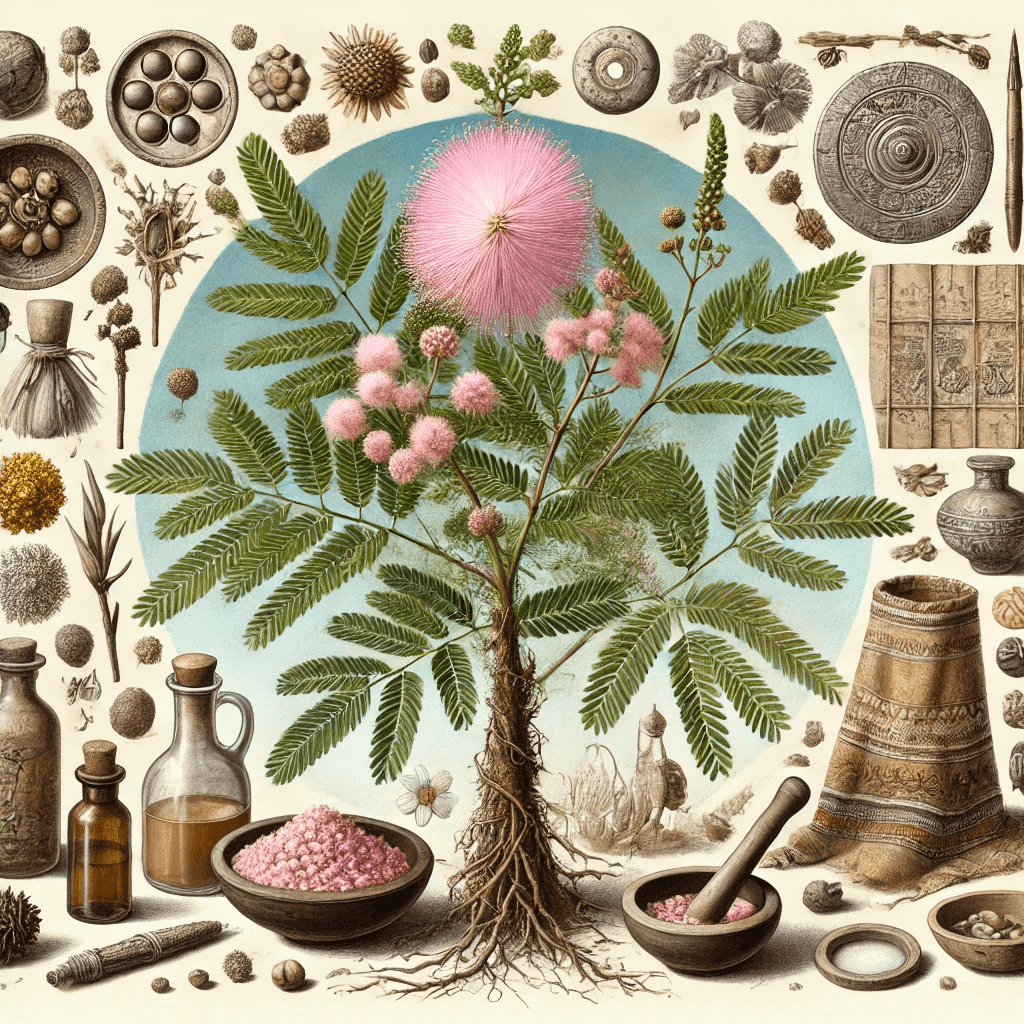
Mimosa tenuiflora, known as “Jurema” in Brazil, has long held a significant place in South American ethnobotany, woven into the spiritual and medicinal practices of indigenous cultures. Revered for its healing properties and its role in spiritual rituals, this resilient plant continues to inspire contemporary exploration and cultural appreciation, highlighting the deep connections between nature and tradition.
Investment Opportunities in the Mimosa Tenuiflora Sector

Mimosa tenuiflora, also known as Tepezcohuite, is gaining traction as a valuable investment opportunity due to its wide applications in skincare, pharmaceuticals, and traditional medicine. With growing consumer demand for natural products and sustainable practices, investing in Mimosa tenuiflora offers the potential for significant market growth while supporting ethical sourcing and local economies.
Unlocking Longevity Secrets: Exploring the Role of Mimosa Tenuiflora in Aging and Wellness

Mimosa tenuiflora, a plant revered for its traditional medicinal uses, is gaining attention for its potential to promote longevity and overall wellness. With its rich antioxidant content and bioactive compounds, it may combat oxidative stress, support cellular health, and offer anti-aging benefits, making it a promising addition to holistic health practices.
Culinary Exploration: Mimosa Tenuiflora in Traditional and Modern Cuisine

Mimosa tenuiflora, also known as “Jurema” in Brazil, has moved from its traditional medicinal and spiritual uses into the culinary world, offering unique flavors and nutritional benefits. With a rich history in indigenous dishes and modern innovations in plant-based cuisine, Mimosa tenuiflora represents a fusion of cultural heritage and contemporary gastronomy, inspiring new approaches to sustainable and nutritious food.
Mimosa Tenuiflora in Functional Foods: Innovations in Nutritional Supplements

Mimosa tenuiflora, long revered for its medicinal properties, is now making a significant impact in functional foods and nutritional supplements. With its rich array of bioactive compounds, this plant is being incorporated into innovative products aimed at enhancing immune function, promoting skin health, and supporting overall wellness, blending traditional wisdom with modern health solutions.