Mimosa Hostilis: Nature’s Secret Ingredient for Luxurious Soap

Mimosa hostilis has captivated soap makers with its skin-nurturing properties, including gentle exfoliation and antioxidants. This natural gem adds a touch of nature’s elegance to every cleansing ritual while promoting sustainable and ethical skincare practices.
Mimosa Hostilis Dyemaking: Mastering the Art of Natural Botanical Dye
In the heart of the lush South American rainforests lies a botanical marvel that transcends its medicinal and spiritual uses—Mimosa hostilis. Among its many gifts to humanity, this remarkable plant has quietly played a pivotal role in the world of natural dyes, offering artisans and communities a sustainable and vibrant source of color. Let’s embark on a journey into the fascinating artistry of Mimosa hostilis as a natural dye, exploring its rich history and unique properties.
The Art of Dyeing with Mimosa Hostilis: For centuries, indigenous communities have harnessed the dyeing potential of Mimosa hostilis, particularly in Brazil. The inner bark of the plant contains high concentrations of tannins and pigments, making it an ideal source for creating dyes. The process involves extracting these natural compounds to produce a spectrum of colors, ranging from earthy browns to rich purples.
Sustainable and Ethical Practices: Unlike synthetic dyes that often have environmental repercussions, the use of Mimosa hostilis as a natural dye aligns with sustainable and ethical practices. Harvesting the bark for dyeing purposes can be done in a way that ensures the long-term health of the plant and its ecosystems, contributing to the preservation of biodiversity.
Vibrant Hues and Color Variations: The beauty of Mimosa hostilis as a dye lies not only in its sustainability but also in the richness and depth of the colors it imparts. Artisans can achieve a diverse palette, with shades ranging from warm terracottas to deep blues, depending on the mordants and processes used in conjunction with the plant.
Textiles, Pottery, and Beyond: Mimosa hostilis has found its way into various artistic endeavors, enhancing the beauty of textiles, pottery, and other crafted items. From intricately designed fabrics to elegantly glazed ceramics, the plant’s natural dyeing properties allow for the creation of unique and visually striking pieces.
Cultural Identity and Expression: The use of Mimosa hostilis in dyeing is not merely a utilitarian practice; it’s a form of cultural expression. Indigenous communities have long used these natural dyes to imbue their creations with cultural significance, telling stories and preserving traditions through the vibrant colors of their art.
Modern Eco-Friendly Fashion: As the demand for sustainable and eco-friendly practices in the fashion industry grows, Mimosa hostilis is gaining attention for its role in natural dyeing. Designers and consumers alike are increasingly valuing materials and garments that have been colored using environmentally friendly methods, aligning with a broader movement towards conscious consumption.
In the heart of the lush South American rainforests lies a botanical marvel that transcends its medicinal and spiritual uses—Mimosa hostilis. Among its many gifts to humanity, this remarkable plant has quietly played a pivotal role in the world of natural dyes, offering artisans and communities a sustainable and vibrant source of color. Let’s embark on a journey into the fascinating artistry of Mimosa hostilis as a natural dye, exploring its rich history and unique properties.
The Art of Dyeing with Mimosa Hostilis: For centuries, indigenous communities have harnessed the dyeing potential of Mimosa hostilis, particularly in Brazil. The inner bark of the plant contains high concentrations of tannins and pigments, making it an ideal source for creating dyes. The process involves extracting these natural compounds to produce a spectrum of colors, ranging from earthy browns to rich purples.
Sustainable and Ethical Practices: Unlike synthetic dyes that often have environmental repercussions, the use of Mimosa hostilis as a natural dye aligns with sustainable and ethical practices. Harvesting the bark for dyeing purposes can be done in a way that ensures the long-term health of the plant and its ecosystems, contributing to the preservation of biodiversity.
Vibrant Hues and Color Variations: The beauty of Mimosa hostilis as a dye lies not only in its sustainability but also in the richness and depth of the colors it imparts. Artisans can achieve a diverse palette, with shades ranging from warm terracottas to deep blues, depending on the mordants and processes used in conjunction with the plant.
Textiles, Pottery, and Beyond: Mimosa hostilis has found its way into various artistic endeavors, enhancing the beauty of textiles, pottery, and other crafted items. From intricately designed fabrics to elegantly glazed ceramics, the plant’s natural dyeing properties allow for the creation of unique and visually striking pieces.
Cultural Identity and Expression: The use of Mimosa hostilis in dyeing is not merely a utilitarian practice; it’s a form of cultural expression. Indigenous communities have long used these natural dyes to imbue their creations with cultural significance, telling stories and preserving traditions through the vibrant colors of their art.
Modern Eco-Friendly Fashion: As the demand for sustainable and eco-friendly practices in the fashion industry grows, Mimosa hostilis is gaining attention for its role in natural dyeing. Designers and consumers alike are increasingly valuing materials and garments that have been colored using environmentally friendly methods, aligning with a broader movement towards conscious consumption.
Mimosa hostilis, celebrated for its natural dyeing properties, has enriched the artistic world with vibrant, sustainable colors. From textiles to pottery, this plant’s dyes preserve cultural traditions while promoting eco-friendly practices in modern fashion.
Mimosa Hostilis: A Tapestry of History Unveiled
Mimosa hostilis, revered for its medicinal, spiritual, and cultural significance, has been a staple in indigenous traditions of Central and South America. Its rich history spans healing practices, spiritual rituals, and artistic expressions, showcasing the deep bond between nature and human culture.
Exploring the Cultural Significance of Mimosa Hostilis (MHRB)
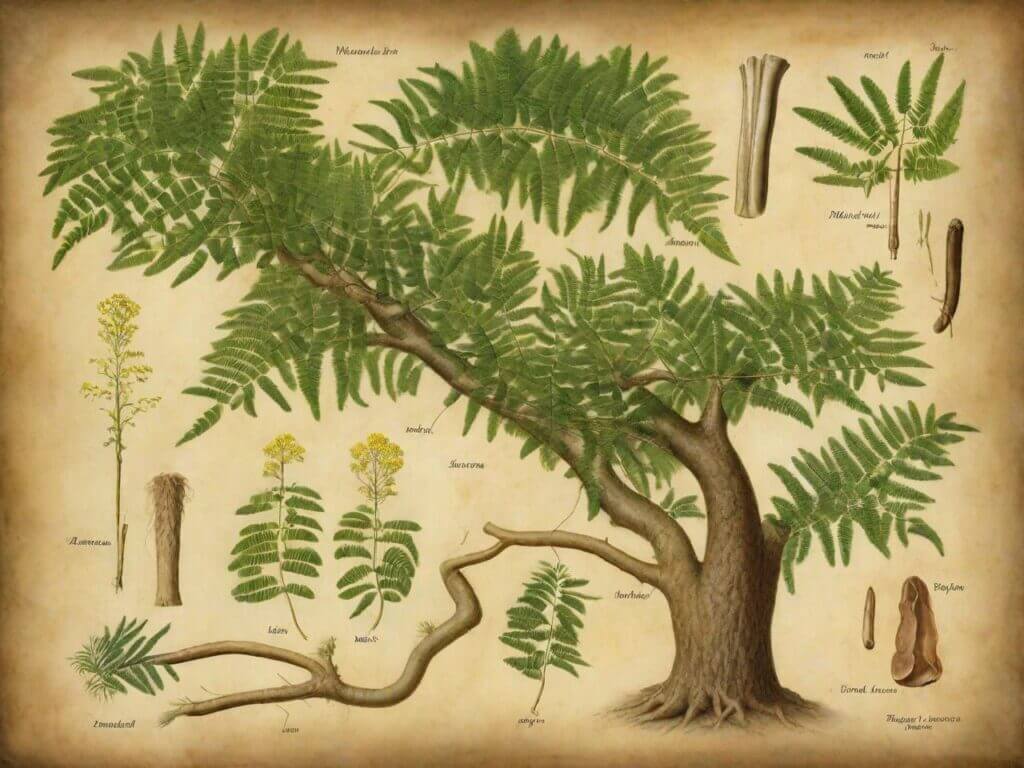
Mimosa Hostilis has deep cultural significance, especially in Mexico and Brazil, where it plays a vital role in spiritual rituals and healing practices. Its historical use reflects the profound relationship between indigenous cultures and the natural world.
Mimosa hostilis: A Brief Overview
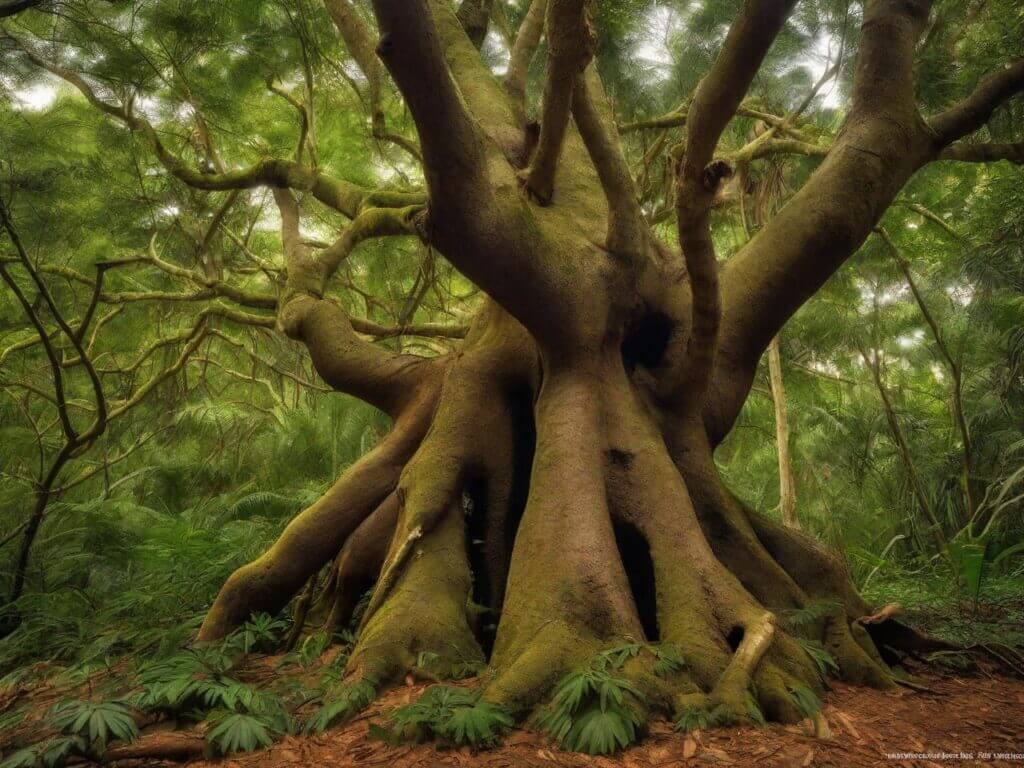
Mimosa Hostilis, known for its medicinal and ecological benefits, is culturally significant in South America. Sustainable harvesting is key to preserving this valuable plant for future use.