
Library
Why Your Jurema-Dyed Fabric Faded After One Wash (And How to Fix It)
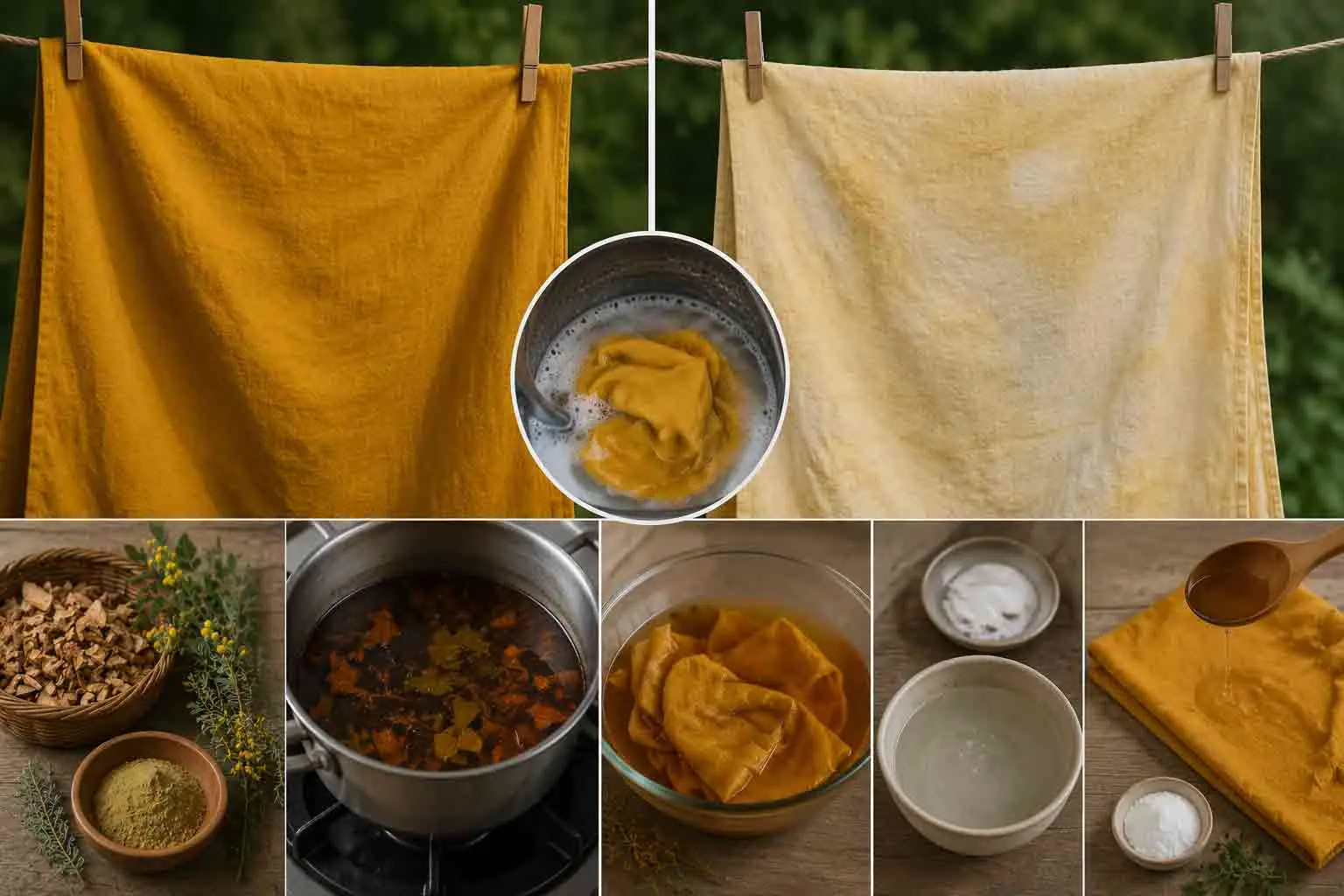
Imagine dyeing fabric with Jurema only to watch the rich, earthy color disappear after a single wash, you already know how heartbreaking that experience can be. You did everything right, or so you thought. You gathered the bark, simmered it patiently, soaked your fabric, and waited for that deep, warm tone to set. Then the washing machine happened, and suddenly your beautifully dyed cloth looked pale, washed out, and nothing like what you had worked so hard to achieve. You are not alone in this frustration, and more importantly, there is a real explanation for why this happens and a clear path to fixing it.
This article is going to walk you through everything you need to understand about Jurema as a natural dye, why fading occurs, and how to properly mordant, pre-treat, and care for your fabric so the color lasts the way it should.
Why Do People Use Jurema as a Natural Dye
Jurema, most commonly referring to Mimosa hostilis (also known as Mimosa tenuiflora), is a plant native to northeastern Brazil and parts of Central America and Mexico. Its inner root bark is particularly prized in natural dyeing communities because it produces stunning shades that range from warm pinkish-tan and terracotta to deep rust and brownish-red, depending on the mordant used and the fiber being dyed.
Natural dyers are drawn to Jurema for several reasons. It is a plant with deep cultural roots in indigenous communities, it produces unique and complex color profiles that synthetic dyes struggle to replicate, and for those pursuing sustainable or low-impact textile practices, working with plant-based dyes feels like a meaningful choice. However, Jurema is also one of those dyes that requires a more careful approach than beginners often realize, and skipping key steps almost always results in disappointing color fastness.
The Real Reason Your Jurema-Dyed Fabric Faded After One Wash
Here is the honest answer: your fabric faded because the dye did not properly bond to the fiber. Natural dyes, including those derived from Jurema bark, do not simply coat the surface of a fiber the way spray paint coats a wall. For a lasting bond to form, there needs to be a chemical bridge between the dye molecule and the fiber molecule. Without that bridge, the dye sits loosely on or near the surface of the fiber and rinses away the moment water and friction are introduced.
The Role of Tannins in Jurema Dyeing
Jurema bark is naturally high in tannins, which are a class of polyphenolic compounds that do have some affinity for protein fibers like wool and silk. This is actually one reason why some natural dyers get initial results that look promising. The tannins bind moderately well to protein fibers even without a mordant, giving the impression that the dye is holding. But when you wash the fabric, especially with any kind of soap or detergent, much of that surface-level bonding breaks down and the color bleeds out.
On cellulose fibers like cotton, linen, and hemp, the situation is even more challenging. These plant-based fibers have very little natural affinity for tannin-rich dyes without significant preparation. If you dyed cotton with Jurema and skipped the mordanting step entirely, it is almost certain that fading was going to happen regardless of how long you soaked the fabric in the dye bath.
Skipping or Underdoing the Mordanting Step
This is the most common reason Jurema-dyed fabric fades. A mordant is a metal salt or other compound that creates a chemical link between the dye and the fiber. The word itself comes from the Latin mordere, meaning “to bite,” and that is a useful way to think about it. The mordant bites into both the fiber and the dye molecule, locking them together in a bond that is much more resistant to washing, light, and friction.
Alum (potassium aluminum sulfate) is the most widely used mordant in natural dyeing and it works beautifully with Jurema on both protein and cellulose fibers when used correctly. Iron mordants shift the color toward darker, greener or grayer tones and also improve washfastness. Copper mordants can produce deeper, richer colors with good durability as well.
If you used a mordant but still experienced fading, the issue may be in how you applied it. Underdosing the mordant, not giving the fiber enough time to absorb it, or mordanting at too low a temperature are all common mistakes that lead to poor bonding.
How to Properly Mordant Fabric for Jurema Dyeing
Getting the mordanting process right is arguably more important than the dyeing step itself. Here is how to do it properly.
Choosing the Right Mordant
For most natural dyers working with Jurema, alum is the best starting point. It is relatively safe, widely available, and produces clean, warm colors. The standard ratio is around 15 to 20 percent weight of fiber (WOF), meaning if you are dyeing 100 grams of fabric, you need 15 to 20 grams of alum.
For darker, moodier results and improved washfastness, iron sulfate used as a post-mordant (applied after dyeing) is an excellent option. Use it sparingly, around 2 to 4 percent WOF, because iron can make fibers brittle if overused.
The Mordanting Process Step by Step
Start by thoroughly wetting your fiber. Dry fabric does not absorb mordant evenly, and uneven mordanting leads to patchy, unreliable color. Dissolve your alum in a small amount of hot water first before adding it to your mordant bath to ensure it is fully dissolved.
Add your pre-wetted fiber to the mordant bath and slowly raise the temperature over 30 to 45 minutes. For wool, do not exceed about 80 to 85 degrees Celsius to avoid felting. For cotton, you can go up to a full boil. Hold the temperature for at least 45 minutes to one hour to allow proper absorption. Let the fiber cool slowly in the mordant bath if possible, then wring it out gently and either proceed immediately to the dye bath or store it damp in a sealed bag in the refrigerator for use within a few days.
Preparing Cellulose Fibers for Better Dye Uptake
Cotton, linen, and hemp need an extra step that many beginners skip entirely. Because plant-based fibers lack the protein structure that helps mordants bond effectively, they benefit enormously from a tannin pre-treatment before mordanting.
Interestingly, Jurema itself is rich in tannins, so you can use a lighter, more diluted Jurema bath as your tannin soak before mordanting and dyeing. You can also use other tannin sources like oak galls, sumac, or black tea. The tannin pre-treatment creates a surface on the cotton fiber that the alum mordant can grip onto, which then allows the Jurema dye to bond far more securely.
The sequence for cotton dyeing with Jurema should be: tannin pre-treatment, then mordanting with alum, then dyeing. Skipping the tannin step on cotton is one of the biggest reasons people end up with faded results.
The Soy Milk Method for Cotton
Another highly effective technique for improving dye uptake on cellulose fibers is the soy milk treatment, sometimes called scouring with soy or soy mordanting. You soak your pre-washed cotton in a mixture of soy milk and water (roughly one part soy milk to four or five parts water), wring it out without rinsing, and allow it to dry completely. Repeat this process two or three times. The soy protein deposits on the surface of the cotton fiber create a protein-like environment that dramatically improves mordant and dye bonding. This is a completely food-safe and non-toxic approach, making it especially popular among dyers who want to avoid metal mordants entirely.
How to Build a Strong Jurema Dye Bath
Even with perfect mordanting, a weak or improperly prepared dye bath will produce pale, unstable color. Here is how to get the most out of your Jurema bark.
Extracting the Dye
Use the inner root bark if possible, as it contains significantly higher concentrations of the compounds responsible for color than the outer bark or the wood itself. Chop or break the bark into smaller pieces to increase surface area. Soak the bark in cold water overnight before cooking. This helps release the compounds more gradually and completely.
Simmer the bark (never boil aggressively) in water for one to two hours, then strain out the plant material. You are left with a concentrated dye liquor. For deeper color, you can simmer the bark a second time and combine the two extractions.
The Importance of Dye Bath Concentration
Dye concentration matters enormously for washfastness. A thin, watery dye bath might give the fiber some color initially, but the surface-level deposits will fade quickly because there simply was not enough dye present to saturate the fiber. Aim for a generous ratio of bark to water, generally at least 50 to 100 percent weight of fiber in dried bark material as a starting guideline, though more is often better when you want depth and durability.
Post-Dye Treatments That Lock in the Color
Once you have dyed your fabric, there are a few additional steps that can meaningfully improve how well the color holds over time.
Rinsing Correctly After Dyeing
Do not yank your freshly dyed fabric out of the dye bath and immediately run it under hot water. Temperature shock can stress the fiber and disrupt bonds that have not fully set yet. Instead, let the fabric cool gradually in the dye bath, then rinse in water that starts warm and gradually moves to cooler temperatures over several rinses. Rinse until the water runs clear.
Using a Fixing Rinse
A rinse with a small amount of white vinegar (for protein fibers) or a mild salt solution can help close the fiber and set the dye slightly. These are not mordants and should not be confused with them, but they do act as finishing rinses that contribute to better color retention.
Iron Afterbath for Deeper, More Durable Color
An iron afterbath is one of the most effective ways to shift and deepen Jurema-dyed colors while simultaneously improving washfastness. After dyeing and rinsing, move the still-damp fabric briefly into a very diluted iron sulfate solution (around 1 to 2 percent WOF dissolved in warm water). Leave it for just five to ten minutes, then rinse thoroughly. The iron will darken and shift the color, often producing rich, complex tones, and it improves durability significantly.
How to Wash Jurema-Dyed Fabric Without Fading It
Even perfectly dyed and mordanted fabric will fade prematurely if you wash it incorrectly. Natural dyes require gentler care than synthetic dyes, and treating your Jurema-dyed textiles like any other item of laundry is a fast way to undo all your hard work.
Always Wash in Cold Water
Heat is one of the primary enemies of natural dye fastness. Washing in warm or hot water agitates the dye-fiber bond and allows color to escape much more easily. Always wash your naturally dyed fabrics in cold or cool water only.
Use pH-Neutral or Natural Fiber-Friendly Soap
Most commercial laundry detergents are alkaline, and alkaline conditions are particularly damaging to tannin-based dyes and to the mordant-dye bond in general. Use a pH-neutral soap specifically formulated for delicate fabrics or wool, or look for natural fiber wash products. Avoid anything containing bleach, optical brighteners, or strong surfactants.
Wash Gently and Briefly
Machine washing on a gentle or delicate cycle is acceptable for some naturally dyed fabrics, but hand washing is always preferable. Keep the washing time short, avoid wringing or twisting the fabric, and handle it gently throughout. The less mechanical agitation your naturally dyed textile experiences, the better.
Dry Away From Direct Sunlight
UV light is the other major cause of natural dye fading, distinct from washing. Even a mordanted, well-dyed fabric will fade over time if left in direct sunlight. Dry your Jurema-dyed fabrics in the shade or indoors, and when storing or displaying them, keep them out of prolonged sun exposure.
How to Revive Already Faded Jurema-Dyed Fabric
If your fabric has already faded, all is not lost. You can re-dye it, and this time with the knowledge to do it properly.
Assess the Fiber First
Before re-dyeing, assess whether the fiber still has the original mordant in it from the first round. If you mordanted correctly the first time but the dye was weak, you may be able to go straight back into a stronger dye bath without re-mordanting. However, if the mordanting was also inadequate, start the entire process from scratch: clean the fiber, pre-treat with tannin if it is a cellulose fiber, re-mordant properly, and then dye with a concentrated bath.
Overdyeing for Interesting Results
If you want to add complexity rather than simply restore the original color, consider overdyeing with another natural dye on top of the existing Jurema base. Indigo over a Jurema base can produce beautiful greens and khakis. Weld or woad in combination with residual Jurema tones can yield interesting earthy olive shades. Natural dyeing rewards experimentation.
Common Mistakes to Avoid When Dyeing With Jurema
Understanding what went wrong is just as useful as knowing what to do right. The most common mistakes in Jurema dyeing include skipping the tannin pre-treatment on cotton, using too little mordant, mordanting at too low a temperature or for too short a time, using a diluted dye bath with insufficient plant material, shocking the fiber with temperature changes, and washing finished fabric in hot water or alkaline detergent.
Every single one of these mistakes compromises color fastness, and most of them are easy to avoid once you know to look for them.
Storing and Caring for Jurema-Dyed Textiles Long Term
Good care does not stop after the first wash. Storing your naturally dyed fabrics correctly will preserve their beauty for years. Keep them folded in a cool, dark place away from light and humidity. If you need to wrap them for storage, use acid-free tissue paper rather than plastic bags, which can trap moisture and cause uneven fading or even mildew. Rotate stored items periodically so that any ambient light exposure is distributed evenly rather than fading one spot repeatedly.
Conclusion
Jurema is a genuinely beautiful and rewarding natural dye, but it asks for careful preparation and respect for the process. If your Jurema-dyed fabric faded after one wash, the most likely culprits are insufficient mordanting, skipping the tannin pre-treatment on cellulose fibers, a weak dye bath, or improper washing practices afterward. The good news is that every single one of these problems is solvable. By understanding the chemistry behind why natural dyes bond to fiber, taking the time to mordant correctly, building a concentrated and well-extracted dye bath, and caring for your finished textiles with gentle, cold-water washing, you can achieve Jurema colors that are rich, complex, and genuinely durable. Natural dyeing has a learning curve, but once you get the fundamentals right, the results are unlike anything a synthetic dye can produce.