
Library
Can You Dye Synthetic Fabrics With Tepezcohuite? The Question Natural Dye Artists Need Answered
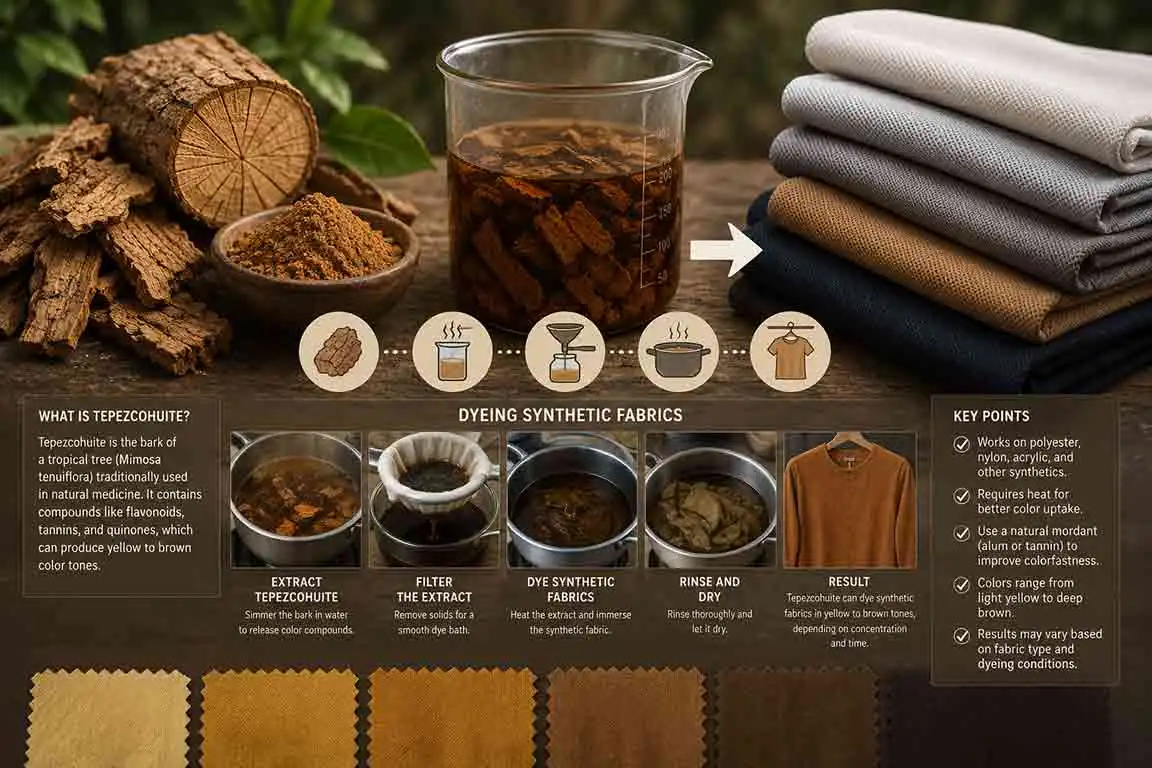
If you have spent any time in the world of natural dyeing, you have probably heard of tepezcohuite and its incredible coloring properties. This ancient bark, harvested from the Mimosa tenuiflora tree native to Mexico and Central America, has been used for centuries not just for its skin-healing benefits but also as a rich, earthy brown dye. But here is the question that keeps popping up in natural dye communities, workshops, and online forums: can you actually dye synthetic fabrics with tepezcohuite? The honest answer is more nuanced than a simple yes or no, and that is exactly what this article is going to unpack for you.
Why Do Dye Artists Love Tepezcohuite?
Before diving into the compatibility question, it helps to understand what makes tepezcohuite bark so appealing as a dye source in the first place. Tepezcohuite comes from the bark of Mimosa tenuiflora, a tree that grows abundantly in the dry forests of Mexico, Brazil, and other parts of Latin America. The bark is packed with tannins, flavonoids, and other polyphenolic compounds that give it a deep reddish-brown to dark chocolate color when extracted in water.
Natural dye artists are drawn to tepezcohuite for several reasons. First, it produces a surprisingly deep and complex color with relatively little processing. Second, it has a natural mordanting quality because of its high tannin content, which means it can bind to some fibers without requiring an additional metallic mordant. Third, it is considered a more sustainable and plant-based option compared to synthetic dyes, which aligns with the values of many fiber artists who are conscious about their environmental impact.
The color range you can achieve with tepezcohuite dye goes from warm amber and tan on lightly mordanted fibers to rich chocolate brown and even near-black on deeply mordanted ones. When you add iron as an afterbath modifier, the color can shift toward darker, cooler tones that feel almost inky. It is a versatile and exciting dye material, which is why so many artists are eager to experiment with it on all kinds of fabrics.
The Core Question: Does Tepezcohuite Work on Synthetic Fabrics?
Here is where things get genuinely interesting. The short answer is that tepezcohuite, like most natural dyes, does not bond effectively to most synthetic fabrics under standard dyeing conditions. But understanding why this is the case, and what exceptions or workarounds might exist, is where the real knowledge lives.
Natural dyes work by forming chemical bonds with the fiber they are applied to. These bonds can be ionic, covalent, or hydrogen-based depending on the dye and the fiber. Protein fibers like wool and silk are naturally rich in amino acids that love to attract and hold onto polyphenolic compounds like those found in tepezcohuite. Cellulose fibers like cotton and linen can also take up tannin-based dyes reasonably well, especially when a mordant like alum is used to create a bridging effect between the fiber and the dye molecule.
Synthetic fabrics, on the other hand, are engineered materials. Polyester, nylon, acrylic, and spandex are made from petrochemical polymers that are fundamentally different at a molecular level from natural fibers. They have very few of the reactive sites that natural dyes need to grab onto. This is why you can boil a piece of polyester in a rich tepezcohuite bath and pull it out looking almost exactly the same as when it went in.
Why Natural Dyes Struggle With Synthetic Fibers
The Molecular Incompatibility Problem
To understand why tepezcohuite dye fails on synthetics, you need to think about chemistry at a basic level. Polyester, for example, is made from polyethylene terephthalate, a polymer chain that is extremely hydrophobic. It repels water, and because most natural dye processes are water-based, the dye simply cannot penetrate the fiber structure in any meaningful way. Even when some surface color appears during the dyeing process, it washes out almost completely once the fabric goes through a rinse cycle.
Nylon is slightly more receptive than polyester because it has some amide groups in its polymer chain that can interact with certain dye classes. This is why acid dyes, which are synthetic but designed specifically for protein and nylon fibers, work beautifully on nylon. Tepezcohuite, however, is not an acid dye, and its large polyphenolic molecules are not structured to exploit nylon’s limited dye sites in the same efficient way.
The Role of Mordants and Their Limitations
Mordants are the great allies of natural dyers. Compounds like alum, iron, copper, and tannin act as bridges between the dye and the fiber, helping color molecules bind more permanently. When dyeing cotton with tepezcohuite, for instance, a pre-mordant with alum sulfate makes a noticeable difference in how much color the fiber picks up and how well it holds after washing.
However, mordants have their limits when it comes to synthetics. If the fiber itself lacks the reactive chemistry to form bonds with the mordant, the mordant cannot do its job. You end up with a mordant that sits on the surface of the fabric rather than penetrating and reacting with it, and the dye molecules then sit loosely on top of that. The result is color that rubs off, fades rapidly, or disappears in the wash. For most synthetic fabrics, this is exactly what happens.
Are There Any Synthetic Fabrics That Accept Tepezcohuite Better?
Nylon as a Partial Exception
If you are determined to experiment with tepezcohuite on synthetic fabrics, nylon is your best bet. As mentioned earlier, nylon has amide linkages in its structure that give it some affinity for certain dye classes. Some natural dye practitioners have reported getting a light but perceptible stain on nylon using tannin-rich dyes, including tepezcohuite. The color is usually pale and the wash fastness is still not great, but it is more than you will get on polyester.
To maximize your chances with nylon, try using a tannic acid pre-mordant, which is essentially a very concentrated tannin bath that helps condition the fiber surface before introducing the tepezcohuite. Some dyers also experiment with slightly higher temperatures and longer soak times to encourage what little uptake is possible. Do not expect miracles, but you may get a subtle, antique-looking tone that suits certain artistic projects.
Semi-Synthetic Fabrics: A Middle Ground
It is worth noting that semi-synthetic or regenerated fibers like viscose rayon, bamboo fabric, modal, and Tencel (lyocell) behave much more like natural cellulose fibers than like true synthetics. These materials are made from plant cellulose that has been dissolved and re-extruded into fiber form. Because they retain a cellulosic molecular structure, they have many of the same dye sites as cotton and linen.
Tepezcohuite dyes viscose rayon and Tencel quite effectively, especially when a mordant is used. If you have been told that tepezcohuite does not work on synthetic fabrics and you have been avoiding these materials as a result, you may want to reconsider. Viscose and Tencel can produce beautiful, warm brown tones with tepezcohuite and hold the color reasonably well after washing.
How to Get the Best Results From Tepezcohuite on Receptive Fabrics
Preparing the Fiber Properly
Whether you are working with wool, silk, cotton, or a semi-synthetic like Tencel, fiber preparation is everything in natural dyeing. Start by washing your fabric thoroughly with a pH-neutral soap to remove any finishes, oils, or sizing that might block dye uptake. This step is called scouring, and skipping it is one of the most common mistakes beginners make.
After scouring, mordant your fiber according to the material type. For protein fibers, alum potassium sulfate at around 15 to 20 percent weight of fiber (WOF) is a classic and reliable choice. For cellulose fibers, a tannin pre-mordant followed by alum, or the use of a soy milk treatment, can dramatically improve color uptake with tepezcohuite.
Preparing the Tepezcohuite Dye Bath
Creating a strong tepezcohuite dye bath starts with the bark itself. You can use powdered tepezcohuite bark, which is easier to work with, or the raw bark if you can source it. Place the bark material in a pot of cold water, bring it slowly to a simmer, and let it extract for at least an hour. The water will turn a rich reddish-brown. Strain out the plant material and you have your dye liquor.
The ratio of dye material to fiber will influence the depth of color. A good starting point is equal weights of dye material and dry fiber, but you can go higher for a darker result. Add your mordanted, pre-wetted fiber to the warm dye bath and raise the temperature slowly. For wool, keep the temperature below 82 degrees Celsius to avoid felting. For cotton and Tencel, you can go slightly higher.
Modifying the Color With Iron and Other Afterbaths
One of the most exciting things about tepezcohuite as a natural dye is how responsive it is to pH and mineral modifiers. Adding an iron afterbath, made by dissolving ferrous sulfate in warm water, will shift the warm brown tones toward deeper, grayer, and sometimes almost khaki shades. This is called saddening, and it can produce very sophisticated, complex colors.
A small amount of soda ash or baking soda dissolved in water and used as a brief afterbath can shift the color toward more reddish or orange-brown tones by raising the pH. Vinegar, which lowers pH, tends to brighten and warm the color slightly. These modifiers give you a wide palette from a single dye plant, which is part of what makes tepezcohuite so beloved by experimental natural dyers.
What Professional Dyers Say About Tepezcohuite and Synthetics
The consensus among experienced natural dye practitioners is clear: tepezcohuite is a wonderful dye for natural and semi-synthetic fibers, but it is not a practical solution for true synthetics like polyester or acrylic. This does not mean the experiments are not worth doing for artistic or educational purposes, but anyone expecting production-level color fastness on polyester with a plant-based dye will be disappointed by the results.
Some artists have explored using discharge dyeing as a creative workaround, where they dye a fabric with a synthetic dye first and then use tepezcohuite as a surface treatment or overprint for texture and visual layering. This is more of an artistic technique than a true dyeing process, but it speaks to the creative spirit of the natural dye community and the desire to push boundaries.
The Environmental Argument for Sticking to Natural Fibers
If you are drawn to tepezcohuite as a natural dye, there is a good chance that environmental values are part of your motivation. It is worth pointing out that pairing a natural, plant-based dye with synthetic, petroleum-based fibers is somewhat contradictory from a sustainability standpoint. Synthetic fibers shed microplastics when washed, take hundreds of years to break down, and are produced through energy-intensive industrial processes.
Choosing to dye natural and semi-synthetic fibers with tepezcohuite creates a much more cohesive and genuinely sustainable approach to textile creation. Wool mordanted with alum and dyed with tepezcohuite produces a fiber that is fully biodegradable and colored with a plant extract that has been used safely for generations. That is a story worth telling, and it is a product worth making.
Common Mistakes When Experimenting With Tepezcohuite Dye
Skipping the Mordant on Cellulose Fibers
One of the biggest frustrations dyers face with tepezcohuite on cotton or linen is poor wash fastness. The culprit is almost always an inadequate mordant. While tepezcohuite’s high tannin content gives it some self-mordanting ability on protein fibers, cellulose fibers need a proper mordant treatment to lock in the color. Skipping this step leads to beautiful color in the pot that fades badly after the first wash.
Using Hard Water
Hard water, which is water high in calcium and magnesium minerals, can react with tannins in the tepezcohuite dye bath and cause the color to shift or become muddy. If you are having trouble getting clear, vibrant results, try using rainwater or distilled water for your dye process. The difference can be striking.
Overheating Protein Fibers
Wool is incredibly responsive to tepezcohuite dye, but it is also sensitive to heat and agitation. Raising the temperature too quickly or too high, or stirring the fiber too vigorously, will cause wool to felt and shrink. Always move slowly, use gentle heat, and handle your wool with care in the dye bath.
Conclusion
Can you dye synthetic fabrics with tepezcohuite? Technically you can try, but in practice, true synthetic fabrics like polyester, acrylic, and spandex will not accept tepezcohuite dye in any meaningful or lasting way. The molecular structure of synthetic fibers simply does not support the kind of bonding that plant-based dyes like tepezcohuite require. Nylon sits in a slightly better position due to its amide groups, and semi-synthetics like viscose rayon and Tencel can actually produce beautiful results because they retain a cellulosic structure.
For natural dye artists, the takeaway is this: lean into the fibers that love tepezcohuite. Wool, silk, cotton, linen, and Tencel all have the chemistry to work beautifully with this remarkable bark dye. Invest in proper mordanting, take your time with the dye bath, and explore the color-shifting magic of iron and pH modifiers. Tepezcohuite is a genuinely exciting natural dye material with deep cultural roots and a rich palette to offer. Pair it with the right fibers and you will create textiles that are not just beautiful but meaningful.