Mimosa Hostilis, widely known as Jurema Preta or Tepezcohuite, has earned a legendary reputation among artisans for its exceptional performance as a natural dye. For centuries, this remarkable plant has been valued not only for its cultural and medicinal relevance, but also for its ability to produce rich, enduring colors that outperform many modern alternatives. Today, as sustainability becomes a central concern in creative industries, Mimosa Hostilis is emerging as the definitive choice for DIY leather workers and textile artists seeking quality, longevity, and environmental responsibility in a single material.
Natural dyeing is no longer a niche practice. Artists, designers, and small-scale manufacturers are actively moving away from synthetic dyes due to their environmental impact, health risks, and lack of depth in coloration. Mimosa Hostilis answers all these concerns with authority. Its root bark delivers deep, organic hues, while its tannin content provides functional benefits that synthetic dyes simply cannot replicate.
The Science Behind Mimosa Hostilis Root Bark Dye
At the core of Mimosa Hostilis’ dyeing power lies its exceptionally high tannin concentration. Tannins are natural polyphenols that bind strongly to fibers, making them ideal for both dyeing and tanning processes. This unique chemical composition allows Mimosa Hostilis to penetrate deeply into leather and textile fibers, resulting in colors that are not only visually striking but also structurally integrated into the material.
When used correctly, Mimosa Hostilis root bark powder produces tones that range from warm reddish browns and terracotta shades to deep purples and smoky charcoals, depending on mordants and processing techniques. Unlike surface-level dyes, these colors become part of the fiber itself, significantly improving wash fastness, light resistance, and aging characteristics.
Rich, Vibrant, and Long-Lasting Natural Colors
One of the most compelling reasons artists choose Mimosa Hostilis is the depth and complexity of its color palette. The hues derived from this plant are earthy, nuanced, and alive in a way synthetic dyes struggle to imitate. Leather dyed with Mimosa Hostilis develops a natural patina over time, enhancing its character rather than degrading its appearance.
Textile artists working with cotton, wool, silk, or linen benefit from the dye’s ability to produce even saturation and consistent tone. With proper preparation, fabrics absorb the pigment smoothly, creating results that look refined, professional, and timeless. These qualities make Mimosa Hostilis ideal for high-end fashion pieces, artisanal garments, decorative textiles, and heritage restoration projects.
Eco-Friendly Dyeing for Responsible Creators
Sustainability is no longer optional in modern craftsmanship, and Mimosa Hostilis aligns seamlessly with eco-conscious values. The plant is typically harvested from regions where it grows abundantly, particularly in northeastern Brazil, using methods that allow the tree to regenerate naturally. This ensures a renewable supply without contributing to deforestation or ecological imbalance.
Unlike chemical dyes that pollute waterways and introduce toxins into ecosystems, Mimosa Hostilis dye is biodegradable and environmentally neutral. Wastewater from natural dye baths can be safely neutralized and disposed of without long-term harm, making it suitable for home studios and small workshops alike. For artists committed to reducing their environmental footprint, this alone positions Mimosa Hostilis as a superior alternative.
Natural Tanning and Dyeing in a Single Process
For leather artists, Mimosa Hostilis offers a rare and valuable advantage: the ability to tan and dye leather simultaneously. The tannins present in the root bark naturally stabilize animal hides, transforming raw or vegetable-tanned leather into a durable, supple material with a rich, uniform color.
This dual functionality simplifies workflows, reduces reliance on chemical tanning agents, and produces leather that feels organic, breathable, and strong. Artisans creating belts, bags, wallets, footwear, and jackets benefit from a streamlined process that enhances both aesthetics and structural integrity. Over time, Mimosa Hostilis–treated leather develops a graceful aging pattern that synthetic treatments cannot reproduce.
Non-Toxic and Safe for Home-Based Artists
Health and safety are critical considerations, especially for DIY artists working from home. Synthetic dyes often release harmful fumes, require protective equipment, and pose long-term health risks with repeated exposure. Mimosa Hostilis stands in sharp contrast as a non-toxic, plant-based dye that can be handled safely with minimal precautions.
This makes it particularly appealing to independent creators, small businesses, and educational workshops. The absence of harsh chemicals allows artists to focus on creativity rather than containment, while still achieving professional-grade results. Parents, educators, and community artists also appreciate its suitability for shared spaces and learning environments.
Ease of Use for Beginners and Professionals Alike
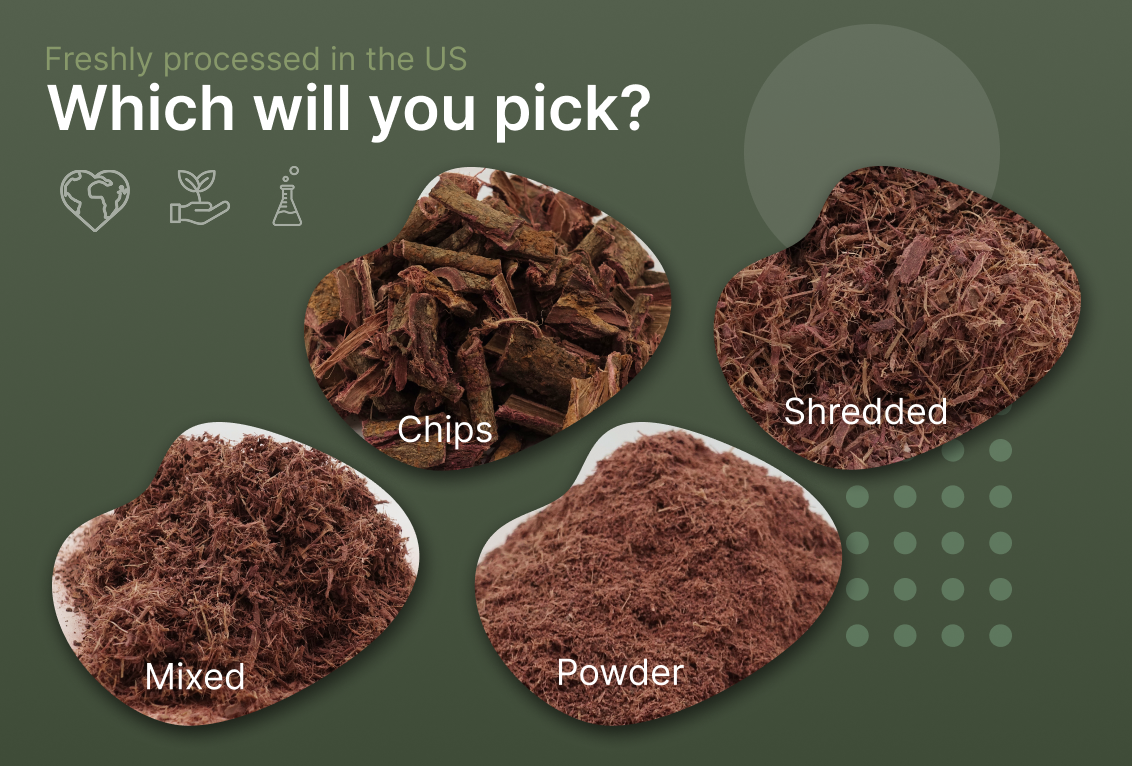
Despite its powerful results, Mimosa Hostilis is remarkably accessible. The root bark can be processed into a fine powder that dissolves easily in water, making it adaptable to a wide range of dyeing techniques. Whether used in immersion dye baths, surface applications, or experimental mixed-media processes, the material responds predictably and consistently.
Beginners appreciate the forgiving nature of the dye, while experienced artisans value the level of control it offers. Adjusting concentration, temperature, and mordants allows for endless variation, ensuring that no two projects ever look exactly the same. This versatility makes Mimosa Hostilis suitable for everything from small textile accents to large-scale leather garments, including fur-lined jackets and custom apparel.
Cultural and Historical Depth That Adds Meaning
Beyond its technical advantages, Mimosa Hostilis carries profound cultural and historical significance. Indigenous communities in South America have revered this plant for generations, using it in spiritual practices, traditional medicine, and ceremonial contexts. Incorporating Mimosa Hostilis into modern creative work adds a layer of narrative and respect for ancestral knowledge.
For artists who value storytelling and authenticity, this heritage transforms materials into meaningful components of expression. Each dyed piece becomes more than an object; it becomes a continuation of a living tradition rooted in harmony with nature.
Why Mimosa Hostilis Outperforms Synthetic Dyes
Synthetic dyes may offer convenience, but they lack the soul, sustainability, and performance of Mimosa Hostilis. Chemical dyes often fade unevenly, weaken fibers over time, and introduce environmental and health concerns that conflict with modern ethical standards. In contrast, Mimosa Hostilis delivers durability, beauty, and responsibility in equal measure.
Artists seeking to distinguish their work in a crowded market find that natural dyes create a visual and tactile difference customers can immediately recognize. The authenticity of naturally dyed fur leather jacket and textiles resonates strongly with conscious consumers who value craftsmanship and environmental stewardship.
Conclusion: The Ultimate Natural Dye for Sustainable Art
Mimosa Hostilis is not merely a dye; it is a complete solution for artists who demand excellence without compromise. Its vibrant, long-lasting colors, eco-friendly harvesting, natural tanning properties, and safe handling make it an unparalleled choice for leather and textile applications. From small DIY projects to professional-grade creations, Mimosa Hostilis empowers artists to produce work that is beautiful, meaningful, and sustainable.
As the creative world continues to shift toward responsible practices, Mimosa Hostilis stands firmly at the forefront, proving that tradition and innovation can coexist in perfect balance.
Frequently Asked Questions
1. What makes Mimosa Hostilis a superior natural dye compared to other plant-based dyes?
Mimosa Hostilis stands out because of its exceptionally high tannin content, which allows the dye to bond deeply with fibers. This results in richer, more vibrant colors that are highly resistant to fading. Unlike many other plant dyes, it also offers functional benefits such as natural leather tanning, making it both aesthetically and technically superior.
2. Can Mimosa Hostilis be used on both textiles and leather?
Yes, Mimosa Hostilis is highly versatile. It works effectively on natural textiles like cotton, wool, silk, and linen, while also being widely used by leather artisans. Its natural tannins make it especially valuable for leather, as it can dye and condition the material simultaneously.
3. Is Mimosa Hostilis dye safe for home and DIY use?
Mimosa Hostilis is considered non-toxic and much safer than synthetic dyes. It does not release harmful fumes and does not require industrial safety equipment, making it suitable for home studios, small workshops, and DIY projects when basic handling precautions are followed.
4. How sustainable is Mimosa Hostilis as a dye source?
When sourced responsibly, Mimosa Hostilis is a sustainable and eco-friendly material. The plant regenerates naturally, and ethical harvesting practices focus on maintaining ecological balance. Additionally, the dyeing process produces biodegradable waste, reducing environmental impact.
5. What color range can artists expect from Mimosa Hostilis dye?
Mimosa Hostilis typically produces earthy, warm tones such as reddish browns, terracotta, deep violets, and purplish hues. The final color can vary depending on factors like mordants, fiber type, water composition, and dyeing technique, giving artists creative flexibility and unique results.