
Library
Dyeing Paper, Leather, and Wood With Jurema Bark — What Actually Takes the Color
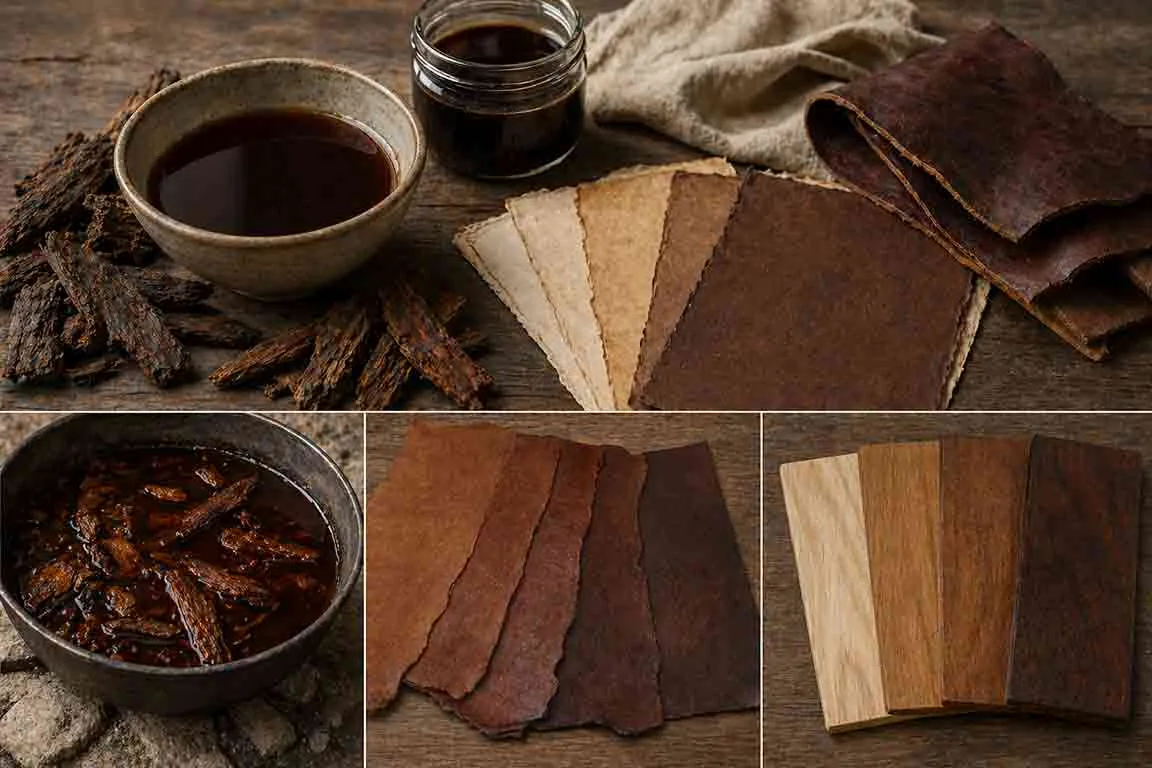
Jurema bark has been quietly sitting at the intersection of traditional craft and natural dyeing for centuries, yet most modern crafters have never experimented with it. If you have been searching for a deeply pigmented, tannin-rich natural dye that works across multiple materials, Jurema bark might be exactly what you need. This article walks you through everything you need to know about dyeing paper, leather, and wood using Jurema bark, and more importantly, which of these materials actually absorbs the color well and why.
Why Jurema Bark Work as a Dye?
Jurema, scientifically known as Mimosa hostilis (also called Mimosa tenuiflora), is a thorny tree native to northeastern Brazil and parts of Mexico. It grows in semi-arid environments and has long been used by indigenous communities for its medicinal, spiritual, and practical properties. The inner root bark is the most commonly discussed part of the plant, but the outer bark of the trunk and branches also contains powerful compounds that make it an exceptional natural dye.
The reason Jurema bark dyes so effectively is its exceptionally high tannin content. Tannins are polyphenolic compounds that bind strongly to protein-based fibers and surfaces. They create a chemical bond rather than simply coating a surface, which is why dyes derived from tannin-rich plants tend to be far more colorfast than dyes made from plants with lower tannin concentrations. Jurema bark also contains flavonoids and other phenolic compounds that contribute to its rich reddish-brown to dark mahogany color profile.
The Color Range You Can Expect
When working with Jurema bark as a dye, the color you get is not a flat, predictable hue. Depending on your mordant, your water chemistry, and the material you are dyeing, you can produce everything from warm golden tans to deep brick reds, rich earthy browns, and near-black mahogany tones. Adding an iron mordant pushes the color significantly darker and greener. Alum mordant tends to brighten the reds and bring out warmth. No mordant at all on a tannin-loving surface like leather or wood still produces a beautiful, long-lasting result.
Dyeing Paper With Jurema Bark
Paper is one of the most satisfying materials to dye with Jurema bark because the transformation is immediate and dramatic. That said, not all paper takes the color equally well, and understanding the structure of paper helps you predict your results.
What Kind of Paper Works Best?
Handmade papers, watercolor papers, and any paper that is uncoated and absorbent will take Jurema bark dye beautifully. The more porous the paper, the deeper the penetration. Commercially coated papers, glossy stock, and most printer papers have a clay coating or sizing that creates a barrier between the dye and the paper fibers, which means the color sits on the surface and wipes off easily instead of bonding with the material.
Cotton rag paper is particularly receptive to Jurema bark because cotton fibers are cellulose-based and, while they do not bond to tannins the same way proteins do, the tannin in Jurema bark acts as a mordant itself. This means you do not necessarily need a separate mordanting step when dyeing uncoated cotton or linen paper. The tannin grabs the fiber and holds.
How to Dye Paper With Jurema Bark
Start by simmering a generous amount of dried Jurema bark in water for at least 45 minutes to an hour. The water should turn a rich reddish-brown. Strain out the bark material completely because any bark fragments left in the dye bath can leave uneven marks on your paper. Allow the dye bath to cool to a warm but not boiling temperature before submerging your paper.
Submerge the paper gently and allow it to soak. Thinner papers may only need 10 to 15 minutes. Thicker watercolor paper or handmade sheets benefit from soaking for 30 minutes or longer. Lift the paper carefully because wet paper tears easily, and lay it flat to dry on a non-reactive surface. The color will deepen slightly as it dries.
For a more controlled application, you can also brush the Jurema bark dye onto dry paper using a wide, flat brush. This technique lets you create gradients, textures, and layered effects that are impossible to achieve through immersion alone.
Dyeing Leather With Jurema Bark
Leather is arguably where Jurema bark truly shines as a dye. The reason is simple: leather is a protein-based material, and tannins have a profound chemical affinity for proteins. Vegetable-tanned leather in particular is already processed using tannins, which means its structure is essentially pre-primed to accept more tannin-rich compounds.
Vegetable-Tanned vs. Chrome-Tanned Leather
This distinction matters enormously when dyeing with natural bark dyes. Vegetable-tanned leather, often called veg-tan, is processed using plant-derived tannins and remains somewhat porous and reactive. When you apply a Jurema bark dye to veg-tan leather, the tannins in the bark bond with the existing tannin-collagen matrix in the leather, creating a deep, lasting color that penetrates rather than just coating the surface.
Chrome-tanned leather is processed using chromium salts rather than plant tannins, and its surface chemistry is fundamentally different. Jurema bark dye will still stain chrome-tanned leather, but the result is less colorfast, less deep, and more prone to rubbing off over time. If you are committed to using Jurema bark on chrome-tanned leather, applying a tannic acid pre-treatment before the dye bath can dramatically improve absorption.
Step-by-Step Leather Dyeing Process
Prepare your Jurema bark dye bath as described earlier, simmering the bark for a full hour to extract maximum color. Strain thoroughly. For leather, the dye bath should be warm but not hot because excessive heat can dry out and stiffen leather fibers, making the final piece brittle.
Dampen the leather slightly before introducing it to the dye bath. Dry leather tends to absorb dye unevenly, creating blotchy results. A light misting with water opens the pores and allows more uniform penetration. Submerge the leather in the dye bath and check the color every 10 to 15 minutes. Jurema bark dye develops progressively, so patience pays off here.
Once you achieve the desired depth of color, remove the leather and allow it to dry slowly at room temperature. Avoid direct sunlight during drying as this can cause uneven fading. After drying, apply a leather conditioner to restore oils that were displaced during the dyeing process. This step is not optional if you want your dyed leather to remain supple and crack-free.
Mordanting Leather for Richer Color
Because leather is protein-based, it bonds with tannins without requiring a traditional mordant. However, using an alum mordant before the Jurema bark dye bath can intensify the red tones and improve overall vibrancy. An iron mordant solution applied after dyeing will shift the color toward darker, greener browns, a technique called “saddening” in traditional dyeing practice.
Dyeing Wood With Jurema Bark
Wood dyeing is a slightly different challenge because wood is neither a protein nor a simple cellulose fiber. It is a complex composite of cellulose, hemicellulose, and lignin, and different wood species respond to natural dyes in dramatically different ways.
Which Woods Absorb Jurema Bark Dye Best?
Open-grained, porous woods like oak, ash, and elm absorb Jurema bark dye most readily. Oak is particularly interesting because it already contains significant natural tannin, which gives the wood a pre-existing chemical compatibility with the tannins in the bark dye. When you apply Jurema bark dye to oak, the color penetrates deeply and bonds with the existing tannin structure, producing a rich, consistent tone.
Close-grained woods like maple, cherry, and birch are more resistant. They absorb dye more slowly and the color tends to stay closer to the surface. This is not necessarily a bad result because the color can still be attractive and durable, but it will be lighter and may require multiple applications to achieve depth.
How to Apply Jurema Bark Dye to Wood
Sand your wood piece to at least 220 grit and remove all dust. Any finish, sealer, or oil already on the wood will block penetration, so you need to start with raw, unfinished wood. Prepare your concentrated Jurema bark dye bath and allow it to cool to room temperature before application.
Apply the dye generously using a foam brush, sponge, or cloth. Work with the grain and apply in long, even strokes. Allow the first coat to penetrate for 10 to 15 minutes, then wipe away any excess before it dries on the surface. Allow the wood to dry fully between coats. Three to four coats are typically needed to achieve a deep, saturated color on most wood species.
After your final coat is fully dry, lightly sand with 400 grit sandpaper to smooth any grain that has been raised by the water in the dye bath. Then apply your preferred finish, whether that is oil, wax, or varnish. The finish will lock in the color and protect it from wear.
Using Iron Water to Deepen Wood Color
One of the most effective techniques for intensifying Jurema bark dye on wood is applying an iron mordant solution afterward. Iron water, made by soaking steel wool in a solution of water and white vinegar for several days, reacts with the tannins in the Jurema bark dye to produce a dramatic color shift toward gray-black or dark brown. This technique is essentially what happens naturally when iron-rich nails corrode in contact with oak, producing those characteristic dark stains. You are simply controlling the process intentionally.
Comparing Results Across Materials
Which Material Takes the Color Most Deeply?
Based on the chemistry at play, vegetable-tanned leather takes Jurema bark dye the most deeply and durably of the three materials. Its protein structure and existing tannin content create an almost ideal environment for tannin-based dyes. The bond formed is genuinely molecular rather than superficial.
Uncoated, porous paper takes the color very well visually, and the results are beautiful, but the bond is not as chemically robust as what happens with leather. Paper dyed with Jurema bark can still fade over time with light exposure.
Wood sits in the middle ground depending on the species. Oak and other tannin-rich woods can achieve results that rival leather in terms of permanence, particularly when combined with an iron mordant treatment.
Colorfastness Across All Three Materials
Colorfastness refers to how well a dye resists fading from light, washing, and abrasion. Jurema bark dye is relatively colorfast across all three materials compared to many other natural dyes, largely because of its high tannin content. That said, no natural dye achieves the absolute light-fastness of synthetic dyes. For paper and leather pieces that will be displayed in natural light, a UV-protective finish or display behind UV-filtering glass is a worthwhile precaution.
Tips for Getting the Best Results With Jurema Bark Dye
Always use non-reactive equipment when making your dye bath. Stainless steel, glass, and enamel pots are good choices. Aluminum and copper pots will introduce their own metallic ions into the dye bath and unpredictably alter the color. Use soft or filtered water if possible because hard water with high mineral content can muddy the color and interfere with the tannin-fiber bond.
Consistency in your process matters. Keep notes on the ratio of bark to water, the simmering time, and the mordants used so that you can reproduce a result you love or troubleshoot one that did not meet your expectations.
Store unused Jurema bark dye in a sealed glass container in a cool, dark location. It will keep for several days to a week before beginning to ferment or lose potency.
Is Jurema Bark Dye Sustainable and Ethical?
This is a question worth taking seriously. Jurema is deeply significant to indigenous communities in Brazil and holds cultural and spiritual importance that goes beyond its practical uses. Sourcing Jurema bark responsibly means purchasing from suppliers who work directly with communities that grow and harvest it sustainably rather than stripping wild trees. Look for suppliers who provide transparency about their sourcing practices and who support fair compensation for the communities involved.
Using smaller quantities and extracting maximum color through thorough simmering also minimizes waste and reduces the demand pressure on wild or cultivated Jurema populations.
Conclusion
Dyeing paper, leather, and wood with Jurema bark is one of those practices that rewards curiosity and patience in equal measure. The high tannin content of the bark makes it a remarkably effective natural dye across all three materials, though each surface presents its own opportunities and challenges. Vegetable-tanned leather absorbs the color most deeply and permanently due to the protein-tannin affinity. Uncoated paper transforms beautifully and quickly. Wood, particularly open-grained species like oak, responds powerfully especially when combined with iron mordant techniques. Whether you are a bookbinder, a leatherworker, a furniture maker, or simply someone drawn to the richness of natural color, Jurema bark dye offers a distinctive, historically grounded palette that synthetic dyes simply cannot replicate.