How to Germinate Mimosa Hostilis Seeds Successfully (Step-by-Step Guide)

Germinating Mimosa hostilis seeds successfully requires precision, patience, and a clear understanding of the plant’s natural growth cycle. Also known botanically as Mimosa tenuiflora, this resilient tree is native to regions of Brazil, Mexico, and parts of Central America, where it thrives in warm, semi-arid climates. Proper germination techniques significantly improve sprouting rates and ensure […]
What is the Difference Between Mimosa Hostilis and Mimosa Pudica?
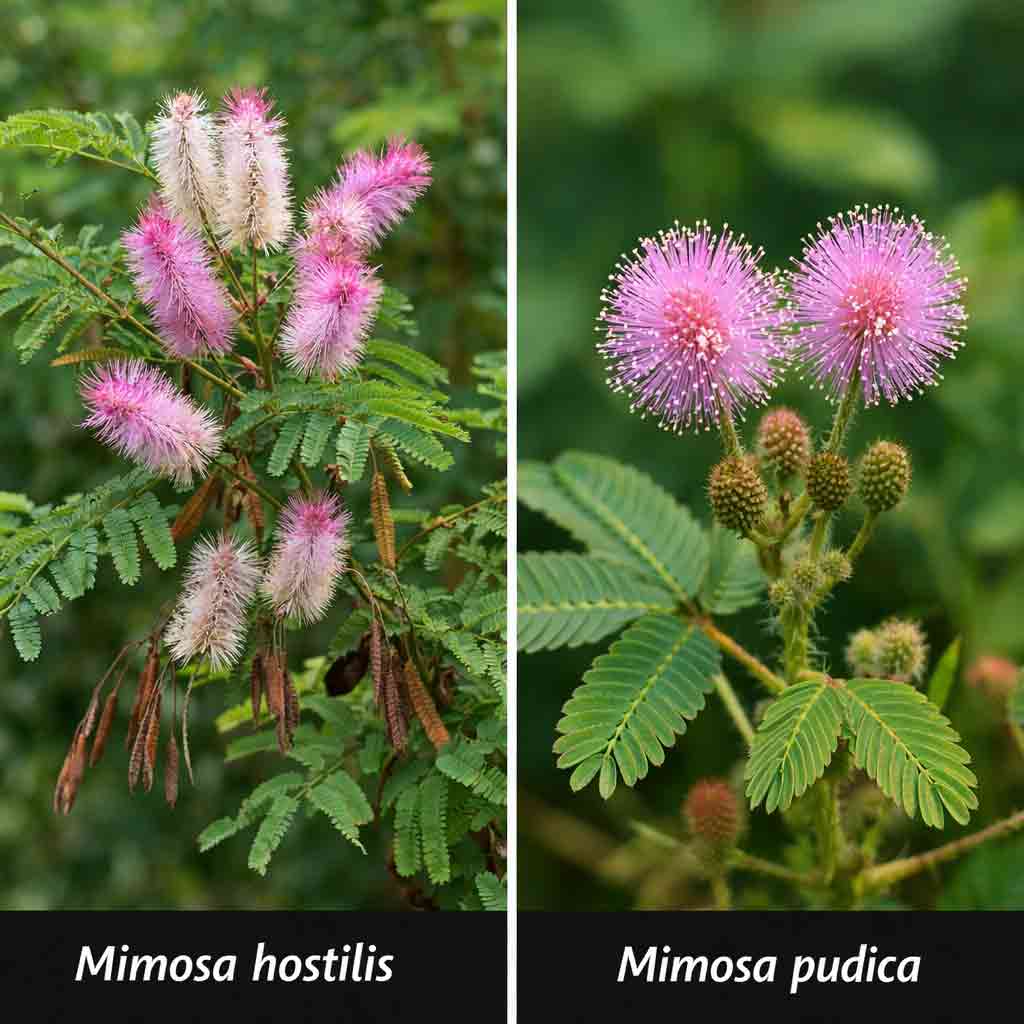
Mimosa hostilis (also known by its botanical synonym Mimosa tenuiflora) and Mimosa pudica (the sensitive or “shy” plant) are two distinct species in the legume family (Fabaceae) that are often confused due to their shared genus and superficially similar compound leaves. However, they differ dramatically in size, habitat, chemistry, and traditional use. Mimosa hostilis is […]
How Colonization Changed the Use of Mimosa Hostilis?
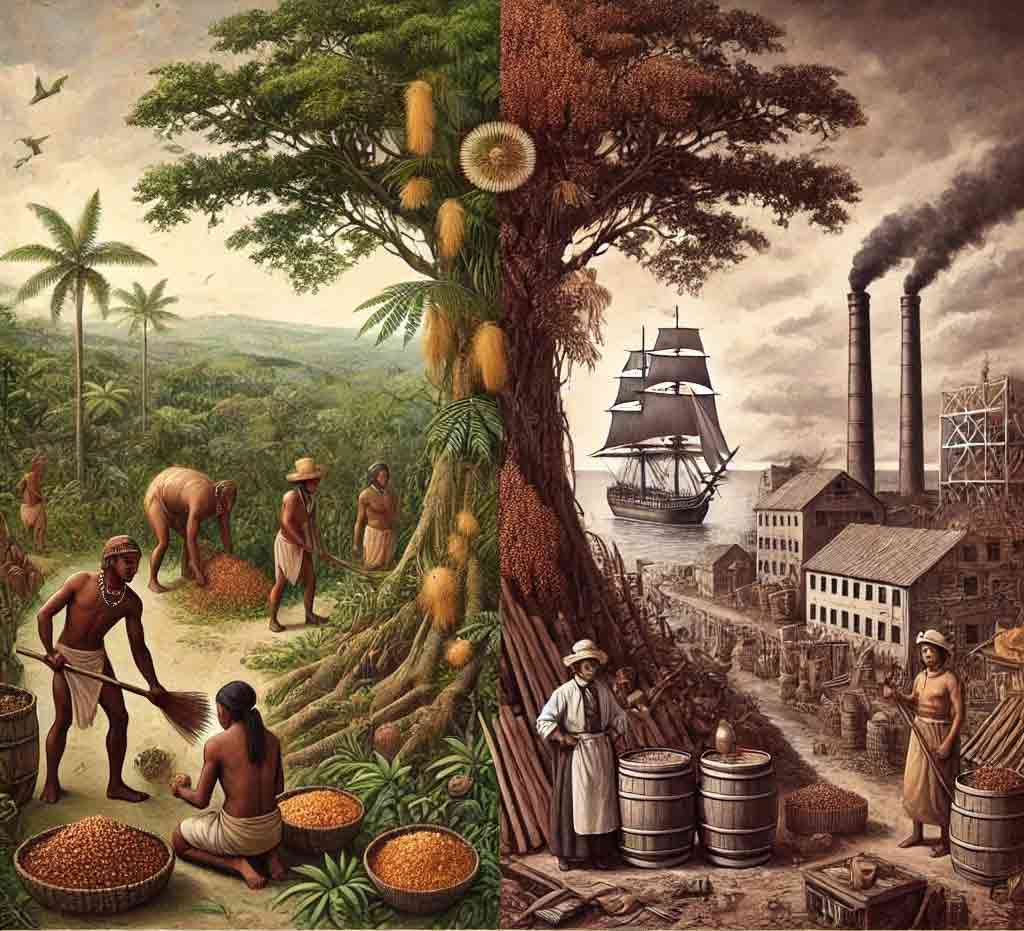
Mimosa hostilis, also known scientifically as Mimosa tenuiflora, has long held a central place in the ecological, medicinal, and spiritual systems of Indigenous societies across Mesoamerica and parts of South America. Long before European contact, this resilient plant was deeply embedded in local healing practices, land management traditions, and cultural cosmologies. Colonization, however, dramatically altered […]
Why MHRB Powder Is Popular in Natural Cosmetics?

Natural cosmetics have evolved into a sophisticated industry driven by research, heritage botanicals, and performance-focused formulations. Within this landscape, MHRB powder has gained remarkable attention for its multifunctional profile and deep cultural roots. Derived from the bark of Mimosa hostilis, this botanical ingredient has become synonymous with plant-powered efficacy, aligning perfectly with consumer demand for […]
What Are Common Quality Indicators of High-Grade MHRB?
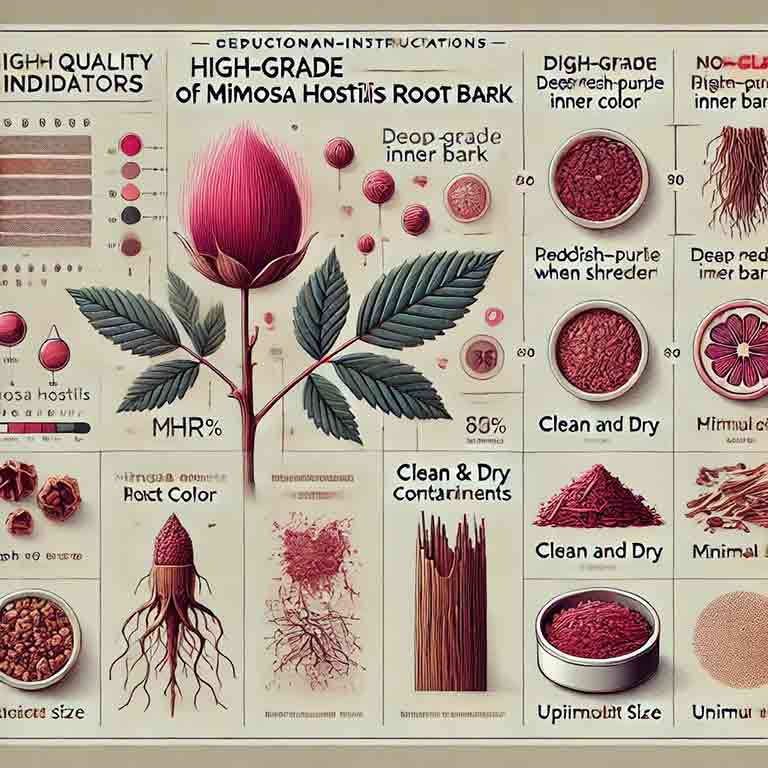
Key Takeaways High-grade MHRB (Mimosa tenuiflora) is identified by deep reddish-purple to dark brown inner bark coloration, dense fibrous texture, clean earthy aroma, and minimal outer bark contamination. Quality is determined across 10+ measurable indicators: species authenticity, inner bark purity, color consistency, fiber density, aromatic profile, harvest maturity, drying method, processing uniformity, storage stability, and […]
How Alkaloids in Jurema Preta Are Analyzed?

Jurema Preta, botanically known as Mimosa tenuiflora, is a plant of significant scientific interest due to its complex alkaloid profile. The analysis of alkaloids in Jurema Preta is a rigorous scientific process that combines botanical authentication, chemical extraction, and advanced laboratory instrumentation. Accurate analysis is essential for academic research, ethnobotanical documentation, and phytochemical standardization. The […]
Tepezcohuite Powder vs. Extracts: Key Differences, Uses, and Benefits Explained

Tepezcohuite, scientifically known as Mimosa tenuiflora, has gained significant international attention for its botanical value, traditional heritage, and modern commercial applications. Commonly referred to as the “skin tree” in parts of Latin America, this plant has been used for centuries in indigenous practices, particularly in Mexico and Brazil. Today, Tepezcohuite powder and Tepezcohuite extracts are […]
How Climate and Soil Affect Mimosa Hostilis Potency?
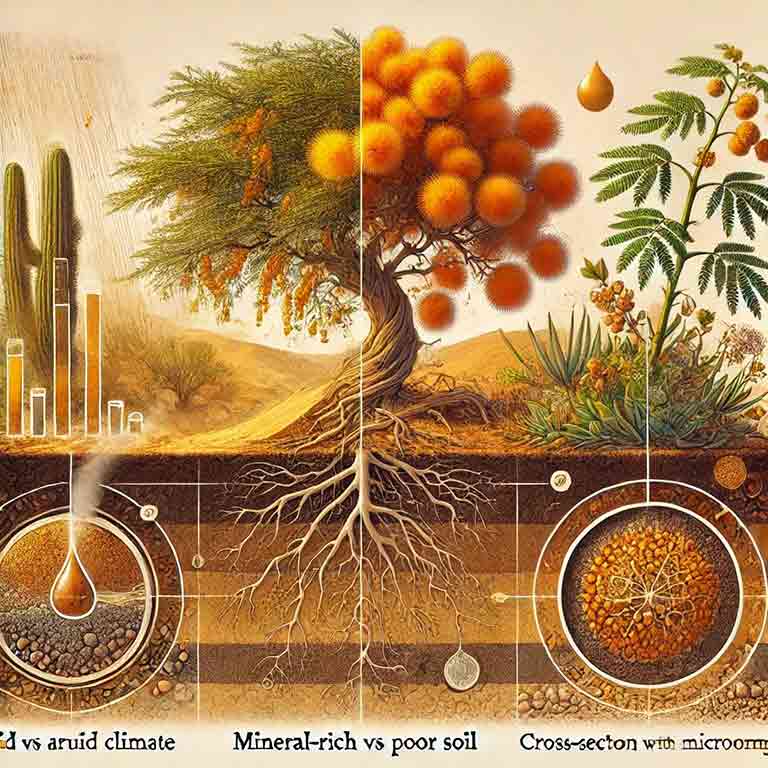
Mimosa hostilis, also widely known as jurema preta, is a resilient perennial tree native primarily to regions of northeastern Brazil and parts of Central America. Its reputation for strength, adaptability, and biochemical richness has made it a subject of interest in botanical research, ecological studies, and commercial supply chains focused on raw plant materials. Potency, […]
Why Root Bark Is the Most Studied Part of Mimosa Hostilis?
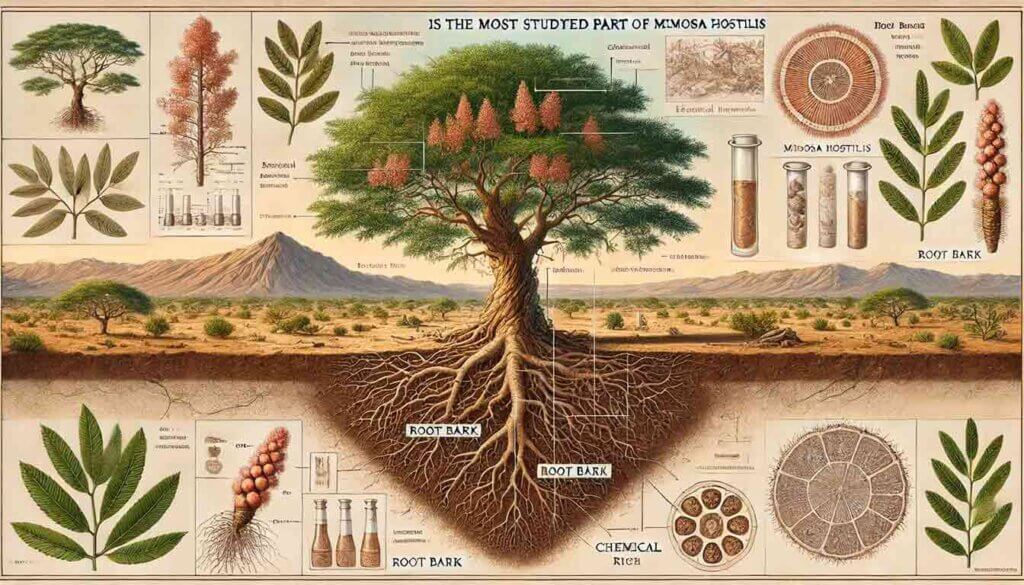
Understanding Mimosa Hostilis in Scientific and Commercial Contexts Mimosa hostilis, also known as Mimosa tenuiflora or Jurema preta, is a perennial tree native to regions of Northeastern Brazil, Central America, and parts of Mexico. Over decades of academic research, ethnobotanical documentation, and commercial analysis, this plant has gained exceptional attention. Among all its anatomical components, […]
Natural Plant Dyes: How Mimosa Hostilis Compares

Natural dyes continue to gain widespread recognition across textile, cosmetic, craft, and artisanal markets due to their environmental compatibility and rich, earthy tones. Among these botanical color sources, Mimosa Hostilis (also known as Mimosa tenuiflora) stands out for its remarkable ability to deliver deep, enduring shades through a naturally potent tannin profile. As global industries […]