Mordant-Free and Mess-Free: Why Mimosa Hostilis Might Be the Easiest Natural Dye You Haven’t Tried
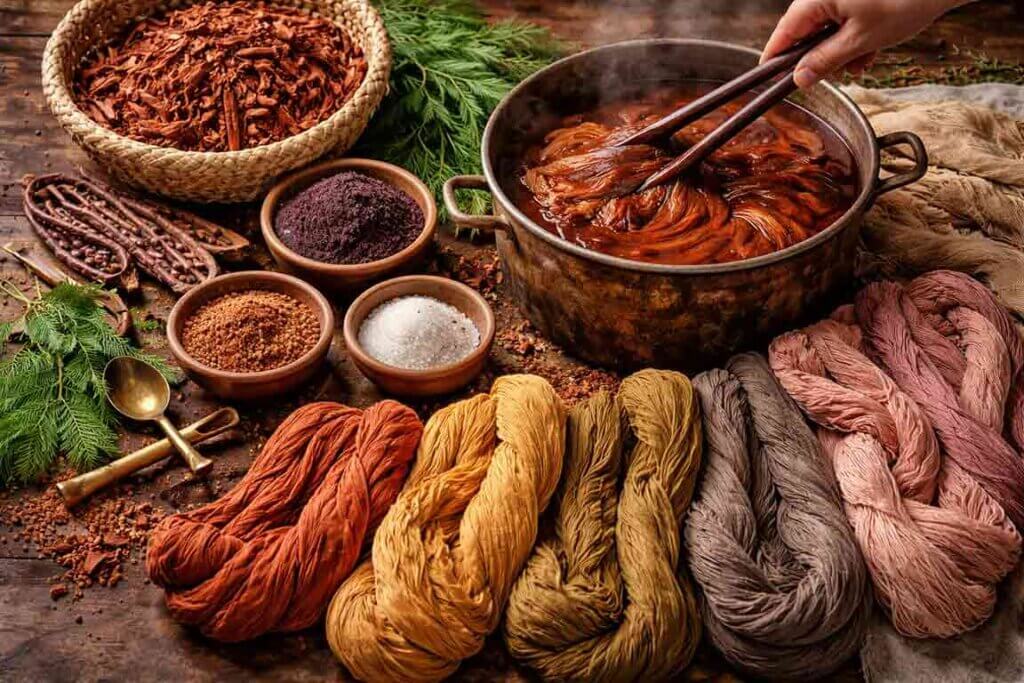
If you have ever spent hours soaking fiber in a mordant bath, wrestling with alum or iron, and still ended up with a color that faded after three washes, you already know the frustration that comes with traditional natural dyeing. But what if there was a plant that skipped most of that hassle entirely? Mimosa […]
How the 1985 Mexico City Earthquake Put Tepezcohuite on the International Skincare Map
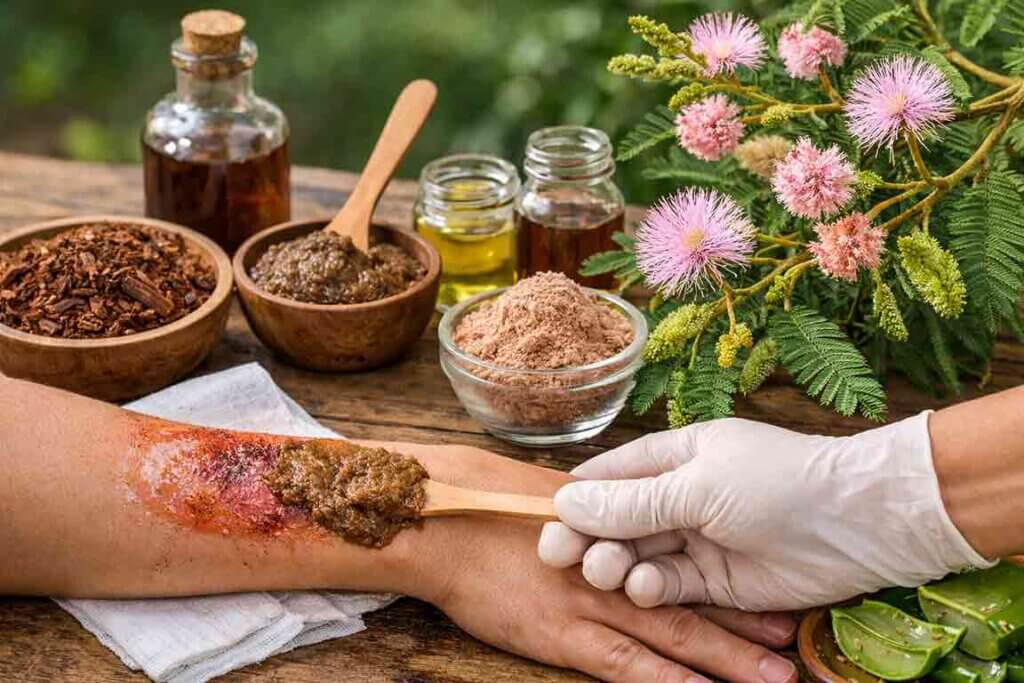
When we think about skincare breakthroughs, we rarely connect them to natural disasters. Yet one of the most remarkable stories in the history of botanical skincare begins in the rubble of one of the deadliest earthquakes ever to strike the Western Hemisphere. The 1985 Mexico City earthquake did not just reshape a city. It resurrected […]
How to Tell If the Mimosa Hostilis You Bought Online Is Fresh, Authentic, and Worth the Price
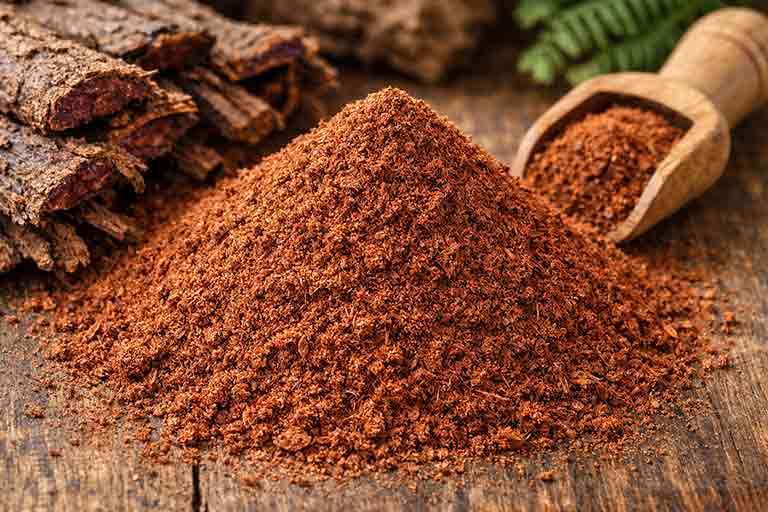
Buying botanical products online has become increasingly common, and Mimosa Hostilis is no exception. Whether you are purchasing it for natural dyeing, traditional herbal use, or skincare formulations, you want to know that what arrives at your door is genuinely fresh, properly sourced, and actually worth what you paid. The problem is that the online […]
Mimosa Hostilis vs. Bakuchiol: Which Natural Retinol Alternative Deserves More Attention?
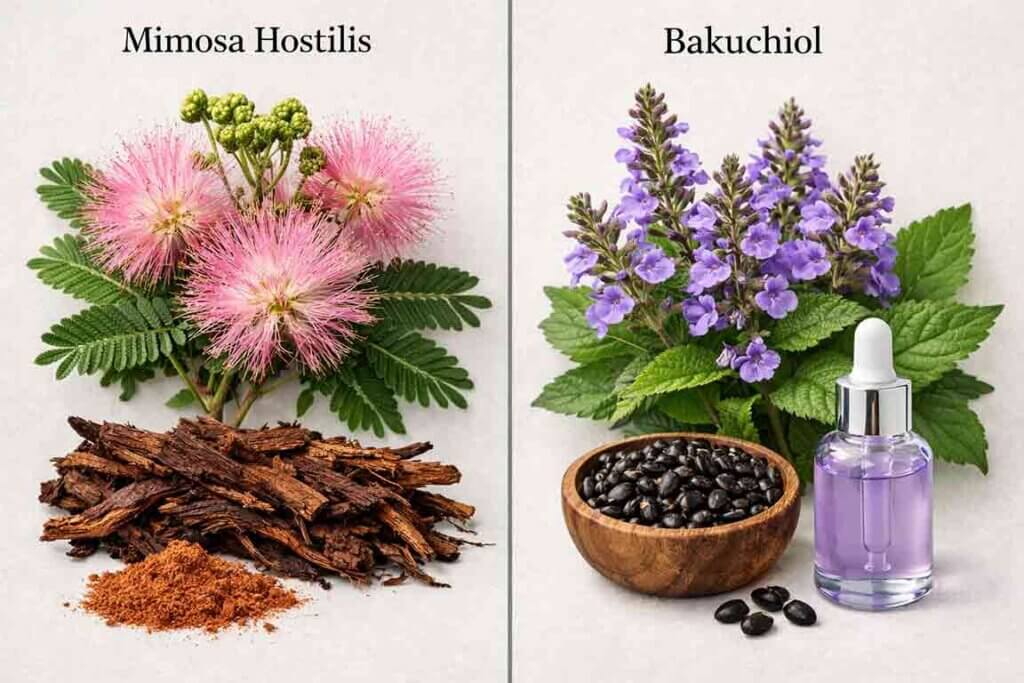
When the skincare world started buzzing about plant-based retinol alternatives, two names began rising to the surface: Bakuchiol and Mimosa Hostilis. Most people have heard of Bakuchiol by now. It has been on beauty shelves, in dermatologist conversations, and across skincare blogs for years. But Mimosa Hostilis? That one tends to make people pause. And […]
Tepezcohuite, Jurema, MHRB: Why Does This One Tree Have So Many Names?
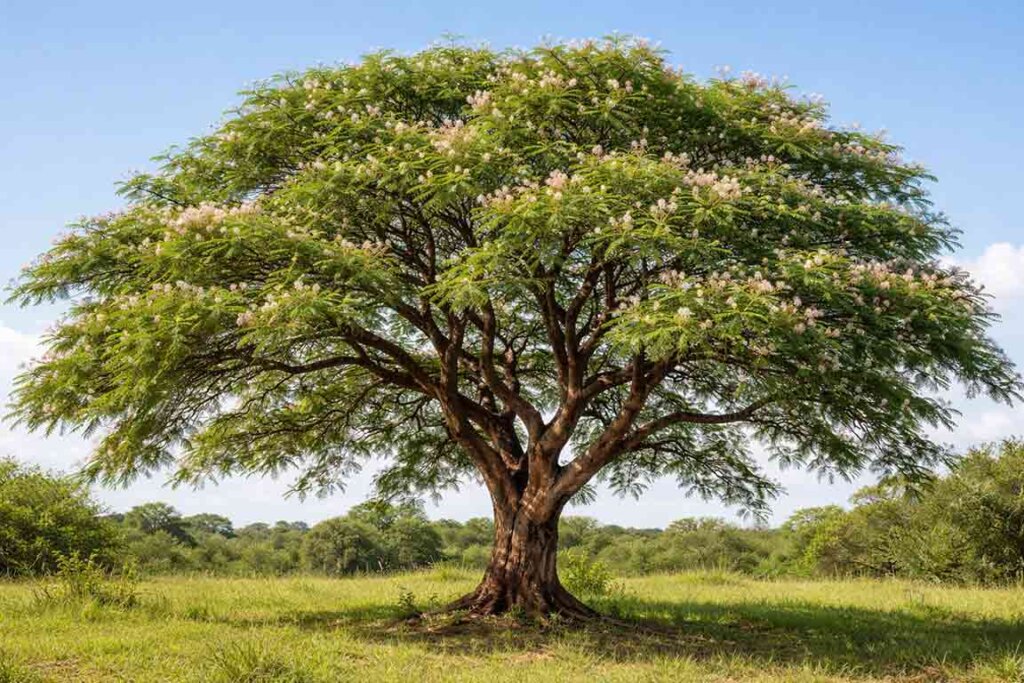
If you have ever gone down a rabbit hole researching natural plant remedies, ethnobotany, or traditional healing, you have almost certainly stumbled across a tree that goes by a dizzying number of names. Tepezcohuite in Mexico. Jurema in Brazil. MHRB across online communities. Carbonal, Tepescohuite, Mimosa tenuiflora, Mimosa hostilis — the list goes on. How […]
Why Jurema Bark Could Be the Future of Natural Leather Tanning and Dyeing in One Step
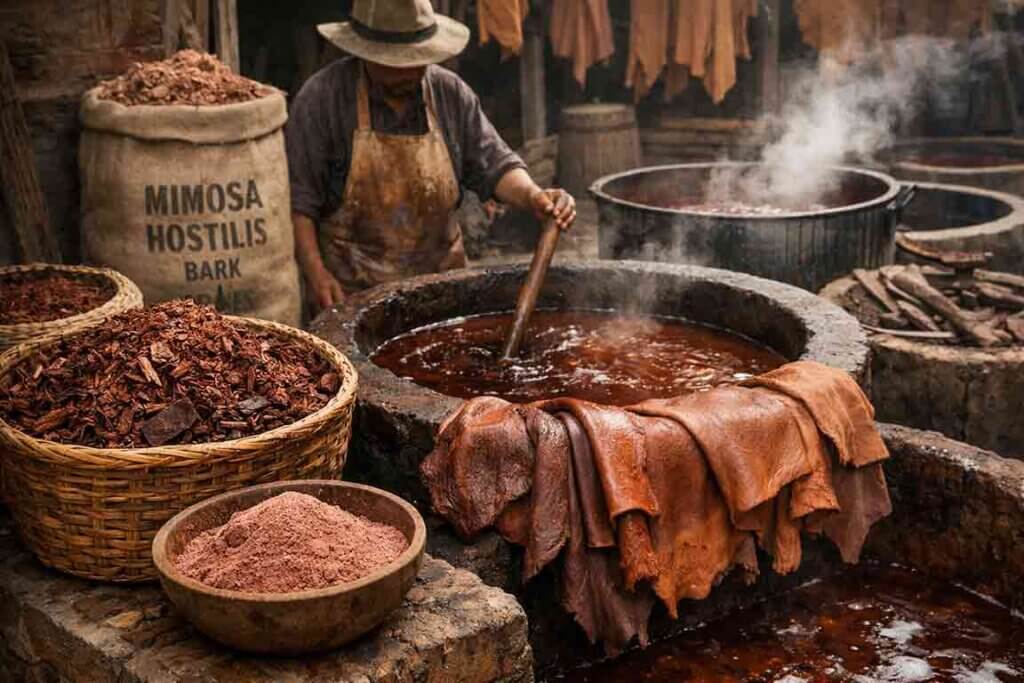
There is a quiet revolution happening in the world of natural leather crafting, and it is being driven by a plant that has been used for centuries in South America. Jurema bark, harvested from Mimosa tenuiflora (also known as Mimosa hostilis), is gaining serious attention among leather artisans, sustainable textile producers, and botanical dye researchers. […]
The Genetics of Jurema: How Two Countries Ended Up With the Same Sacred Tree

What Is Jurema and Why Does It Matter? Deep in the dry forests of northeastern Brazil and scattered across the scrublands of Mexico, a tree grows that has quietly shaped the spiritual lives of indigenous communities for thousands of years. Jurema, known scientifically as Mimosa tenuiflora (and sometimes Mimosa hostilis) is far more than a […]
What Happens If You Ferment Jurema Bark Before Dyeing? The Experiment Worth Running
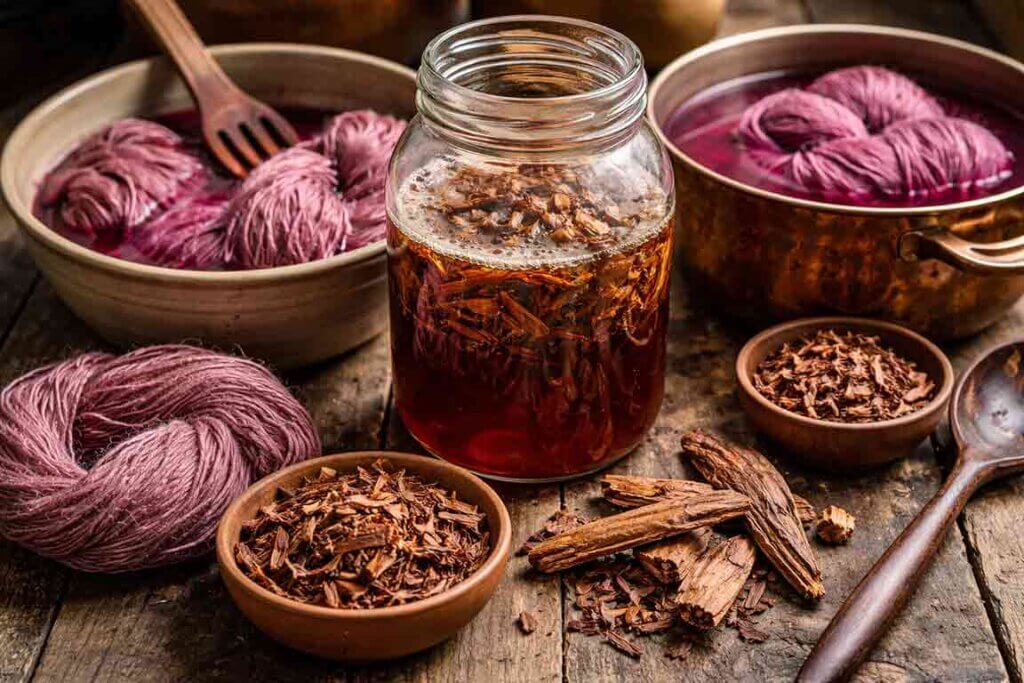
If you’ve spent any time in the natural dyeing world, you already know that the process rarely ends at “simmer bark, dip cloth, rinse, done.” There’s a whole universe of pre-treatments, mordants, tannins, and yes — fermentation — that can dramatically shift what ends up on your fabric. And if you’ve been working with Jurema […]
Mimosa Root Bark vs. Stem Bark: Is the Skincare Industry Harvesting the Wrong Part of the Tree?
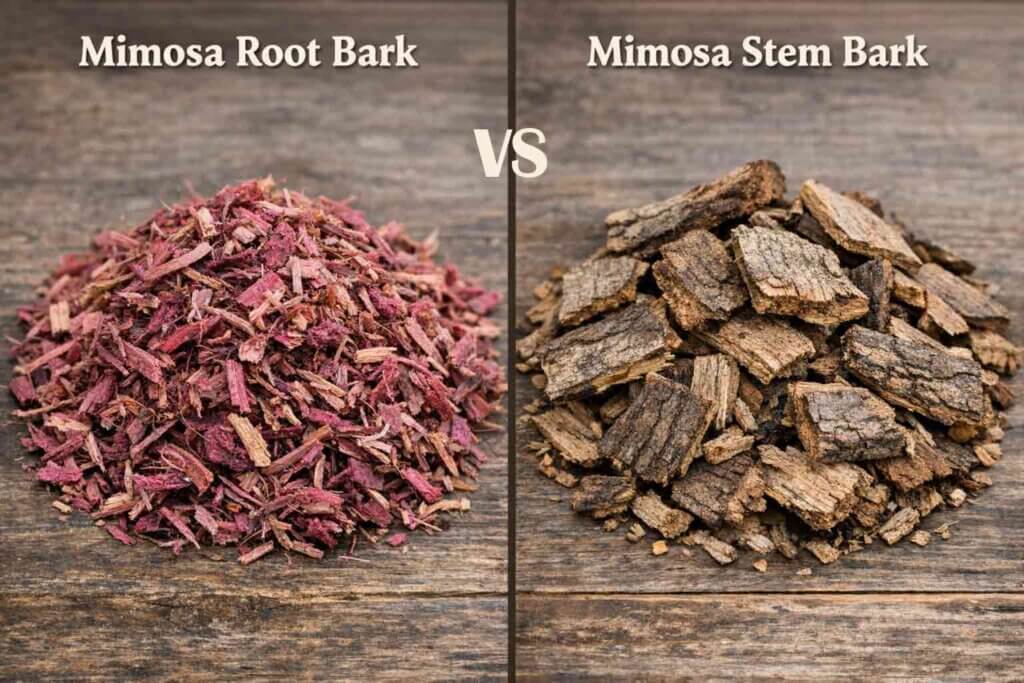
There’s something almost poetic about the mimosa tree. Known scientifically as Mimosa hostilis (also called Mimosa tenuiflora), this resilient, nitrogen-fixing tree has grown quietly in the dry scrublands of northeastern Brazil and parts of Mexico for centuries, earning a reputation in traditional medicine that modern science is only beginning to fully appreciate. But as the […]
Tie-Dye and Shibori Techniques Using Mimosa Hostilis Natural Dye
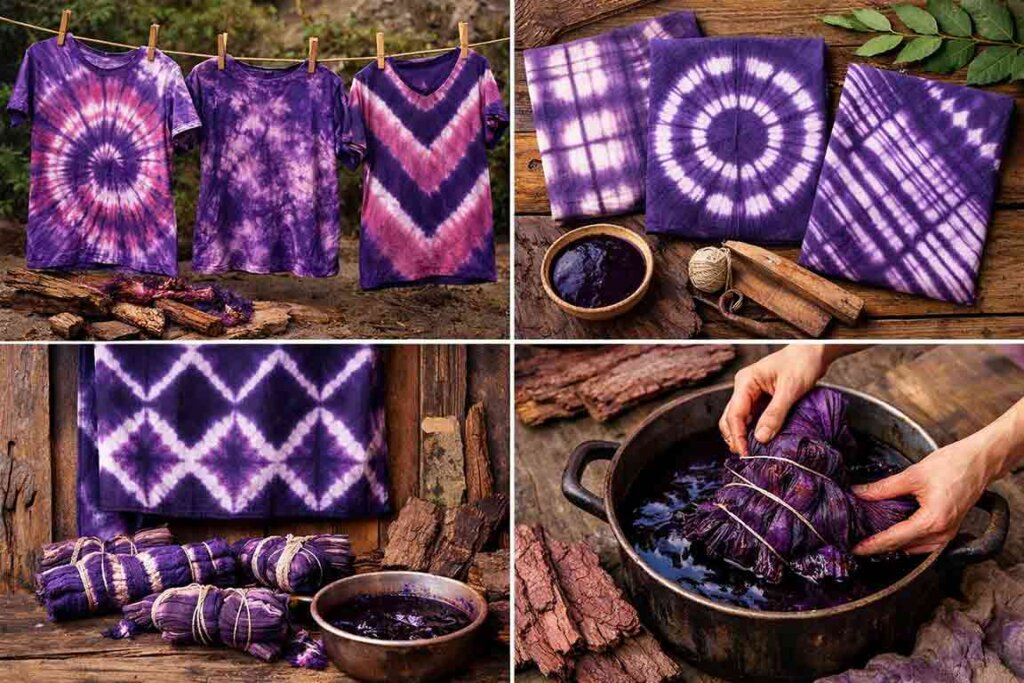
A pot of simmering root bark turns a deep wine-red within minutes, long before the fabric ever touches it. That color shift is a chemistry lesson happening in real time — and it’s the reason Mimosa Hostilis has become one of the more interesting botanical dyes for tie-dye and Shibori work. Unlike indigo, which needs […]