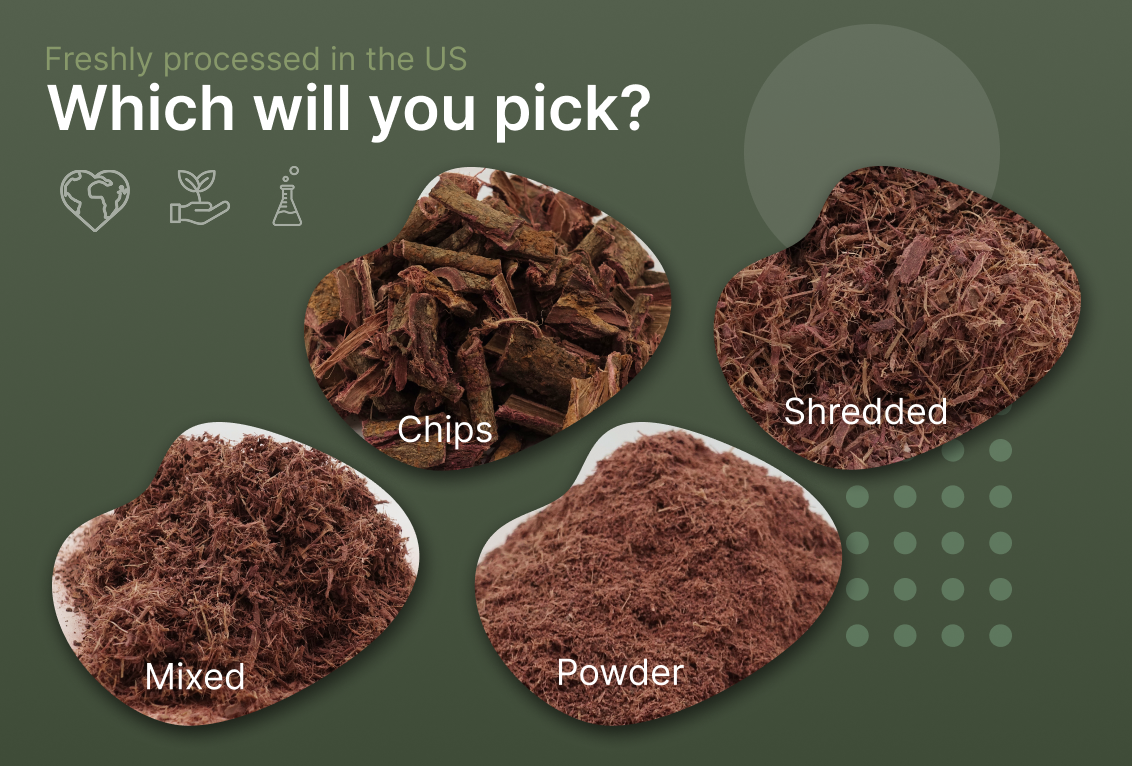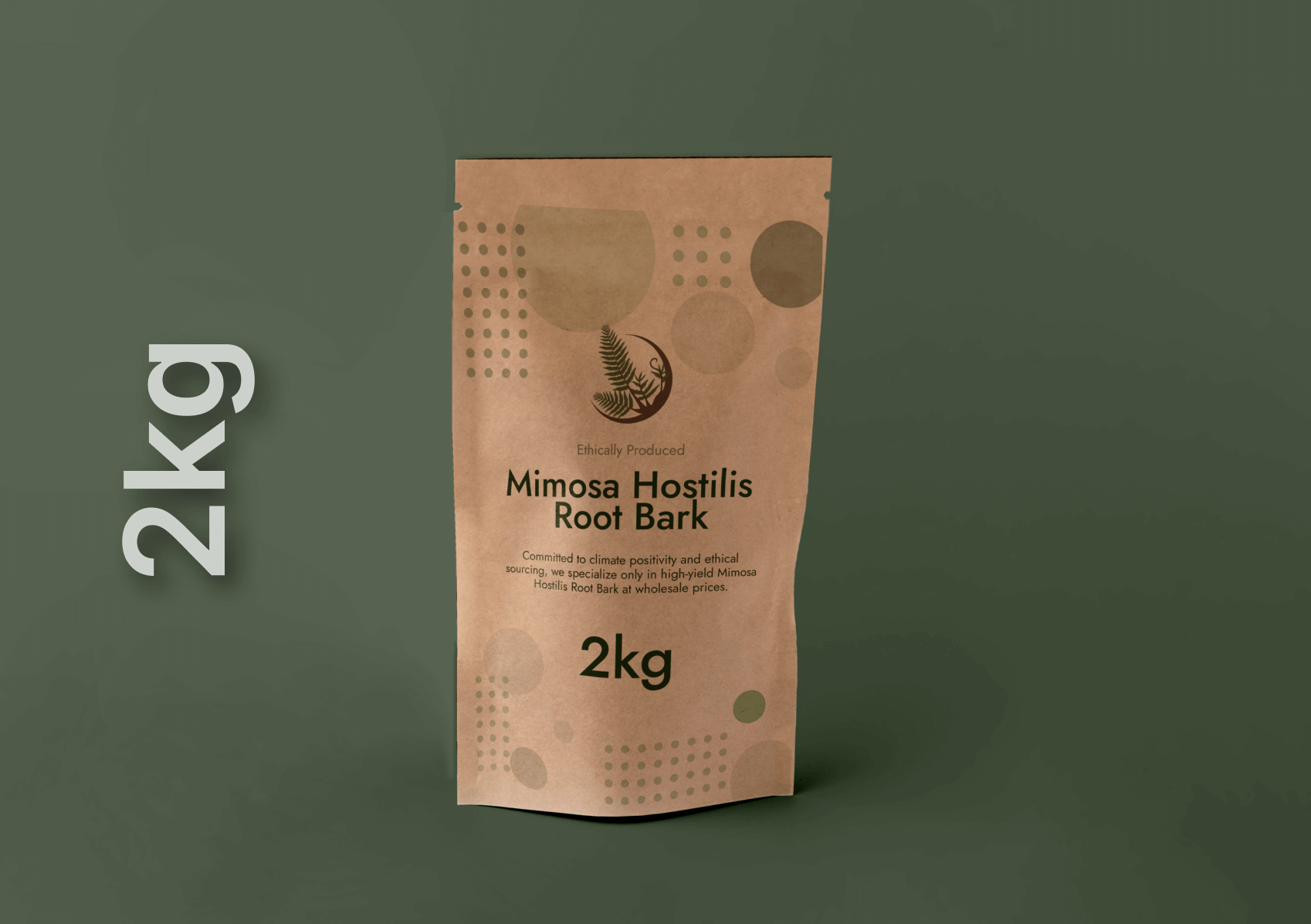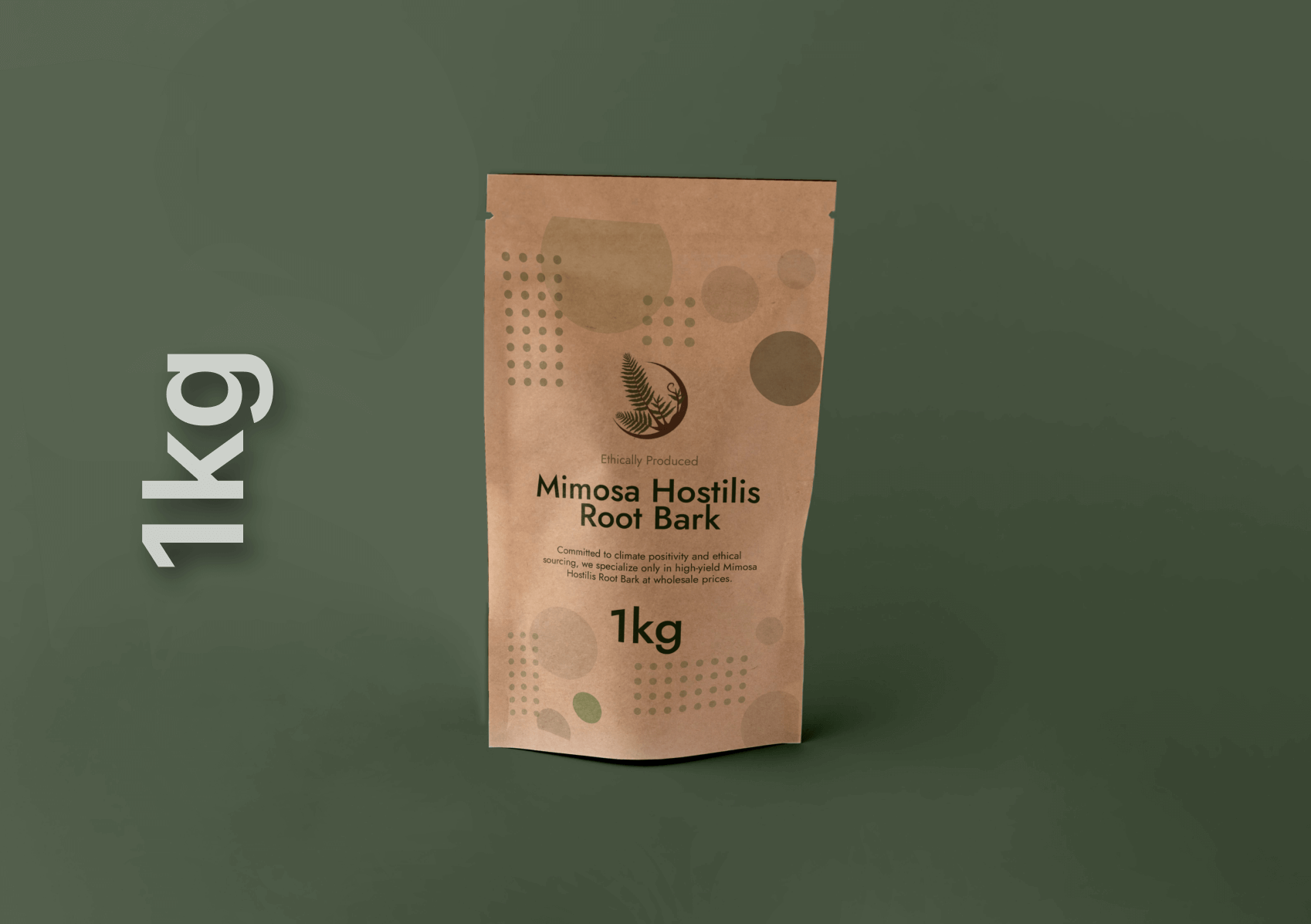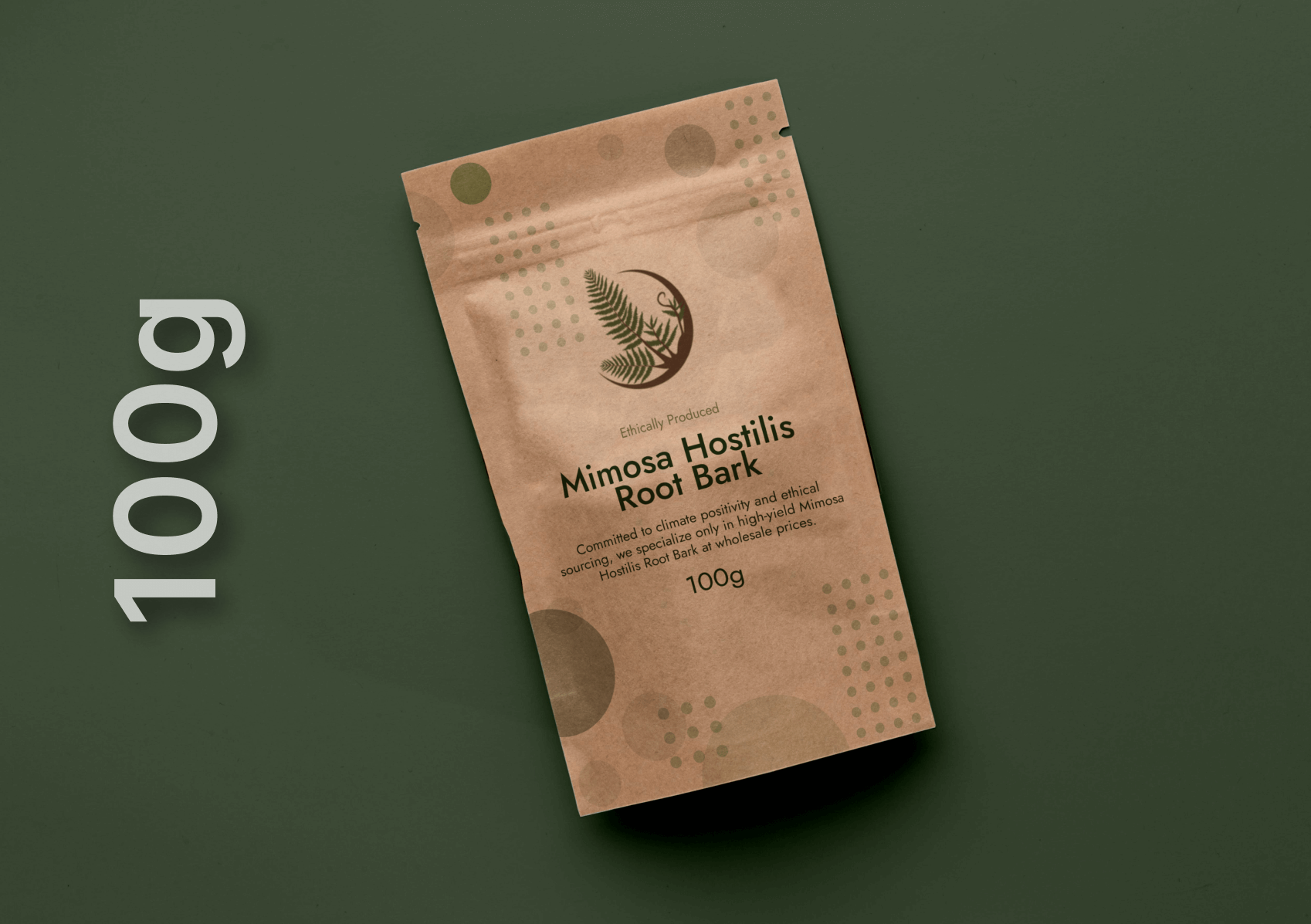
There is a quiet revolution happening in the world of natural leather crafting, and it is being driven by a plant that has been used for centuries in South America. Jurema bark, harvested from Mimosa tenuiflora (also known as Mimosa hostilis), is gaining serious attention among leather artisans, sustainable textile producers, and botanical dye researchers. What makes it stand out is not just one property, but the rare combination of two: it can both tan and dye leather in a single botanical process. For anyone working in natural leather production, that is a significant development worth understanding in depth.
What Is Jurema Bark and Where Does It Come From?
Jurema, known botanically as Mimosa tenuiflora, is a perennial tree or shrub native to the semi-arid scrublands of northeastern Brazil, particularly the Caatinga region. It also grows across parts of Mexico, Central America, and other tropical zones. The inner root bark and outer stem bark of this plant have a long ethnobotanical history, but beyond its cultural uses, the bark is packed with bioactive compounds that make it a powerhouse for industrial and artisanal applications.
The bark is especially rich in tannins, flavonoids, saponins, and natural pigments, including reddish-brown polyphenols that give it that characteristic dark, earthy tone. These compounds are not just cosmetically interesting. They are chemically active in ways that directly interact with the protein structure of animal hides, which is the very basis of traditional vegetable tanning.
What Makes Jurema Bark Effective for Leather Tanning?
The Role of Tannins in Vegetable Tanning
To understand why Jurema bark is so effective, you need to understand what tannins actually do. Leather tanning with vegetable dyes is one of the oldest leather-making methods in human history. It works by introducing tannin molecules into the collagen network of a raw animal hide. These tannins bind with the protein fibers, cross-linking them and converting the raw hide into a stable, durable, and flexible leather that resists decomposition.
Traditional vegetable tanning uses bark or plant matter from species like oak, chestnut, quebracho, mimosa (wattle), and hemlock. The concentration and type of tannin in each plant determines the quality and character of the resulting leather.
Jurema bark has a remarkably high tannin content, with some analyses showing concentrations comparable to or exceeding that of quebracho, one of the most widely used commercial tanning agents globally. The primary tannins present are condensed tannins (proanthocyanidins), which are well known for producing firm, dense leather with excellent aging characteristics.
How Jurema Bark Compares to Traditional Tanning Agents
Compared to commonly used alternatives, Jurema bark holds its ground well. Quebracho extract, for instance, produces leather with a reddish-brown tone and firm hand feel. Jurema performs similarly but with an added chromatic bonus: its natural pigments simultaneously deposit color during the tanning process. Oak bark produces a pale, mellow leather that requires separate dyeing. Mimosa wattle (a close botanical relative) is already commercially used in the leather industry, and Jurema shares many of its tannin profiles while adding deeper color compounds.
This comparison matters because it shows that Jurema is not an untested botanical novelty. It belongs to a family of plants with a proven industrial track record, while offering properties that could make it even more useful in a modern, sustainability-focused production context.
Can Jurema Bark Tan and Dye Leather at the Same Time?
Yes, Jurema bark can effectively tan and dye leather simultaneously. This is the key claim that makes it such an exciting material for natural leather workers. The same polyphenolic compounds that bind with collagen to tan the hide also carry pigment that deposits color throughout the leather. The result is a material that is tanned, conditioned, and colored in a single botanical bath, without needing synthetic dyes or separate color treatments.
The color produced ranges from warm reddish-tan to deep reddish-brown, depending on the concentration of bark used, the pH of the tanning liquor, the duration of immersion, and whether any mordants are applied. This natural variation is often considered a feature rather than a flaw in artisanal leather production, where character and uniqueness are valued.
The Chemistry Behind Jurema’s Dual-Action Properties
Polyphenols as Both Tanning Agents and Colorants
Polyphenols are the chemical family that does most of the work here. In Jurema bark, the dominant polyphenolic compounds are condensed tannins, which polymerize and form tight bonds with collagen. These same molecules carry chromophore groups, meaning they absorb specific wavelengths of light and reflect the reddish-brown spectrum we associate with naturally tanned leather.
When Jurema bark is prepared as a tanning liquor (by simmering or cold-soaking the bark in water), these compounds are extracted into solution. As the hide is soaked, the polyphenols penetrate the fiber matrix. Tanning and coloring happen concurrently because the same molecule is responsible for both actions.
The Impact of pH and Water Hardness
The final color achieved with Jurema bark is sensitive to the pH of the tanning bath. More acidic baths tend to produce lighter, warmer tones. More alkaline conditions shift the color toward darker, purplish-brown hues. This is consistent with the behavior of other plant-based tannin-dye systems and gives craftspeople a meaningful degree of control over the finished appearance of the leather without introducing synthetic chemicals.
Water hardness also plays a role. Mineral-rich water can cause certain tannins to precipitate, reducing both tanning efficiency and color depth. Soft or rainwater is generally preferred for botanical tanning baths, especially when working with sensitive natural dye systems like Jurema.
Why This Matters for Sustainable Leather Production
The Environmental Cost of Conventional Tanning and Dyeing
Conventional leather production relies heavily on chrome tanning, which uses chromium sulfate as the primary tanning agent. Chrome tanning is fast, efficient, and produces soft leather, but it generates toxic effluent containing hexavalent chromium compounds, a known carcinogen, that poses serious environmental and health risks if not carefully managed.
Synthetic dyes used in the finishing phase add another layer of environmental concern, with many azo dyes and heavy metal-based colorants creating wastewater that requires expensive treatment before it can be safely discharged.
The leather industry is under increasing pressure from regulators, brands, and consumers to clean up its processes. Natural tanning and dyeing systems, especially those that combine both functions in one step, are directly relevant to reducing this environmental burden.
Jurema Bark as a Low-Impact Alternative
Jurema bark is a renewable plant resource. In its native habitat, it grows quickly and coppices well, meaning it can be harvested without killing the plant and regenerates within a few years. The tanning liquors produced from Jurema bark are biodegradable and do not introduce heavy metals or persistent synthetic compounds into wastewater streams.
For small-scale producers, artisan leather workers, and brands positioning themselves in the sustainable or slow-fashion space, Jurema offers a genuine, traceable, plant-based alternative to both synthetic tanning agents and chemical dyes. The one-step process also reduces water consumption, processing time, and energy use compared to running separate tanning and dyeing operations.
Practical Applications: Who Is Using Jurema Bark for Leather?
Artisan Leather Crafters and Natural Dye Enthusiasts
Within the natural dye and botanical leatherworking communities, Jurema bark has attracted a growing following. Craftspeople working with vegetable-tanned leather, hand-stitched goods, and naturally dyed textiles have experimented with Jurema bark baths and reported consistent results in both tanning efficiency and color quality. The reddish-brown tone it produces has a warmth and depth that many find more appealing than pale oak-tanned leather or the synthetic uniformity of chrome-tanned goods.
Sustainable and Slow Fashion Brands
Brands building products around natural materials, indigenous botanical knowledge, and low-impact production are beginning to look at Jurema more seriously. The ability to market a product as tanned and dyed with a single plant-based material, without synthetic additives, is a meaningful point of differentiation in a market where consumers are increasingly reading labels and demanding transparency.
Textile and Fiber Artisans
Jurema bark is also used in natural fabric dyeing, not just leather. Wool, silk, and other protein fibers take up the pigment from Jurema baths with good depth of shade, particularly when mordanted with alum or iron. The crossover between leather tanning and textile dyeing communities is creating a broader base of knowledge about how to work with this plant effectively.
How to Prepare a Jurema Bark Tanning and Dyeing Bath
While detailed formulation depends on the specific hide, volume, and desired outcome, the general process follows the same logic as other botanical tanning methods. The bark (usually the inner root bark, which has the highest tannin concentration) is simmered in water to extract the active compounds. The ratio of bark to water, the simmering time, and the temperature all affect the strength of the resulting liquor.
The hide is prepared by soaking in water and liming if needed to open the fibers, then introduced to the Jurema liquor at progressively increasing strengths. This graduated tanning method helps ensure even penetration of tannins throughout the hide rather than surface-only tanning. The hide is turned and monitored over a period of days to weeks depending on thickness. At the end of the process, the leather is removed, allowed to dry slowly, and finished with oils or waxes as needed.
Because dyeing happens simultaneously, no separate dye bath is required. The color that develops is the natural result of the tannin and pigment deposition process.
Challenges and Considerations When Working With Jurema Bark
Consistency and Standardization
One of the practical challenges of working with any botanical tanning material is variability. Tannin content in plant bark can vary depending on the time of harvest, the age of the plant, storage conditions, and the region of origin. This means that two batches of Jurema bark may produce somewhat different results even when prepared the same way. For artisan producers, this variability is often acceptable or even desirable. For larger-scale or industrial applications, it requires more careful sourcing and quality control.
Sourcing and Supply Chain
Jurema bark is primarily sourced from South America, particularly Brazil. Import regulations, sustainability certifications, and supply chain transparency are all factors to consider for buyers outside this region. Demand for Jurema bark has grown significantly in recent years, driven partly by interest in its other botanical applications, and this has implications for price and availability.
Color Fastness
Natural dyes generally have lower color fastness than synthetic alternatives, and Jurema-dyed leather is no exception. Exposure to strong light over time can cause some fading or shift in tone. This can be mitigated through proper finishing, the use of UV-protective topcoats, and appropriate mordanting if the fiber allows. For leather goods intended for heavy outdoor use, this is worth factoring into product design decisions.
The Future of Jurema Bark in the Leather Industry
The broader trend toward sustainable materials, circular production systems, and botanical alternatives to industrial chemicals is not slowing down. Within this context, Jurema bark is well positioned to become a more prominent material in natural leather production. The combination of high tannin content, natural coloring compounds, renewable sourcing, and biodegradable processing makes it a strong candidate for both artisan and emerging commercial applications.
Research into standardized extraction methods, tannin concentration measurement, and color fastness improvement will likely increase as interest in the material grows. As more producers experiment with Jurema and publish their findings within craft and research communities, the knowledge base around best practices will deepen, making it easier for new adopters to work with the material confidently.
Conclusion
Jurema bark represents something genuinely useful in the world of natural leather: a single botanical source that handles both tanning and dyeing without the need for synthetic chemicals, separate processing steps, or heavy metal-based compounds. Its tannin profile is competitive with established commercial tanning agents, and its natural pigments produce warm, rich tones that are difficult to replicate with synthetic dyes. For anyone working in artisan leather production, sustainable textile work, or natural dyeing, Jurema bark is a material worth serious attention. The chemistry supports the use case, the environmental argument is compelling, and the results speak for themselves. As the industry continues its shift toward cleaner, more traceable production methods, Jurema bark is not just an interesting experiment. It could genuinely be part of the future.
Frequently Asked Questions
1. Can Jurema bark really tan and dye leather at the same time?
Yes. The condensed tannins in Jurema bark bind with leather’s collagen fibers while the natural polyphenolic pigments simultaneously deposit color, producing tanned and colored leather in a single botanical bath.
2. What color does Jurema bark produce on leather?
It produces warm reddish-tan to deep reddish-brown tones. The exact shade depends on bark concentration, bath pH, soak duration, and whether any mordants are used.
3. Is Jurema bark tanning safe for the environment?
Yes. Jurema bark liquors are fully biodegradable and contain no heavy metals or synthetic compounds, making them a clean alternative to chrome tanning and synthetic dye systems.
4. How does Jurema bark compare to quebracho or oak bark for tanning?
Jurema has a similarly high condensed tannin content to quebracho and outperforms oak bark in color depth, while offering the added advantage of natural dyeing in the same process.
5. Where can you source Jurema bark for leather tanning?
Jurema bark is primarily sourced from northeastern Brazil. It is available through botanical suppliers, natural dye vendors, and ethnobotanical import companies. Always verify sustainability sourcing when purchasing.