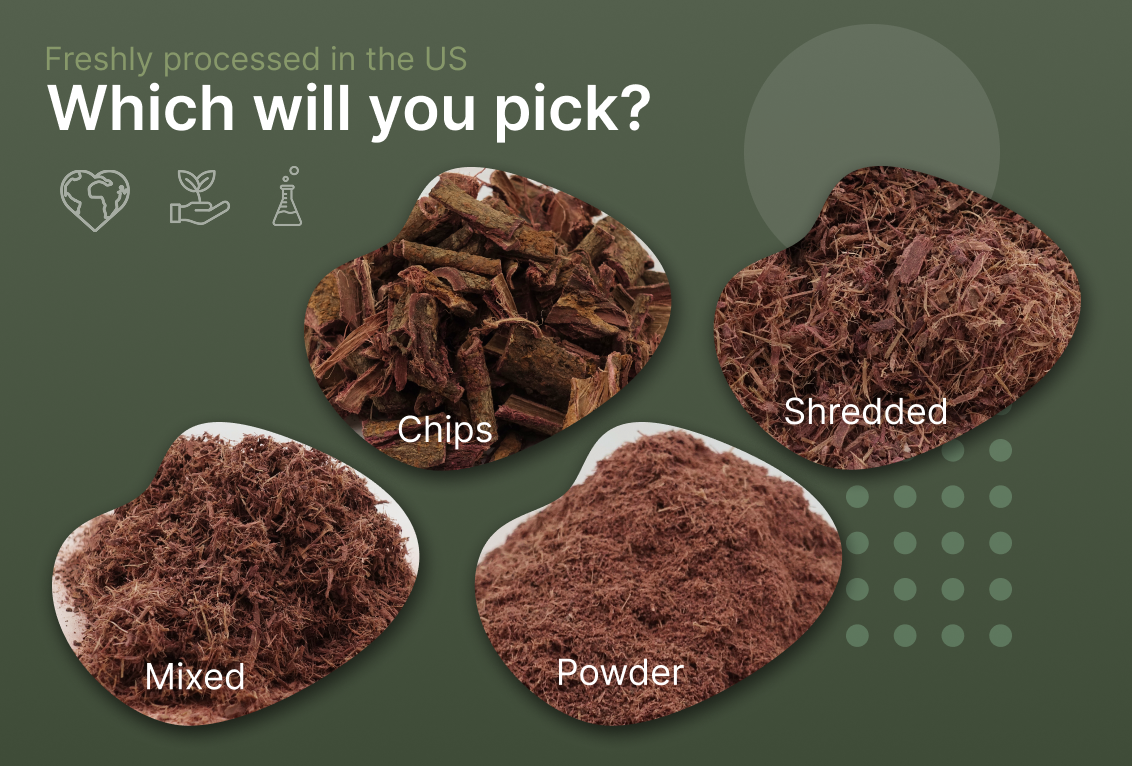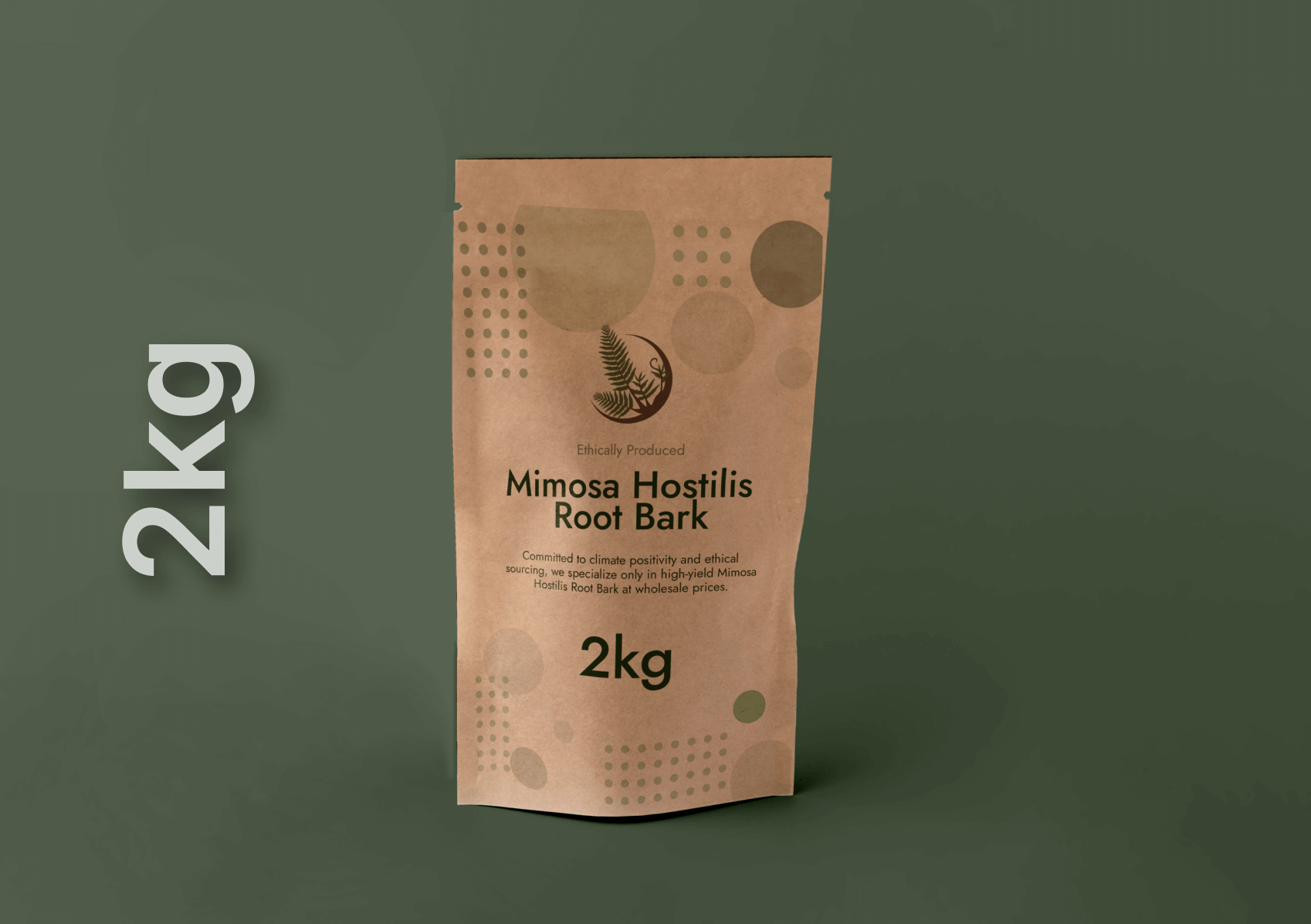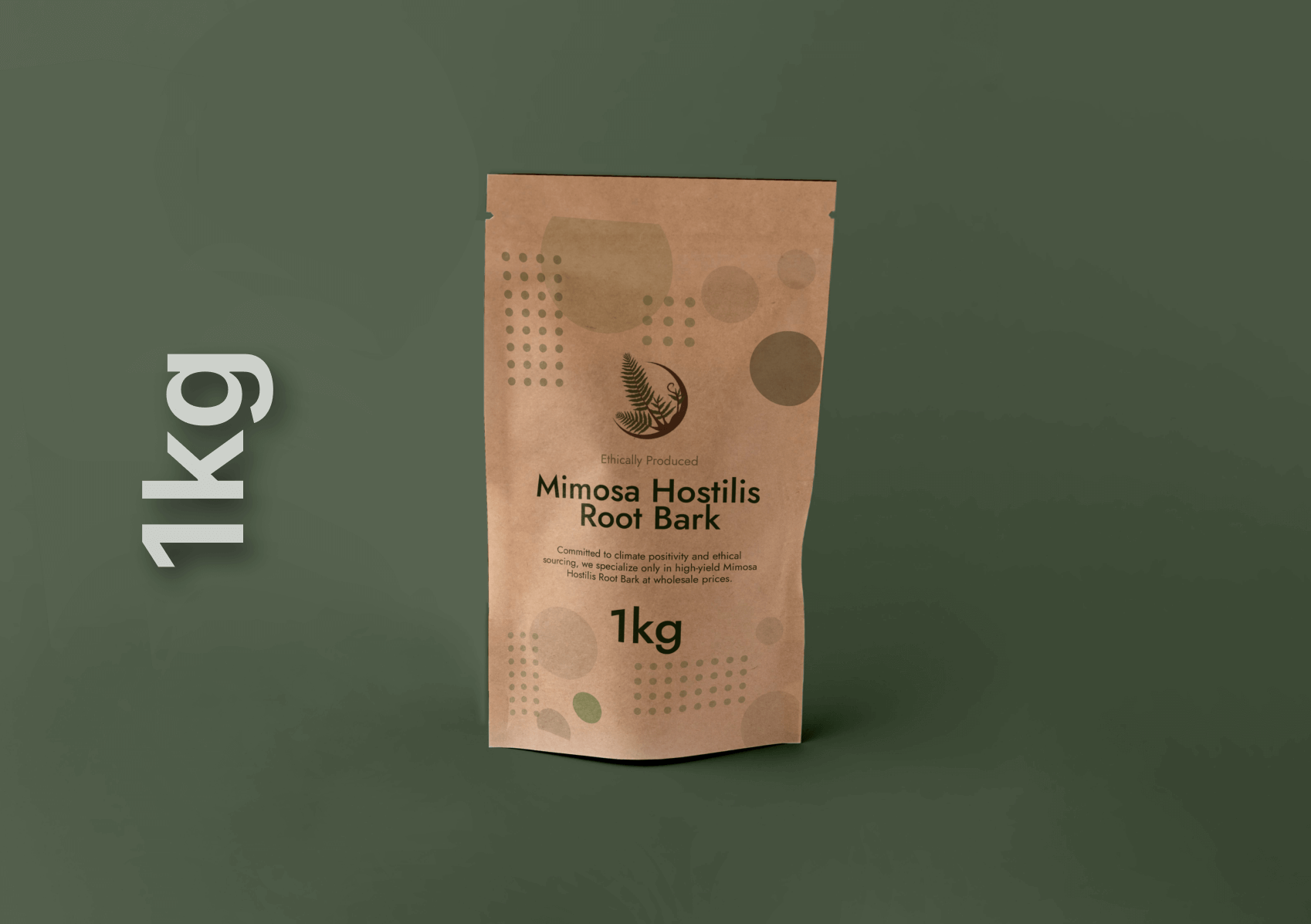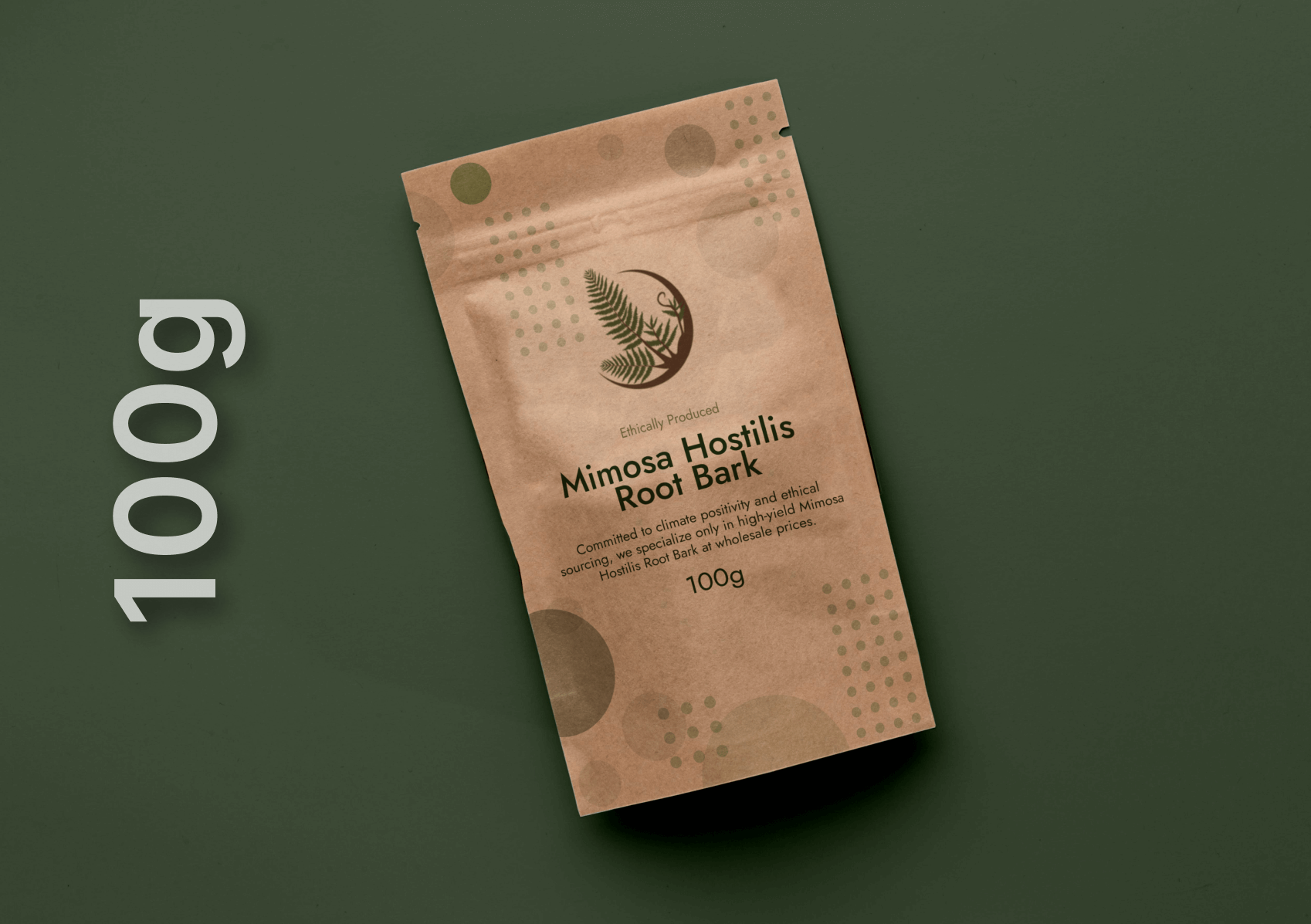
There’s something almost poetic about the mimosa tree. Known scientifically as Mimosa hostilis (also called Mimosa tenuiflora), this resilient, nitrogen-fixing tree has grown quietly in the dry scrublands of northeastern Brazil and parts of Mexico for centuries, earning a reputation in traditional medicine that modern science is only beginning to fully appreciate. But as the global skincare industry has discovered mimosa and rushed to incorporate it into formulations, a critical question has been largely overlooked: are brands using the right part of the tree?
The debate between mimosa root bark and mimosa stem bark isn’t just academic. It has real consequences for product efficacy, consumer value, ingredient sustainability, and the integrity of brands claiming to harness the full power of this remarkable plant. If you’ve ever used a mimosa-based skincare product and wondered why the results didn’t quite match the marketing, the answer may lie not in the plant itself — but in which part of it ended up in your serum, cream, or mask.
What Makes Mimosa Hostilis Such a Powerful Skincare Ingredient?
Before diving into the root versus stem debate, it’s worth understanding why mimosa bark has captured the skincare industry’s attention in the first place. Mimosa tenuiflora bark — in both its root and stem forms — contains a remarkably dense concentration of bioactive compounds that are genuinely relevant to skin health.
Tannins are among the most abundant actives in mimosa bark, and they bring meaningful astringent, antimicrobial, and wound-healing properties to cosmetic formulations. Saponins contribute to the plant’s foaming and emulsifying characteristics, making mimosa extracts particularly interesting for cleansing applications. Flavonoids and polyphenols provide antioxidant activity, helping to neutralize free radical damage that accelerates skin aging. And lupeol, a triterpenoid found in mimosa bark, has attracted significant scientific interest for its anti-inflammatory and potential anti-proliferative effects.
The plant also has a deep and well-documented history of use in traditional Brazilian medicine — particularly among communities in the Caatinga biome — for treating burns, wounds, skin ulcers, and infections. This isn’t anecdotal heritage; it’s centuries of empirical refinement that modern dermatological research is increasingly validating. The question is whether the industry is sourcing the part of the mimosa tree that actually delivers these benefits at their highest potency.
What Is Mimosa Root Bark, and How Does It Differ from Stem Bark?
Mimosa root bark is the outer layer harvested from the underground root system of Mimosa tenuiflora. It is typically darker in color — ranging from deep reddish-brown to almost burgundy — and has a distinctly earthy, resinous aroma compared to the lighter, slightly more astringent scent of stem bark. Root bark has been the traditionally preferred part of the mimosa tree in indigenous and folk medicine practice, and for reasons that phytochemical analysis is now making clear.
Mimosa stem bark, by contrast, is harvested from the tree’s trunk and larger branches. It’s more widely available commercially, easier to harvest in large quantities, and considerably less expensive to source. The stem bark is a legitimate source of many of the same active compounds found in the root bark — but the concentrations tell a very different story.
The fundamental difference comes down to plant physiology. The root system of Mimosa tenuiflora is where the tree concentrates its most potent secondary metabolites — the chemical compounds the plant produces not for basic growth but for defense, communication, and survival in harsh, semi-arid environments. Because mimosa roots operate in soil that is frequently nutrient-poor and exposed to microbial competition, the plant invests heavily in producing concentrated antimicrobial, antifungal, and antioxidant compounds in the root bark. The stem bark shares some of these compounds but at notably lower concentrations.
Is Mimosa Root Bark More Potent Than Stem Bark for Skincare?
Yes — and the difference is significant enough to matter in real-world skincare formulations. Research into the phytochemical composition of Mimosa tenuiflora has consistently found that root bark contains higher concentrations of tannins, particularly condensed tannins known as proanthocyanidins, compared to stem bark from the same plant. These compounds are directly linked to the skin-tightening, pore-minimizing, and antimicrobial effects that make mimosa extract so appealing in skincare.
The tannin content in mimosa root bark has been measured at levels that can be substantially higher than those found in stem bark — with some analyses suggesting the gap is significant enough to functionally distinguish the two as almost separate ingredients in terms of their cosmetic performance profile.
Beyond tannins, mimosa root bark has been documented as containing higher concentrations of specific saponins and flavonoids. In the context of wound healing and skin regeneration — two of the most compelling applications for mimosa in skincare — this elevated bioactivity translates directly into measurably different outcomes. Traditional healers in Brazil’s Caatinga region have known this intuitively for generations. They specifically sought out root bark for the most serious skin conditions, reserving stem bark for milder applications. Modern cosmetic science is arriving, somewhat belatedly, at the same conclusion.
Why Does the Skincare Industry Default to Mimosa Stem Bark?
The uncomfortable truth is that the skincare industry’s preference for mimosa stem bark has very little to do with efficacy and almost everything to do with economics and supply chain logistics.
Stem bark can be harvested from standing trees without killing them, at least when done responsibly. It dries more uniformly, stores more easily, and produces a more visually consistent extract that is simpler to incorporate into standardized manufacturing processes. From a procurement perspective, stem bark is simply less complicated. It’s also significantly cheaper — sometimes dramatically so — which matters enormously when formulation costs are being squeezed against margin targets.
There’s also a regulatory and documentation inertia at play. Many ingredient suppliers have established specifications, safety data, and INCI documentation for stem bark-derived mimosa extracts. Switching to root bark requires rebuilding that documentation infrastructure, which represents a real cost and effort that many brands are reluctant to undertake unless there’s clear consumer demand driving it.
The result is that most mimosa-based skincare products on the market today are built around stem bark extracts, often without making that distinction clear to consumers — who may reasonably assume they’re getting the most potent version of the ingredient based on how it’s marketed.
What Skin Concerns Does Mimosa Root Bark Address Most Effectively?
The bioactive profile of mimosa root bark makes it particularly well-suited to several specific skincare applications where it genuinely outperforms stem bark on a compound-for-compound basis.
Wound healing and skin regeneration are where mimosa root bark has the most compelling evidence base. Studies examining Mimosa tenuiflora root bark extract in burn and wound care contexts have found accelerated tissue regeneration, reduced infection rates, and improved scar outcomes — findings that have led to its use in pharmaceutical-grade wound care products in Brazil. The higher tannin and saponin concentrations in root bark are believed to be directly responsible for these outcomes.
Acne and congested skin represent another strong application. The elevated antimicrobial tannin content of root bark gives it a meaningful edge over stem bark in fighting the bacterial environment that drives acne. Combined with its anti-inflammatory flavonoid content, root bark extract works on multiple drivers of breakout simultaneously — reducing bacterial load, calming inflammation, and tightening pores.
Anti-aging and oxidative stress protection are also areas where root bark’s higher polyphenolic concentration delivers real benefits. The antioxidant capacity of mimosa root bark extracts has been measured as superior to stem bark in multiple studies, making it a more powerful tool against the free radical damage that degrades collagen and accelerates visible aging. If a brand is marketing a mimosa extract for its anti-aging properties specifically, root bark is the form most likely to deliver on that promise.
The Sustainability Question: Is Harvesting Mimosa Root Bark Environmentally Responsible?
This is where the conversation requires genuine nuance. Mimosa tenuiflora is not an endangered species — it’s actually considered a pioneer plant and in some contexts is regarded as an aggressive colonizer of degraded land. It grows rapidly, fixes atmospheric nitrogen, and regenerates readily after disturbance. These characteristics make it considerably more resilient to harvesting pressure than many other botanical ingredients.
That said, root bark harvesting does kill the individual plant in most cases, which means that sustainable root bark sourcing requires replanting programs and responsible land management rather than simply extracting from wild populations without replacement. The good news is that mimosa’s rapid growth rate — it can reach harvestable size in just a few years under good conditions — makes replanting economically viable in ways that slower-growing species cannot match.
Interestingly, mimosa stem bark harvesting is not as inherently sustainable as it might appear. Overzealous stem bark stripping weakens trees, leaving them vulnerable to disease and pest damage, and commercial-scale harvesting operations in Brazil have historically not always been managed with long-term sustainability in mind. Neither harvesting method is automatically sustainable — both require responsible sourcing practices, and brands should be asking their suppliers hard questions about land management regardless of which part of the plant they’re buying.
How to Identify Quality Mimosa Root Bark Extracts in Skincare Products
If you want to seek out products that actually use mimosa root bark rather than stem bark, there are several things to look for. First, check the INCI name and any additional specification information the brand provides. A genuinely transparent brand will specify “Mimosa tenuiflora root bark extract” rather than simply “Mimosa tenuiflora bark extract” or “Mimosa tenuiflora extract” without further qualification.
Second, look for standardization information. High-quality root bark extracts will often be standardized to a specific tannin or polyphenol content, which gives you a meaningful indication of potency. An extract standardized to 20% tannins from root bark is a very different ingredient than an unstandardized stem bark extract of unknown potency.
Third, consider the price point and the brand’s transparency culture. Mimosa root bark extract is genuinely more expensive than stem bark. A product priced at the lower end of the market and claiming premium mimosa efficacy warrants skepticism. Brands that invest in root bark sourcing tend to talk about it — it’s a meaningful point of differentiation that any brand proud of its sourcing would naturally highlight.
What Traditional Medicine Tells Us About Which Part of Mimosa to Use
The ethnobotanical record on this question is remarkably consistent. Across multiple traditional medicine systems in Brazil and Mexico that have incorporated Mimosa tenuiflora into healing practice, root bark has been the preferred material for skin-related applications — particularly for serious conditions like burns, infected wounds, and chronic skin ulcers.
In the Caatinga region of northeastern Brazil, where knowledge of this plant is most deeply developed, traditional healers distinguish clearly between the uses of root bark and stem bark. Root bark decoctions were applied to the skin directly for healing. Stem bark preparations were used more often internally or for less acute skin conditions. This specificity, accumulated over centuries of careful observation, is precisely the kind of traditional knowledge that the cosmetic industry should be engaging with seriously rather than flattening into a generic “bark extract” category for ease of procurement.
The Future of Mimosa in Skincare: Root Bark Deserves Center Stage
The mimosa tree represents one of the most genuinely exciting botanical opportunities in contemporary skincare — but only if the industry is willing to do the work of sourcing and formulating with the right part of the plant. Root bark brings a concentration of bioactive compounds, a depth of traditional knowledge validation, and a performance profile in wound healing, antimicrobial activity, and antioxidant protection that stem bark simply cannot match on equal terms.
The brands that will lead the next generation of botanical skincare are the ones asking better questions of their supply chains today. Not just “what plant is this from?” but “which part of the plant?” — and then building formulations around the answer that actually reflects the science and the centuries of traditional wisdom pointing in the same direction.
For consumers, the takeaway is simple: when you see mimosa on an ingredient label, it’s worth digging a little deeper — quite literally. The root of the matter, in this case, is exactly where the most powerful skincare benefits are waiting to be found.
Conclusion: Mimosa Root Bark Is the Ingredient the Skincare Industry Has Been Underusing
The evidence is clear and consistent across traditional knowledge systems, phytochemical research, and clinical wound care studies. Mimosa root bark is the more potent, more bioactive, and traditionally preferred form of this remarkable ingredient — and the skincare industry’s broad reliance on stem bark has been driven by economics and convenience, not by science or efficacy.
That doesn’t make every stem bark-based mimosa product ineffective. But it does mean that the category is significantly underperforming its potential, and that consumers paying premium prices for mimosa-based skincare deserve to know which part of the plant they’re actually getting. The shift toward root bark sourcing is beginning — driven by more informed consumers, more transparent brands, and a growing body of research that keeps pointing underground. The skincare industry’s most powerful botanical ingredient may have been beneath the surface all along.
Frequently Asked Questions
Q1: What is the difference between mimosa root bark and stem bark in skincare? Mimosa root bark comes from the underground root system and contains significantly higher concentrations of tannins, saponins, and polyphenols than stem bark. Stem bark is harvested from the trunk and branches and is more widely used commercially due to lower cost and easier sourcing.
Q2: Is mimosa root bark better than stem bark for skin? For most targeted skincare concerns — including wound healing, acne, and anti-aging — root bark outperforms stem bark due to its higher bioactive concentration. Stem bark still offers benefits but at comparatively lower potency levels.
Q3: Why do most skincare brands use mimosa stem bark instead of root bark? Stem bark is cheaper, easier to harvest at scale, and more standardized in existing supply chains. Root bark requires more complex sourcing, higher costs, and additional documentation — barriers most brands haven’t prioritized overcoming.
Q4: Is mimosa root bark harvesting sustainable? It can be, thanks to mimosa’s fast growth rate and resilient nature. Responsible sourcing requires replanting programs and proper land management. Neither root nor stem bark harvesting is automatically sustainable without these practices in place.
Q5: How can I tell if a product uses mimosa root bark? Look for “Mimosa tenuiflora root bark extract” specifically on the ingredient label. Vague terms like “bark extract” or “Mimosa tenuiflora extract” without further detail likely indicate stem bark or an unspecified source.