If you have spent any time researching natural skincare ingredients, you have likely come across Mimosa Tenuiflora at some point. This powerful plant, also known as tepezcohuite or the “skin tree,” has been used for centuries in traditional Mexican and Brazilian medicine for healing burns, wounds, and a wide range of skin conditions. Today, it shows up in everything from artisan soaps to luxury serums, and the variety of formats can feel genuinely overwhelming. So which form actually works best? Should you be washing with it, sealing it in, treating it like an active, or masking with it? This article breaks it all down so you can stop guessing and start seeing real results.
What Is Mimosa Tenuiflora and Why Does It Matter for Skin?
Mimosa Tenuiflora is a perennial tree native to the dry regions of Brazil and Mexico. Its inner bark is exceptionally rich in bioactive compounds including tannins, saponins, flavonoids, lupeol, and methoxymethylflavones. These compounds work together to support skin regeneration, reduce inflammation, combat bacteria, and stimulate collagen synthesis. Traditional healers used the mimosa bark powder on burns and wounds long before modern dermatology caught up to what they already knew.
What makes this plant stand out is its documented ability to accelerate epidermal regeneration. Studies have shown that Mimosa Tenuiflora extracts can promote the proliferation of keratinocytes, the cells responsible for building and repairing the outermost layer of skin. That is why it has become such a popular ingredient in formulations targeting aging skin, acne scars, stretch marks, eczema, and post-inflammatory hyperpigmentation.
The question is not whether the plant works. The question is whether you are using it in the right format for your specific skin goal.
Does the Format of Mimosa Tenuiflora Actually Change How Well It Works?
Yes, significantly. The delivery format determines how deeply the active compounds penetrate, how long they stay in contact with the skin, and whether they are rinsed away or left to absorb. A soap is on your skin for seconds. A serum can sit on your skin for hours. These are not interchangeable applications, and treating them as such means leaving a lot of potential benefits on the table.
Each format has a specific function in a skincare routine, and Mimosa Tenuiflora can serve different purposes depending on how it is formulated and when it is applied.
Mimosa Tenuiflora Soap: Is It Worth It?
What Mimosa Tenuiflora Soap Actually Does
Mimosa Tenuiflora soap is one of the most widely available formats, and for good reason. It is affordable, easy to use, and delivers a mild dose of the plant’s antibacterial and cleansing compounds to the skin every time you wash. The tannins in the bark have a natural astringent effect, which can help tighten pores and reduce excess oil during cleansing.
However, there is a real limitation here. Because soap is a rinse-off product, the contact time between the active compounds and your skin is extremely short, usually around 30 to 60 seconds if you are being thorough. That is not long enough for deep regenerative effects to take place. Most of the bioactive compounds are washed down the drain before they can penetrate the skin barrier.
Who Should Use Mimosa Tenuiflora Soap
Soap is a great entry point if you have oily or acne-prone skin and want the antibacterial benefits during your cleanse. It is also ideal for people with body acne, keratosis pilaris, or general skin irritation who want a gentle, plant-based alternative to synthetic antibacterial washes. For the face specifically, think of Mimosa Tenuiflora soap as a supportive cleanser rather than a treatment. The real work happens in the steps that follow.
Mimosa Tenuiflora Salve: The Underrated Healer
Why a Salve Delivers Longer-Lasting Contact
A Mimosa Tenuiflora salve is typically made with a base of oils and beeswax or plant waxes infused with the bark extract. Because it is an occlusive product, meaning it forms a protective layer over the skin, it does two important things simultaneously. It keeps moisture locked in while allowing the active compounds to stay in prolonged contact with the skin surface and upper dermal layers.
This makes salves particularly effective for wound healing, dry and cracked skin, eczema patches, psoriasis flares, and post-procedure recovery. The occlusive barrier slows transepidermal water loss, and the regenerative compounds in the Mimosa Tenuiflora extract get to work repairing the skin underneath. This is the format that most closely mirrors how traditional healers used the bark directly on damaged skin.
When to Reach for a Salve
If you are dealing with a healing wound, a persistent dry patch, chapped lips, cracked heels, or any area where the skin is visibly compromised, a Mimosa Tenuiflora salve is going to outperform almost every other format. Apply it at night after cleansing for maximum absorption and healing time. It is too heavy for daily all-over face use, but it excels as a targeted spot treatment or a body balm for rough areas like elbows and knees.
Mimosa Tenuiflora Serum: The Most Potent Option for Aging and Pigmentation
What Makes a Serum Different
A Mimosa Tenuiflora serum is where things get serious for people targeting specific skin concerns like fine lines, hyperpigmentation, acne scars, or loss of elasticity. Serums are lightweight, highly concentrated formulations designed to penetrate deeper into the skin than a salve or soap ever could. When Mimosa Tenuiflora extract is suspended in a well-formulated serum base, possibly alongside other actives like hyaluronic acid, niacinamide, or vitamin C, the delivery is far superior.
The smaller molecular weight of serum vehicles allows the bioactive compounds to move past the stratum corneum more efficiently. That means the flavonoids and regenerative alkaloids in Mimosa Tenuiflora are actually reaching the living skin cells where they can stimulate collagen, regulate melanin production, and reduce inflammation at a cellular level.
How to Use a Mimosa Tenuiflora Serum Correctly
Apply a Mimosa Tenuiflora serum to clean, dry skin before moisturizer and any occlusive products. Press it gently into the skin rather than rubbing, and give it at least 60 to 90 seconds to absorb before layering anything over it. For pigmentation and scarring, consistency is everything. You need to use it daily, morning or night (or both), for a minimum of 6 to 8 weeks before evaluating results. This is not an overnight fix, but it is the format that delivers the most targeted and sustained treatment benefit.
People dealing with premature aging, stretch marks, or post-acne dark spots will find a serum gives them the most measurable improvement over time compared to any other format.
Mimosa Tenuiflora Mask: Weekly Intensive Treatment
The Case for Using a Mask
A Mimosa Tenuiflora face mask sits somewhere between a serum and a salve in terms of intensity and penetration. It stays on the skin for 10 to 20 minutes, long enough for meaningful absorption to occur, but it is typically rinsed off before it becomes occlusive. This extended contact time without the heaviness of a salve makes masks an excellent format for a weekly reset treatment.
When formulated as a clay-based mask with Mimosa Tenuiflora powder or extract, you get the added benefit of deep pore cleansing alongside the regenerative and anti-inflammatory properties of the plant. Clay draws out excess sebum and impurities while the Mimosa Tenuiflora compounds work on calming redness, reducing bacterial load, and encouraging healthy cell turnover.
Who Benefits Most from a Mimosa Tenuiflora Mask
Masks are particularly well suited for people with dull, congested, or inflamed skin who want a weekly treatment that goes beyond their daily routine. If you have combination skin, a Mimosa Tenuiflora clay mask can help manage oiliness in the T-zone while the regenerative compounds address dry or sensitized areas simultaneously. For people managing rosacea or chronic redness, a cream-based Mimosa Tenuiflora mask without clay can offer a gentler but still effective weekly treatment.
Comparing All Four Formats: Which One Should You Actually Choose?
The Simple Answer for Common Skin Concerns
For acne-prone skin, start with a Mimosa Tenuiflora soap as your daily cleanser, add a serum with the extract as a targeted treatment, and incorporate a clay mask weekly. This layered approach covers cleansing, active treatment, and deep-pore care all in one routine.
For aging or mature skin, skip the soap unless you want it as your cleanser, and invest in a high-quality serum as your primary treatment. Use a cream-based Mimosa Tenuiflora mask once a week to boost collagen support, and seal everything in with a light salve or balm at night over rough patches.
For dry, compromised, or eczema-prone skin, the salve is your best friend. Use it as a targeted treatment on flare areas, and consider a gentle Mimosa Tenuiflora cream or lotion for broader daily coverage. Avoid the clay mask and opt for a hydrating cream mask format instead.
For hyperpigmentation and scarring, the serum is non-negotiable. The depth of penetration it provides is simply not achievable with any other format, and consistent serum use is what leads to visibly improved skin tone and texture over months of use.
Can You Use Multiple Mimosa Tenuiflora Products Together?
Absolutely, and in many cases you should. Layering Mimosa Tenuiflora formats within a single skincare routine is not only safe but strategically smart. The key is to apply them in the correct order: thinnest to thickest. A serum goes on first, followed by a moisturizer, and if you are using a salve for targeted areas, that goes last to lock everything in.
The only combination to be cautious with is using a Mimosa Tenuiflora clay mask on the same day as a high-concentration serum with other strong actives like retinol or acids. That level of activity may irritate sensitized skin. Otherwise, a soap in the morning, a serum twice daily, and a mask once weekly is a perfectly balanced protocol.
Sourcing Matters: How to Find Genuine Mimosa Tenuiflora Products
Not all Mimosa Tenuiflora products are created equal. Because the ingredient has grown in popularity, some brands use such small concentrations of the extract that the product offers little more than a marketing claim. When shopping for any format of Mimosa Tenuiflora skincare, look for products where the extract or mimosa bark powder appears in the first half of the ingredient list. The higher it appears, the more concentrated the formula.
Also look for brands that source their extract ethically and sustainably, as Mimosa Tenuiflora is a wild-harvested plant that faces pressure from overharvesting in some regions. Certifications and transparency about sourcing are good indicators of a reputable product.
Common Mistakes People Make When Using Mimosa Tenuiflora Topically
One of the most common mistakes is expecting results too quickly. Skin regeneration takes time, and Mimosa Tenuiflora works at a cellular level, which means visible changes typically take several weeks to become apparent. Stopping too early is the fastest way to miss out on what this plant can actually do.
Another mistake is using only a soap or single-use product and wondering why nothing is changing. As discussed throughout this article, contact time and penetration depth matter enormously. A soap used for 30 seconds is not a substitute for a serum used twice daily.
Finally, some people apply products to skin that has not been properly cleansed, which prevents adequate absorption. Always apply Mimosa Tenuiflora serums and leave-on products to clean skin for the best results.
Conclusion
Mimosa Tenuiflora is one of the most genuinely compelling botanical ingredients in modern skincare, backed by both centuries of traditional use and a growing body of scientific interest. But the format you choose determines everything about how effective it will actually be for your skin. If you are washing with it and expecting transformation, you are going to be disappointed. If you are layering a well-formulated serum, using a mask weekly, and applying a salve to targeted areas at night, you are giving this extraordinary plant every opportunity to show what it is capable of.
Think of the formats as tools, not alternatives. Each one has a role, and the best results come from using them thoughtfully and consistently together. Whether your goal is healing, anti-aging, clarifying, or simply maintaining healthy skin, there is a Mimosa Tenuiflora format designed to serve that purpose precisely. Choose wisely, be patient, and let this remarkable tree do what it has always done best.
Frequently Asked Questions
Q1: Can I use Mimosa Tenuiflora every day?
Yes, most Mimosa Tenuiflora serums and salves are gentle enough for daily use. Soaps can be used daily as a cleanser, while masks should be limited to once or twice a week to avoid over-stimulating the skin.
Q2: How long does it take to see results from Mimosa Tenuiflora?
Most people begin noticing visible improvements in skin texture and tone after 6 to 8 weeks of consistent use. Deeper concerns like scarring or hyperpigmentation may take 3 to 4 months of regular application.
Q3: Is Mimosa Tenuiflora safe for sensitive skin?
Generally yes, but it is always best to do a patch test first. The bark extract has natural anti-inflammatory properties that tend to suit sensitive skin well. Avoid clay-based masks if your skin is easily irritated and opt for cream-based formulas instead.
Q4: What is the difference between Mimosa Tenuiflora bark powder and extract?
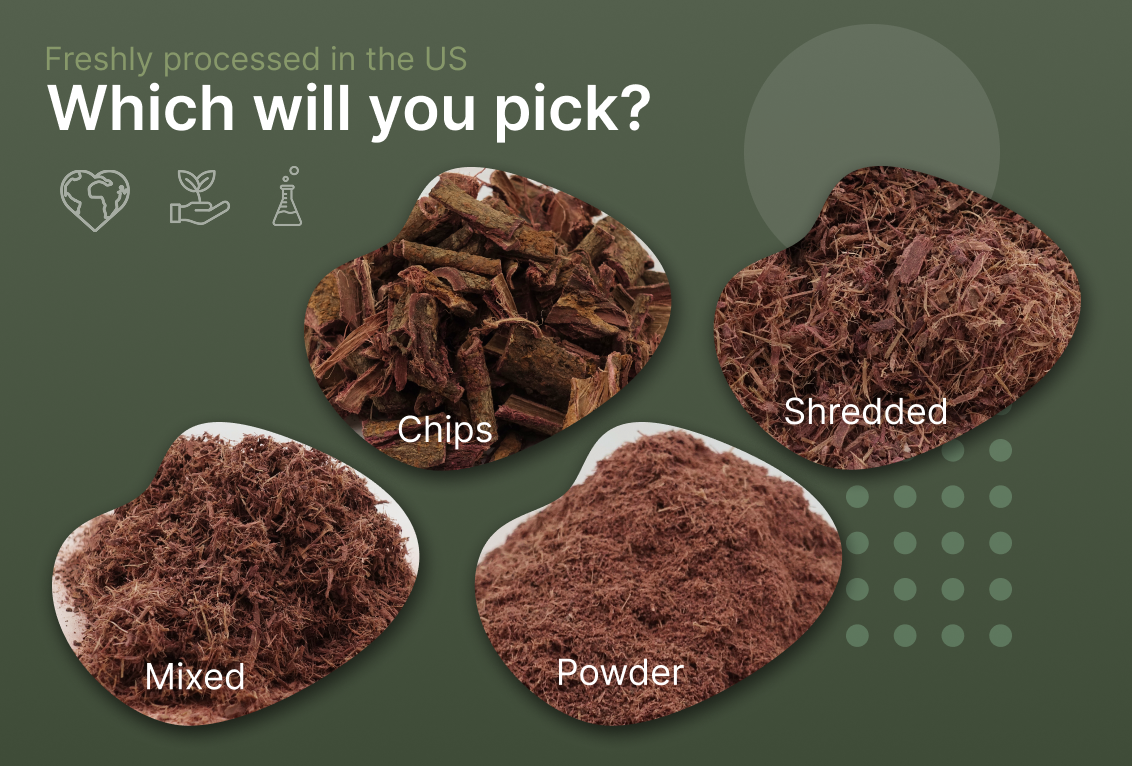
Bark powder is the raw ground form of the plant and is commonly used in masks and soaps. Extract is a more concentrated, processed version that delivers a higher dose of bioactive compounds and is typically found in serums and targeted treatments.
Q5: Can Mimosa Tenuiflora be used on the body as well as the face?
Absolutely. It is actually widely used on the body for stretch marks, burns, scarring, eczema, and dry skin. Salves and body lotions containing Mimosa Tenuiflora are excellent options for larger surface areas beyond the face.