Natural dyeing has experienced a remarkable revival in recent years as artists, textile designers, and DIY enthusiasts rediscover the beauty of plant-based pigments. Among the many botanical dyes available, Mimosa Hostilis natural dye stands out for its ability to produce rich purples, deep burgundy tones, and earthy browns on fabric. When combined with traditional resist-dyeing methods such as tie-dye and Shibori, Mimosa Hostilis can create breathtaking patterns that feel both ancient and modern.
In this comprehensive guide, we will explore how tie-dye and Shibori techniques using Mimosa Hostilis natural dye work, how to prepare the dye, and how to achieve striking textile patterns. Whether you are a beginner exploring natural dyeing for the first time or a textile artist seeking deeper knowledge, this article will walk you through every step.
What Is Mimosa Hostilis Natural Dye?
Mimosa Hostilis, also known as Mimosa tenuiflora, is a tree native to parts of Central and South America. Its root bark has been traditionally used as a natural dye, producing shades that range from violet and plum to deep reddish-brown depending on the fabric and dye process.
The dye extracted from the root bark is highly valued among natural dyers because it provides:
- Rich, saturated color tones
- Good compatibility with natural fibers
- Unique organic color variation
When used in textile dyeing, Mimosa Hostilis interacts beautifully with fibers such as cotton, linen, silk, and wool, producing colors that feel both vibrant and earthy.
Why Use Mimosa Hostilis for Tie-Dye and Shibori?
Tie-dye and Shibori rely on resist techniques, meaning certain areas of the fabric are prevented from absorbing dye. This creates beautiful patterns once the fabric is unfolded.
Mimosa Hostilis is particularly suitable for these methods because:
- Its pigment penetrates fibers well, producing clear contrast in resist areas.
- The dye bath can be layered, allowing subtle gradients and tonal shifts.
- It reacts differently with various mordants, giving artists more creative flexibility.
When combined with folding, binding, stitching, or clamping methods, Mimosa Hostilis can generate patterns that resemble flowing clouds, waves, or geometric designs.
What Is the Difference Between Tie-Dye and Shibori?
Although both methods create patterned fabrics using resist dyeing, there are important differences between them.
Tie-dye is generally associated with twisting or tying fabric with string or rubber bands before placing it in dye. The tied sections resist the dye, forming circular or spiral patterns.
Shibori, on the other hand, is a Japanese resist-dyeing technique with a much broader range of methods. These include folding, stitching, binding, and clamping to produce complex designs.
While tie-dye is often playful and freeform, Shibori tends to be more structured and intentional, resulting in intricate repeating patterns.
When using Mimosa Hostilis dye, both techniques produce stunning results.
Materials Needed for Mimosa Hostilis Tie-Dye and Shibori
Before beginning the dyeing process, it is important to gather the necessary materials. Working with natural dyes requires preparation, but the results are well worth the effort.
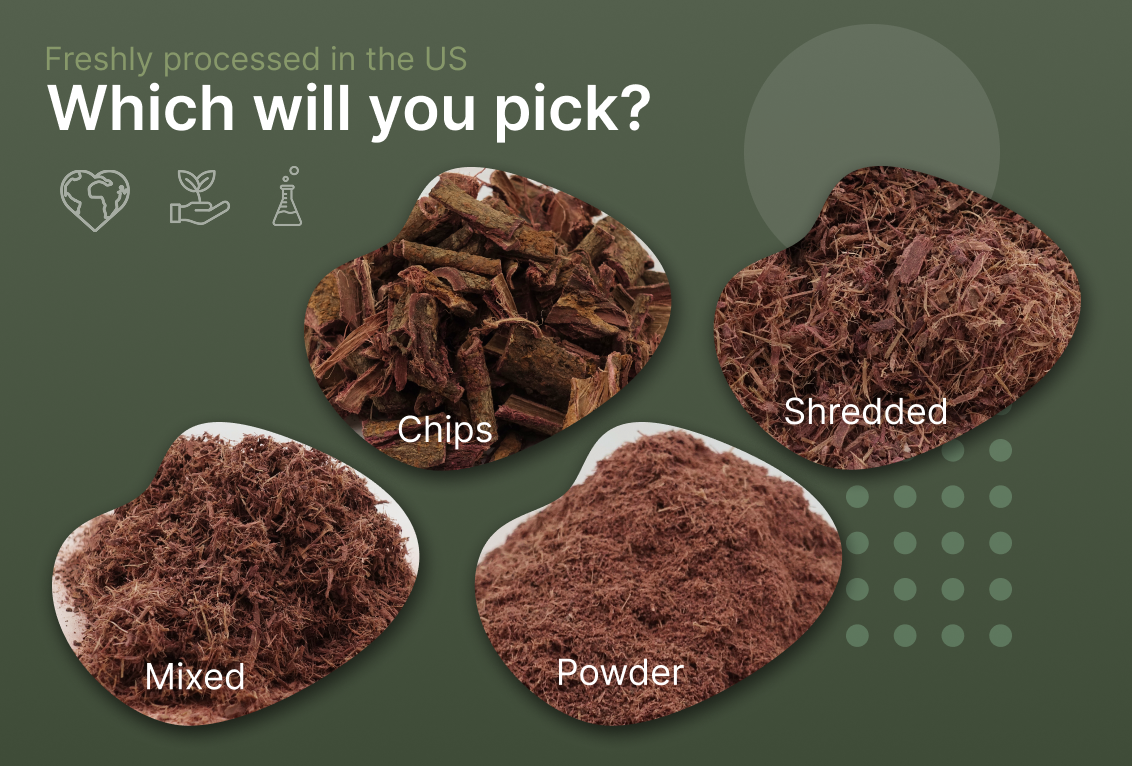
You will need Mimosa Hostilis root bark powder or shredded bark, which serves as the dye source. Natural fiber fabrics such as cotton, hemp, silk, or wool are essential because synthetic fabrics generally do not absorb plant dyes well.
Other materials include pots for dye preparation, rubber bands or string for tie-dye, wooden blocks or clamps for Shibori, and a mordant such as alum to help fix the dye onto the fabric.
Having dedicated tools for natural dyeing is recommended since plant pigments can permanently stain equipment.
How to Prepare Mimosa Hostilis Dye
Extracting Color From Mimosa Hostilis Root Bark
Preparing the dye bath is the foundation of successful natural dyeing.
Start by placing the Mimosa Hostilis root bark into a stainless steel pot filled with water. The mixture should be gently simmered for approximately one hour. During this process, the pigments gradually release into the water, turning the liquid a deep reddish-purple color.
After simmering, strain the liquid to remove plant particles. The remaining liquid becomes the dye bath.
For stronger colors, dyers often repeat the simmering process using the same bark to extract additional pigment.
How to Prepare Fabric for Natural Dyeing
Before dyeing, fabrics must be clean and mordanted.
Scouring the fabric removes oils, dirt, and manufacturing residues that can prevent dye from bonding with fibers. This usually involves washing the fabric in hot water with a mild detergent or soda ash.
After scouring, the fabric is treated with a mordant. Mordants help bind natural dye molecules to the fibers, improving color longevity.
Alum is one of the most commonly used mordants because it enhances color while remaining relatively gentle on fabrics.
Once mordanted, the fabric is ready for tie-dye or Shibori patterning.
Tie-Dye Techniques Using Mimosa Hostilis
Classic Spiral Tie-Dye Pattern
The spiral is one of the most recognizable tie-dye designs. To create this pattern, lay the fabric flat and pinch the center. Twist the fabric until it forms a spiral shape, then secure it with rubber bands.
When submerged in the Mimosa Hostilis dye bath, the exposed sections absorb pigment while the compressed areas resist it. Once untied, the fabric reveals swirling purple and burgundy patterns.
Because Mimosa Hostilis produces natural color variation, each spiral pattern appears slightly different.
Crumple Tie-Dye Technique
The crumple method creates organic, stone-like patterns. Simply crumple the fabric loosely and bind sections with string or rubber bands.
This technique allows the dye to reach random parts of the cloth while leaving others untouched, resulting in beautiful marbled textures.
With Mimosa Hostilis dye, crumple tie-dye often produces patterns resembling natural minerals or clouds.
Traditional Shibori Techniques With Mimosa Hostilis
Itajime Shibori (Fold and Clamp Technique)
Itajime Shibori is one of the most visually striking methods. The fabric is folded repeatedly into squares or triangles, then clamped between wooden blocks.
The blocks act as resist barriers that prevent dye from reaching certain areas. After dyeing and unfolding, the fabric reveals bold geometric patterns.
Using Mimosa Hostilis dye creates deep purple shapes contrasted against lighter backgrounds, giving the design a dramatic appearance.
Arashi Shibori (Pole Wrapping Technique)
Arashi Shibori involves wrapping fabric around a pole and binding it tightly with thread. The fabric is then scrunched downward along the pole before dyeing.
This technique produces diagonal lines that resemble rainfall, which is why the name Arashi translates to “storm.”
When dyed with Mimosa Hostilis, Arashi Shibori fabrics often display dynamic streaks of violet and reddish-brown.
Kumo Shibori (Pleated Binding Technique)
Kumo Shibori creates spiderweb-like designs through precise pleating and binding.
Small sections of fabric are gathered and bound tightly with thread. These bound areas resist dye, forming delicate circular motifs.
Because Mimosa Hostilis produces soft gradients, Kumo Shibori patterns appear almost watercolor-like after dyeing.
Dyeing Process: Applying Mimosa Hostilis Dye to Fabric
Once the fabric has been tied, folded, or bound, it is ready for the dye bath.
The prepared fabric is gently immersed in the Mimosa Hostilis dye solution and allowed to soak. The length of time determines the intensity of the color. Some artists leave the fabric for thirty minutes, while others allow it to sit for several hours.
During dyeing, the fabric can be moved occasionally to ensure even saturation.
After dyeing, the fabric is removed and allowed to cool before being rinsed thoroughly with cool water.
How Color Variations Occur With Mimosa Hostilis Dye
One of the most fascinating aspects of natural dyeing is the way colors shift depending on conditions.
Mimosa Hostilis dye may produce different shades depending on the pH level of the dye bath, the type of fiber used, and the mordant applied.
For example, cotton might yield softer purples, while silk can produce richer burgundy tones. Slight changes in acidity can also shift the dye toward brown or magenta hues.
This unpredictability is part of what makes natural dyeing so exciting.
Tips for Achieving Stronger Natural Dye Colors
To deepen the color produced by Mimosa Hostilis, dyers often experiment with repeated dye baths. Dyeing the same fabric multiple times can intensify the pigment dramatically.
Allowing the dyed fabric to rest overnight before rinsing can also improve color absorption.
Another helpful technique is using a higher concentration of root bark during dye extraction, which increases the amount of pigment available.
Over time, experience helps artists understand how small adjustments affect the final results.
Environmental Benefits of Natural Dyeing
Natural dyes like Mimosa Hostilis provide an environmentally friendly alternative to synthetic dyes. Conventional dyes used in the textile industry often contain chemicals that can pollute water systems.
Plant-based dyes, by contrast, are biodegradable and derived from renewable resources.
Artists who practice natural dyeing often appreciate the connection to traditional craft techniques and sustainable production methods.
Using Mimosa Hostilis responsibly allows artisans to create beautiful textiles while minimizing environmental impact.
Creative Projects Using Mimosa Hostilis Tie-Dye and Shibori
The possibilities for dyed textiles are nearly endless. Fabric dyed with Mimosa Hostilis can be transformed into clothing, scarves, pillow covers, wall hangings, or art pieces.
Many textile designers also use these techniques to produce unique fabrics for fashion collections.
Because natural dyeing rarely produces identical results, each piece becomes a one-of-a-kind work of art.
Common Mistakes to Avoid When Dyeing With Mimosa Hostilis
Beginners sometimes encounter uneven dyeing or faded colors. This usually happens when the fabric was not properly scoured or mordanted before dyeing.
Another common mistake is overheating the dye bath, which can degrade the pigment and affect the final color.
Working patiently and maintaining moderate heat during extraction helps preserve the vibrancy of the dye.
Natural dyeing rewards careful preparation and experimentation.
Conclusion
Tie-dye and Shibori techniques using Mimosa Hostilis natural dye offer a powerful blend of artistry, tradition, and sustainability. By combining plant-based pigments with resist-dyeing methods, artists can create textiles filled with depth, texture, and organic beauty.
From bold geometric patterns created through Shibori folding to spontaneous spirals produced by tie-dye, the possibilities are endless. Mimosa Hostilis adds its own character to every piece, producing rich purple and earthy tones that cannot be replicated by synthetic dyes.
As more people explore natural dyeing and slow textile crafts, Mimosa Hostilis continues to stand out as a remarkable botanical dye source. Whether you are experimenting at home or developing professional textile work, learning these techniques opens the door to a fascinating world where art, nature, and tradition come together.
Frequently Asked Questions
1. What colors can you achieve with Mimosa Hostilis natural dye?
Mimosa Hostilis natural dye typically produces a range of colors including purple, burgundy, reddish-brown, and deep earthy tones. The exact shade depends on factors such as the type of fabric, the mordant used, and the pH level of the dye bath. Silk often produces richer purple hues, while cotton may result in softer plum or brownish tones.
2. Do you need a mordant when dyeing fabric with Mimosa Hostilis?
Yes, using a mordant is highly recommended when dyeing with Mimosa Hostilis. Mordants such as alum help the natural dye bond with the fabric fibers, improving color intensity and durability. Without a mordant, the color may appear lighter and could fade more quickly after washing.
3. Which fabrics work best for tie-dye and Shibori with Mimosa Hostilis dye?
Natural fibers work best because they absorb plant dyes effectively. Cotton, linen, hemp, silk, and wool are ideal for Mimosa Hostilis dyeing. Synthetic fabrics like polyester generally do not absorb natural dyes well and may produce very faint or uneven results.
4. How long should fabric stay in the Mimosa Hostilis dye bath?
Fabric can remain in the dye bath anywhere from 30 minutes to several hours, depending on the desired color depth. Longer soaking times typically produce darker and richer shades. Some dyers also repeat the dyeing process multiple times to intensify the color.
5. Is Mimosa Hostilis dye colorfast after washing?
When the fabric is properly scoured, mordanted, and dyed, Mimosa Hostilis dye can be relatively colorfast. However, as with most natural dyes, it is best to wash dyed textiles gently in cool water and avoid harsh detergents or prolonged sun exposure to preserve the color for longer.