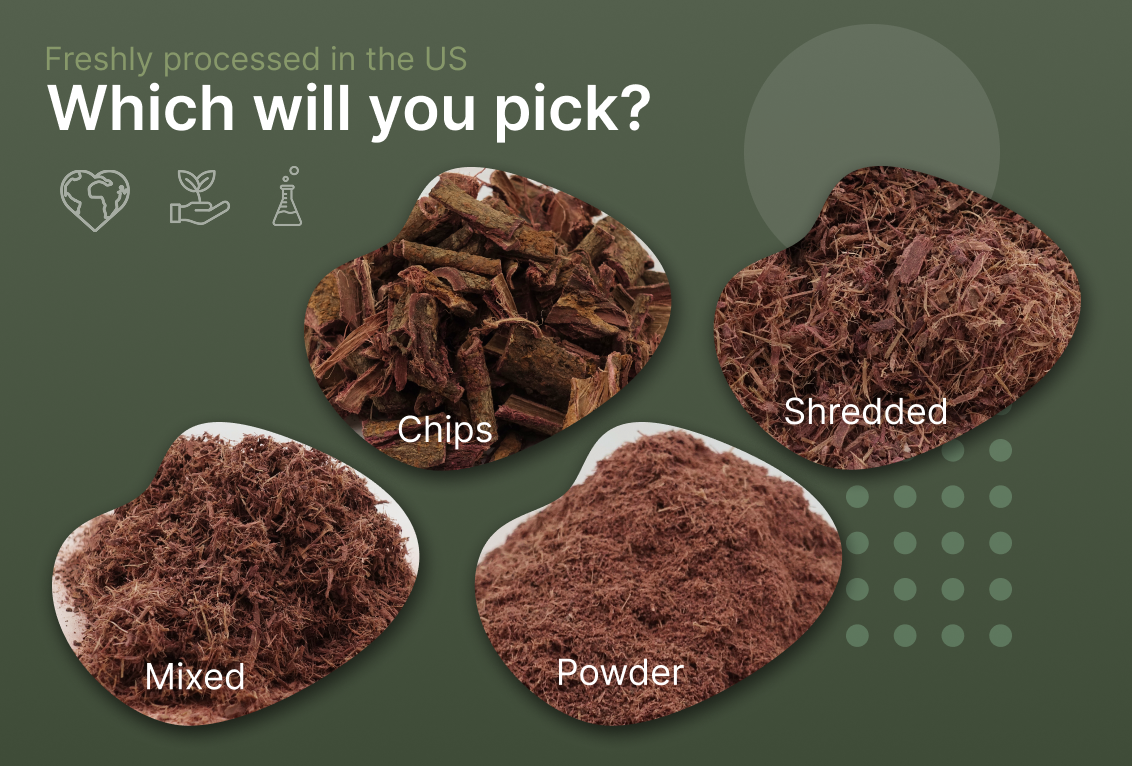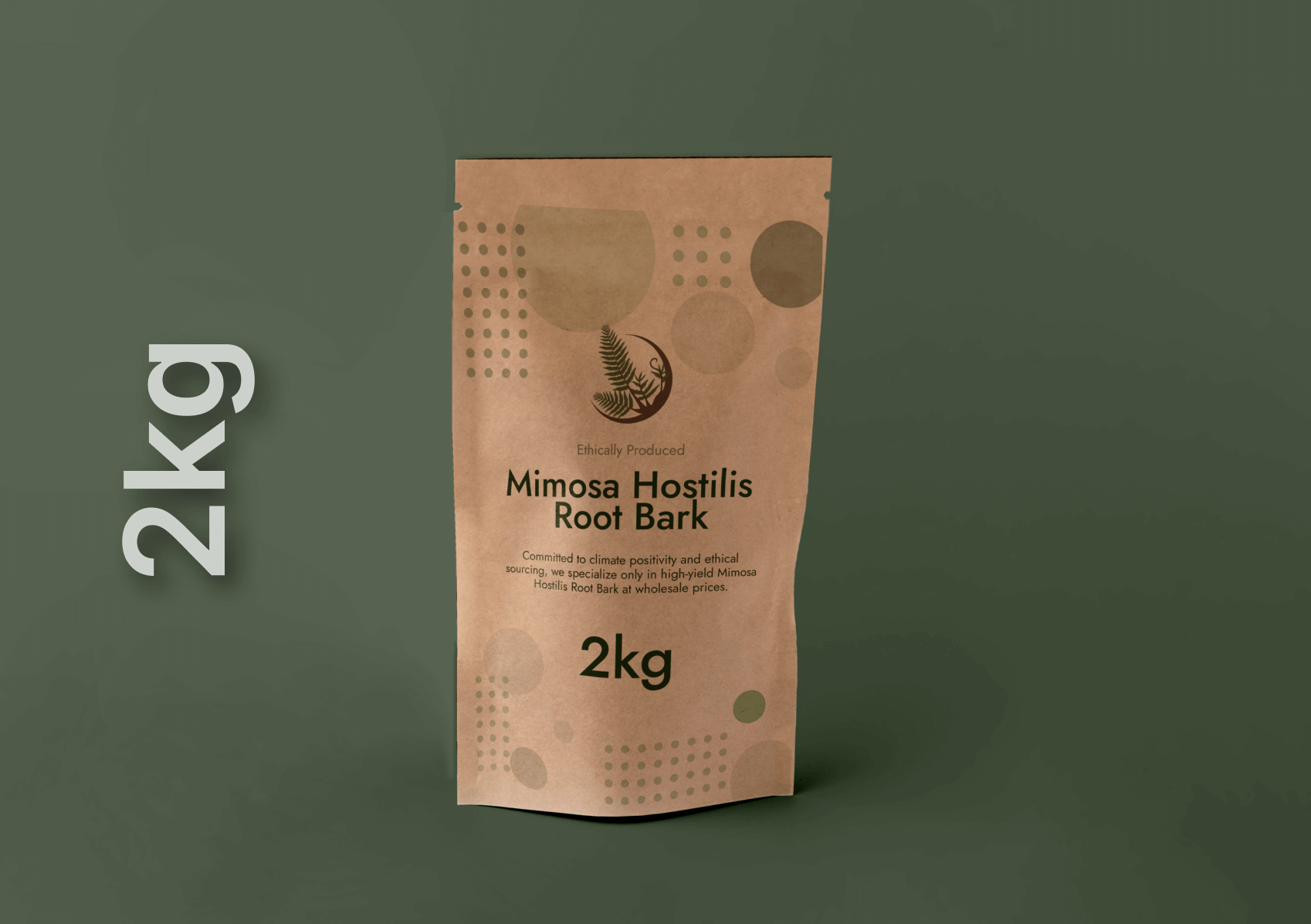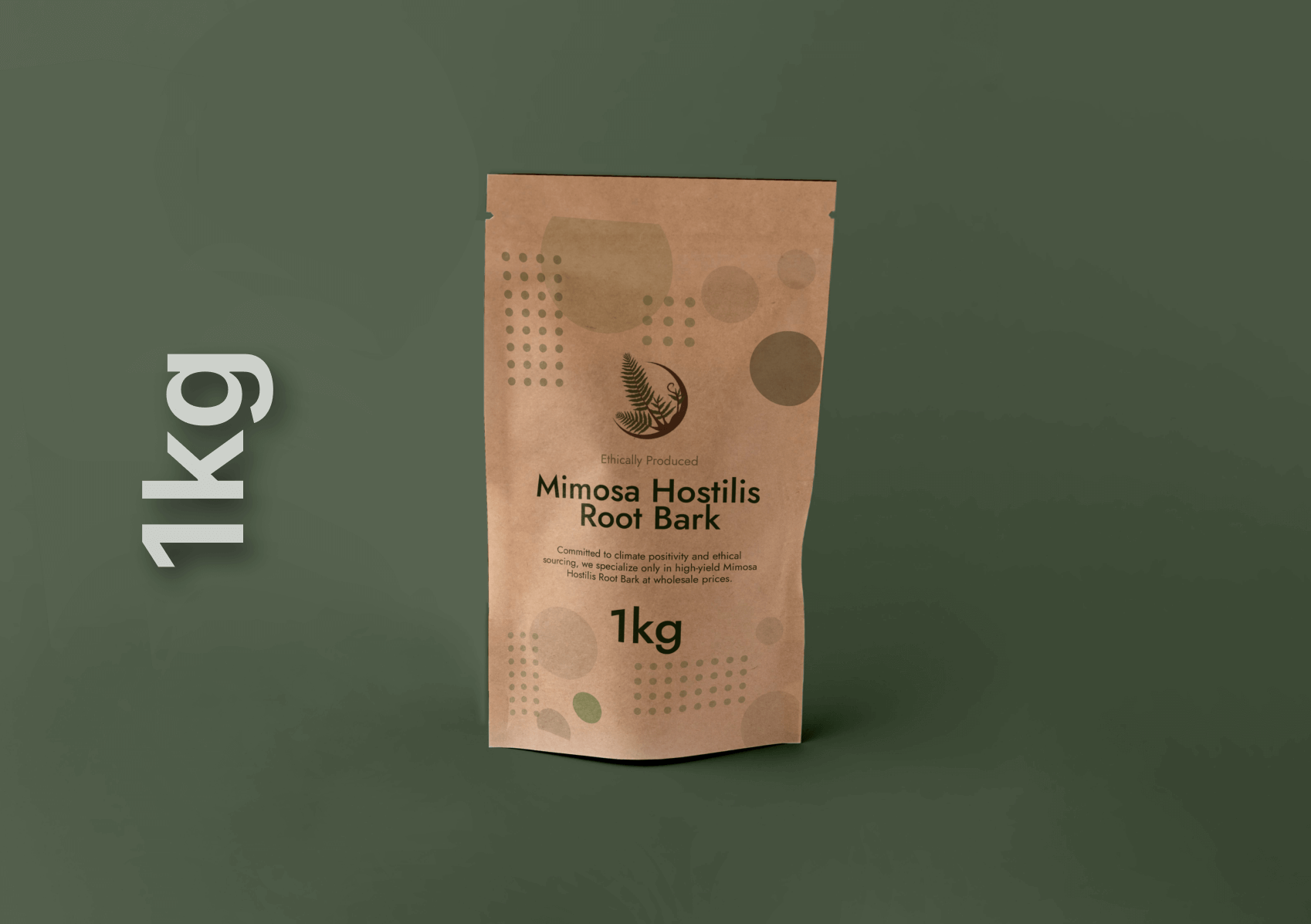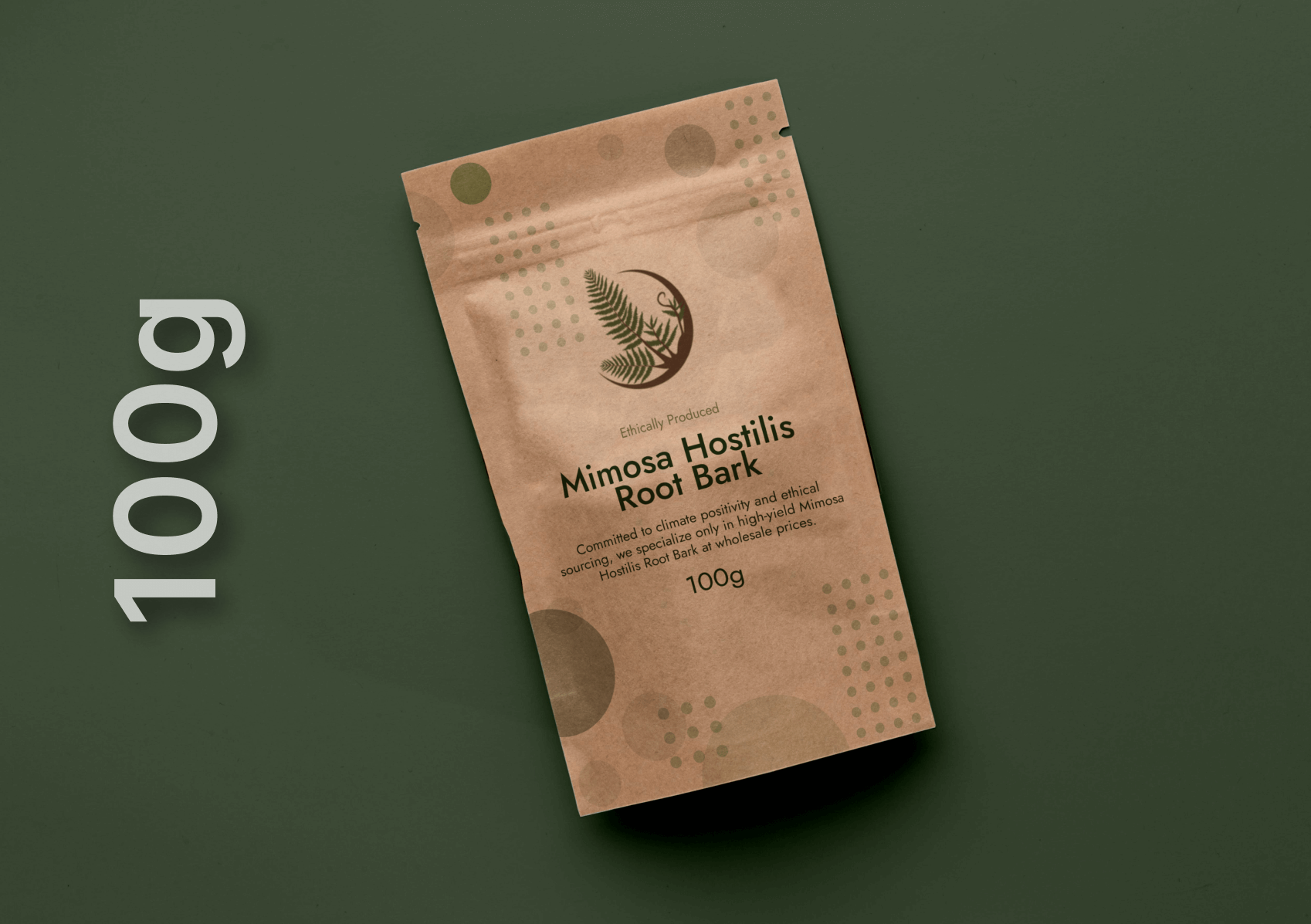
Mimosa hostilis root bark has earned global recognition for its distinctive properties, long-standing traditional uses, and exceptional natural compounds. Known scientifically as Mimosa tenuiflora, this resilient tree thrives in arid regions of Brazil and Mexico, where it has been valued for centuries for its therapeutic, cosmetic, and industrial applications. Its root bark, in particular, stands apart due to its richness in bioactive substances, extraordinary pigmentation, and unmatched versatility. Understanding what makes this botanical treasure unique requires exploring its chemistry, cultural history, and modern-day relevance across different industries.
The Botanical Distinction of Mimosa Hostilis
A Tree Adapted to Harsh Environments
Mimosa hostilis is native to semi-desert climates, where it grows in sandy, nutrient-poor soils and withstands extreme temperature fluctuations. This environment contributes to the concentration of alkaloids, tannins, flavonoids, and polysaccharides within the root bark. As a result, the plant develops a naturally fortified chemistry that enhances its protective and restorative qualities. Unlike many other botanicals, Mimosa hostilis remains remarkably resilient after forest fires, quickly regenerating its bark and roots, which further contributes to its sustainability and ongoing availability.
A Unique Combination of Natural Compounds
The biochemical composition of Mimosa hostilis root bark sets it apart. It contains a rare spectrum of complex tannins, natural dyes, and bioactive molecules that are not commonly found together in other plant species. These compounds are responsible for the bark’s vibrant crimson color, its natural binding strength in traditional crafts, and its long-standing use in herbal preparations. Its lignin content and dense cellular structure also give the root bark durability and a longer shelf life compared to many other botanicals.
Cultural and Historical Importance
A Sacred Botanical Heritage
For centuries, indigenous communities in Brazil and Mexico have relied on Mimosa hostilis root bark for its wide range of applications. It has been used as a skin-rejuvenating remedy, a natural dye for textiles, and an important component in traditional ceremonial practices. The bark’s reputation for supporting recovery and renewal made it a cornerstone of indigenous medicine. Its fine-grained texture and deep pigmentation also contributed to its use in cultural crafts, including leatherwork and fabric decoration.
Traditional Wound-Healing and Skin Care
One of the most distinctive attributes of Mimosa hostilis root bark is its long-documented use in treating burns, wounds, and skin irritations. Historical accounts describe how crushed or powdered root bark, when applied topically, helped protect the skin and promote natural healing. This remarkable property stems from its richness in anti-inflammatory agents, antioxidants, and antimicrobial compounds. These elements work synergistically to soothe the skin, reduce irritation, and encourage regeneration.
Modern-Day Applications and Scientific Interest
A Natural Ingredient in Skincare and Cosmetics
In contemporary industries, Mimosa hostilis root bark is increasingly valued for its role in natural and organic skincare formulations. Its antioxidants help defend the skin from environmental stressors, while its tannins contribute to firmness and tone. The fine powder derived from the bark is used in masks, soaps, and salves designed to support skin vitality. Its ability to nourish the skin without synthetic additives aligns with the growing demand for clean, plant-based beauty products.
A Highly Sought-After Natural Dye
One of the most visually striking features of Mimosa hostilis root bark is its deep purple-to-red coloration, which produces a natural dye admired by artisans worldwide. When processed, the bark yields a rich, stable pigment that binds effectively to cotton, wool, leather, and other natural fibers. Its dyeing capabilities outperform many botanical dyes due to its high tannin concentration, which enhances colorfastness and durability. As a result, it has become a staple among textile artists seeking eco-friendly, chemical-free alternatives.
Research Into Antioxidant and Antimicrobial Potential
Ongoing scientific interest continues to highlight the bark’s abundance of flavonoids, alkaloids, and natural saponins, all of which contribute to its impressive antioxidant and antimicrobial properties. These findings support its traditional uses and suggest potential future applications in botanical therapeutics, natural preservative systems, and holistic skincare. Its capacity to neutralize free radicals and limit microbial growth makes it a compelling subject for further research.
Its Unmatched Pigmentation and Tannin Profile
The Source of Its Distinctive Color
The vibrant reddish-purple tones of Mimosa hostilis root bark are a result of its unusually high pigment concentration. When the bark is shredded or powdered, these pigments become even more concentrated, producing a dye with intensity and depth rarely found in other plants. This richness is why the bark is widely used for natural fabric dyeing, ceremonial arts, and aesthetic applications requiring vivid color.
A Natural Binder With Exceptional Strength
Mimosa hostilis is known for containing high levels of condensed tannins, which not only contribute to its pigmentation but also give the bark a natural binding ability. This makes it valuable for:
-
Leather tanning
-
Textile strengthening
-
Traditional adhesives
-
Natural ink production
The tannin-rich composition ensures that the materials dyed or treated with the bark gain longevity and enhanced resistance to degradation.
Ethical Sourcing and Sustainability
Responsible Harvesting Practices
Ethical harvesting of Mimosa hostilis root bark is essential for preserving its availability and safeguarding ecosystems. Sustainable practices focus on selective collection that does not damage the tree’s ability to regenerate. Because Mimosa hostilis naturally regrows quickly after environmental disturbances, it can be responsibly harvested without long-term ecological impact when handled properly.
Supporting Indigenous Communities
The global demand for Mimosa hostilis root bark has created opportunities for local and indigenous communities that cultivate and process the plant. Ethical sourcing initiatives ensure that these communities benefit fairly from the trade, thereby helping preserve traditional knowledge and local economies. Supporting sustainable harvesters helps maintain biodiversity, protect cultural heritage, and ensure long-term access to this extraordinary botanical resource.
What Truly Sets Mimosa Hostilis Root Bark Apart
A Botanical With Exceptional Versatility
Few natural materials combine the same range of qualities found in Mimosa hostilis root bark. Its unique chemistry, historical significance, aesthetic properties, and growing role in modern industries demonstrate why it continues to captivate researchers, artisans, and herbal practitioners alike. From vibrant dyes to skin-supporting formulations, its applications reflect the strength and complexity of the plant’s natural design.
A Plant Rooted in Tradition, Elevated by Science
What truly makes Mimosa hostilis root bark unique is the convergence of ancient cultural wisdom with modern scientific validation. Its properties have stood the test of time, and contemporary research continues to uncover new dimensions of its potential. Whether appreciated for its beauty, its botanical strength, or its historical depth, Mimosa hostilis root bark remains one of nature’s most remarkable gifts.
Frequently Asked Questions
1. What is Mimosa Hostilis root bark used for?
Mimosa Hostilis root bark is commonly used in natural skincare, traditional herbal preparations, textile dyeing, leather tanning, and artisanal crafts. Its rich tannins, pigments, and bioactive compounds make it extremely versatile.
2. Why is Mimosa Hostilis root bark considered unique?
Its uniqueness comes from its exceptionally high tannin levels, vibrant natural pigments, powerful antioxidant and antimicrobial properties, and its long history of traditional use in skincare and cultural practices.
3. Is Mimosa Hostilis root bark safe for topical use?
Yes, when used correctly, it is widely considered safe for topical applications such as soaps, salves, and skin masks. Its natural compounds can help soothe and protect the skin. However, individuals with sensitivities should perform a patch test first.
4. What makes Mimosa Hostilis a popular natural dye?
The root bark produces a deep red-to-purple pigment with strong binding properties. This results in vibrant, long-lasting, and eco-friendly dyes that adhere well to natural fibers like cotton, wool, and leather.
5. Is the harvesting of Mimosa Hostilis sustainable?
It can be sustainable when harvested responsibly. Mimosa Hostilis is a resilient, fast-regenerating tree, and ethical sourcing ensures minimal environmental impact while supporting local communities that rely on it for income.