Understanding Mimosa Hostilis Root Bark: The Basics
What is Mimosa Hostilis Root Bark Powder?
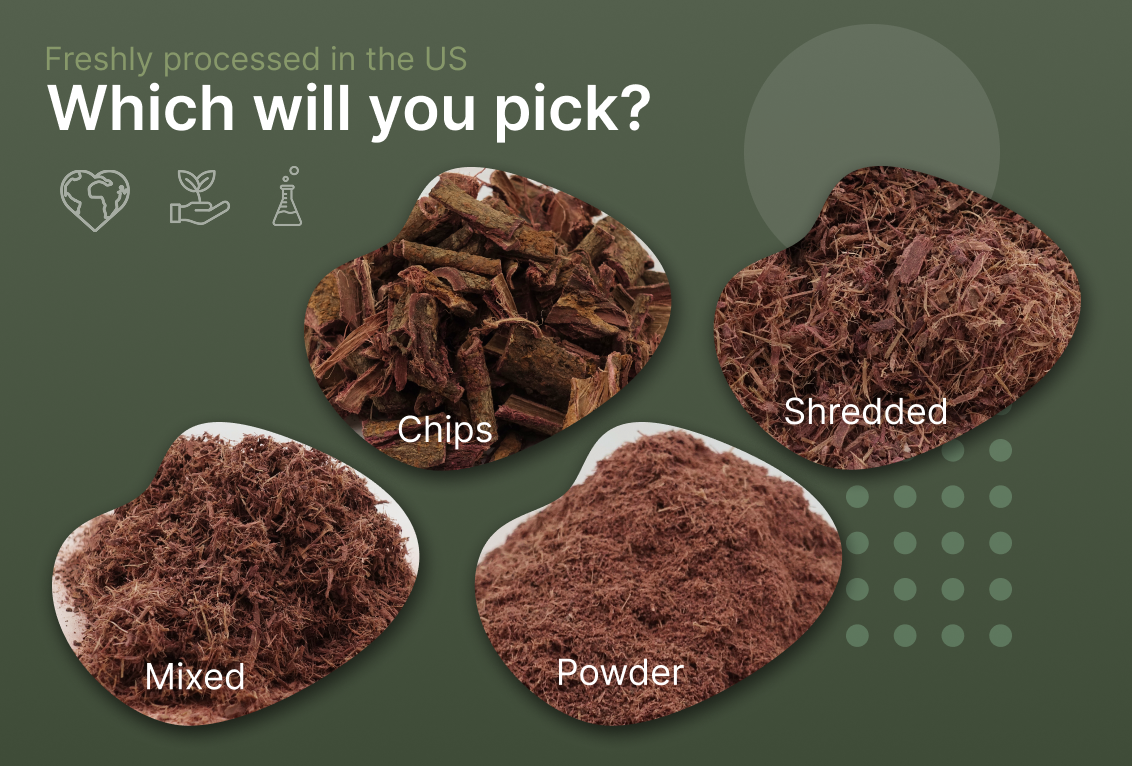
Mimosa Hostilis Root Bark (MHRB) powder is created by grinding the dried inner root bark of the Mimosa tenuiflora tree. This fine powder contains concentrated levels of tannins, flavonoids, and other active compounds that make it valuable for natural dyeing, skincare applications, and traditional medicine. The powder form offers convenience and extended shelf life compared to fresh bark, but only when stored correctly.
The quality of MHRB powder depends heavily on the processing and storage methods used. Properly prepared powder should display a characteristic reddish-brown to purple color and maintain a fine, consistent texture. Any deviation from these qualities often indicates improper handling or degradation of the active compounds.
Why Preservation Matters
The active compounds in MHRB powder are sensitive to environmental factors including light, moisture, oxygen, and temperature. Tannins, which give the bark its dyeing properties, can oxidize when exposed to air and light. This oxidation reduces the effectiveness of the powder for both dyeing and skincare applications.
Poor storage conditions can lead to mold growth, bacterial contamination, and chemical breakdown. These issues not only reduce the potency of the powder but can also create health hazards when the material is used in skincare preparations or other applications.
The Science of Degradation
Research shows that botanical powders lose their potency through several mechanisms. Oxidation breaks down phenolic compounds and tannins. Hydrolysis occurs when moisture interacts with active compounds, creating chemical changes that reduce effectiveness. Enzymatic reactions continue even in dried plant material if conditions allow.
Studies on similar botanical materials indicate that properly stored plant powders can maintain 90% of their potency for two to three years. However, improperly stored materials may lose 50% of their effectiveness within six months.
Common Storage Mistakes
Many users unknowingly damage their MHRB powder through common storage errors. Leaving powder in original plastic bags allows moisture penetration. Storing in clear containers exposes the material to harmful light. Room temperature storage in humid climates accelerates degradation.
Another frequent mistake involves using containers that aren’t completely clean and dry. Even small amounts of residual moisture or contaminants can trigger mold growth or chemical reactions that compromise the entire batch.

The Current Landscape of MHRB Storage Practices
Industry Standards and Best Practices
Professional suppliers of MHRB powder typically follow pharmaceutical-grade storage protocols. These standards include controlled temperature environments, moisture barriers, and light protection. Commercial suppliers often use nitrogen flushing to remove oxygen from storage containers, significantly extending shelf life.
The natural products industry has established guidelines for botanical powder storage based on decades of research and practical experience. These guidelines emphasize the importance of controlling environmental factors and using appropriate container materials.
Home Storage Challenges
Individual users face unique challenges that commercial suppliers don’t encounter. Home environments have variable temperature and humidity levels. Most people lack access to specialized storage equipment like vacuum sealers or nitrogen gas. Limited space often forces compromises in storage locations.
Despite these challenges, home users can achieve excellent preservation results by understanding basic principles and using readily available materials. The key lies in addressing the primary threats: moisture, oxygen, light, and temperature fluctuations.
Regional Considerations
Climate plays a significant role in storage requirements. Tropical and subtropical regions present higher humidity levels that accelerate degradation. Desert climates may have extreme temperature swings that stress stored materials. Coastal areas often have salt air that can affect metal containers.
Users in high-humidity environments must be particularly vigilant about moisture control. This may require additional desiccants or more frequent monitoring of storage conditions. Cold climate users need to prevent condensation from temperature changes.
Exploring MHRB Storage: Methods and Best Practices
Container Selection and Preparation
The choice of storage container significantly impacts preservation success. Glass jars with tight-fitting lids provide excellent moisture and oxygen barriers while being chemically inert. Amber or dark-colored glass offers additional protection from light damage.
Food-grade plastic containers can work but must be high-quality materials like HDPE or PET. Avoid containers that previously held strong-smelling substances, as botanical powders can absorb odors. Metal containers require food-grade linings to prevent chemical reactions.
Container preparation involves thorough cleaning and complete drying. Wash containers with hot soapy water, rinse thoroughly, and allow complete air drying. Any residual moisture will compromise storage effectiveness. Consider using containers that have never held food products to eliminate contamination risks.
Size matters when selecting containers. Use containers that minimize headspace – the empty air above the powder. Excessive headspace increases oxygen exposure and creates space for moisture accumulation. Multiple smaller containers often work better than one large container for this reason.
Moisture Control Techniques
Moisture represents the greatest threat to stored MHRB powder. Even small amounts can trigger mold growth or chemical degradation. Effective moisture control requires both prevention and active removal strategies.
Silica gel packets provide excellent moisture absorption for small to medium quantities of powder. Use food-grade silica gel and follow package directions for quantity ratios. Replace or regenerate silica gel packets every few months depending on environmental humidity.
Rice-based desiccants offer a natural alternative but are less effective than silica gel. Activated charcoal can help with both moisture and odor control. Some users create custom desiccant packets using food-grade materials and calcium chloride.
Monitor moisture levels using small hygrometers placed inside storage containers. Target humidity levels below 40% for optimal preservation. Digital hygrometers provide more accurate readings than analog versions and often include temperature monitoring features.
Temperature and Environmental Controls
Temperature stability matters more than absolute temperature for most storage situations. Constant cool temperatures are ideal, but avoiding temperature swings is more critical than achieving perfect coldness. Basements often provide stable temperatures but may have humidity issues.
Refrigeration can extend shelf life significantly but requires special precautions. Use airtight containers to prevent moisture condensation. Allow containers to reach room temperature before opening to avoid condensation inside. Consider vacuum-sealed bags inside containers for refrigerated storage.
Freezing provides maximum preservation but requires even more careful moisture control. Use moisture-proof containers and consider double-bagging. Label containers clearly with contents and dates. Allow complete thawing before opening containers.
Avoid storage areas with temperature fluctuations like attics, garages, or areas near heat sources. Consistent room temperature storage often outperforms poorly controlled cold storage. Monitor temperature with min/max thermometers to understand environmental variations.
Light Protection and Location Selection
Light exposure breaks down many active compounds in botanical materials. Ultraviolet light is particularly damaging, but even visible light can cause degradation over time. Complete darkness provides optimal protection.
Choose storage locations away from windows, artificial lighting, and other light sources. Closets, pantries, and basement storage areas typically offer good light protection. If using clear containers, store them inside opaque boxes or cabinets.
Amber glass containers filter harmful wavelengths while allowing visual inspection of contents. Dark-colored containers provide complete light protection but prevent visual monitoring of the powder condition. Balance protection needs with practical access requirements.
Consider the lighting in areas where you’ll handle the powder. Minimize exposure time to bright lights during use. Work in dimmer conditions when possible, and return powder to dark storage immediately after use.
Oxygen Exclusion Methods
Oxygen promotes oxidation reactions that degrade active compounds. Reducing oxygen exposure significantly extends storage life and maintains potency. Several practical methods can achieve oxygen reduction in home storage situations.
Vacuum sealing removes most air from storage bags but requires specialized equipment. Food vacuum sealers work well for smaller quantities. Use puncture-resistant bags designed for long-term storage. Consider double-sealing for extra protection.
Nitrogen flushing replaces air with inert nitrogen gas. Home nitrogen systems are available but represent a significant investment. Wine preservation systems use nitrogen and argon gases that can work for botanical storage in smaller quantities.
Oxygen absorber packets provide a simpler alternative for many users. These packets contain iron compounds that chemically remove oxygen from sealed containers. Use appropriate packet sizes for container volumes and replace periodically.
Displacement methods use harmless gases like carbon dioxide to push out oxygen. Dry ice can create carbon dioxide atmospheres but requires careful handling. Some users employ wine preservation techniques adapted for botanical storage.
Monitoring and Maintenance Protocols
Regular monitoring prevents small problems from becoming major losses. Establish inspection schedules based on storage conditions and environmental factors. Monthly checks work well for most situations, with more frequent monitoring in challenging conditions.
Visual inspection reveals many potential problems early. Look for color changes, clumping, or visible moisture. Smell can indicate mold or other contamination issues. Texture changes often signal moisture problems or degradation.
Document storage conditions and inspection results. Keep logs of temperature, humidity, and visual observations. This information helps identify trends and optimize storage conditions. Digital photos can document condition changes over time.
Replace desiccants and oxygen absorbers according to manufacturer recommendations. Refresh storage containers periodically to maintain effectiveness. Consider seasonal adjustments for changing environmental conditions.
Establish rotation systems for large quantities. Use older stock first while maintaining reserve supplies. This prevents accumulation of aged material and ensures consistent quality for applications.
Troubleshooting Common Storage Problems
Mold growth is the most serious storage problem, requiring immediate action. Remove affected material and thoroughly clean containers before reuse. Improve moisture control and air circulation to prevent recurrence. Consider environmental changes that may have contributed to the problem.
Clumping usually indicates moisture exposure but can sometimes be reversed. Gentle breaking up may restore powder consistency if caught early. Severe clumping often signals irreversible damage requiring replacement of the affected material.
Color changes can indicate oxidation or other chemical degradation. Slight darkening may be acceptable, but dramatic color shifts suggest significant compound breakdown. Compare stored powder to fresh samples when possible to assess changes.
Odor development can signal contamination or chemical changes. Fresh MHRB powder should have a mild, earthy smell. Strong, unusual, or unpleasant odors warrant careful evaluation and possible disposal of affected material.
Container failure requires immediate attention to prevent further damage. Transfer material to new containers promptly. Evaluate what caused the failure to prevent similar problems in the future. Document issues for reference in future storage planning.
Special Considerations for Different Applications
Natural dyeing applications can tolerate some degradation better than skincare uses. Dye properties may remain effective even when some oxidation has occurred. However, color consistency requires stable storage conditions to maintain predictable results.
Skincare applications demand the highest storage standards since compromised material can cause skin reactions. Use pharmaceutical-grade storage practices for powder intended for cosmetic use. Consider smaller container sizes to minimize exposure time.
Research applications require documented storage conditions and chain of custody. Maintain detailed records of storage environment, handling procedures, and any observed changes. Use scientific-grade storage containers and monitoring equipment when possible.
Traditional ceremonial uses often have specific requirements for material handling and storage. Research appropriate cultural practices and incorporate them into storage protocols. Respect traditional knowledge while applying modern preservation techniques.
Commercial storage for resale requires compliance with applicable regulations and industry standards. Implement quality control procedures and documentation systems. Consider insurance and liability issues related to product quality and shelf life claims.
Cost-Effective Storage Solutions
Effective preservation doesn’t require expensive equipment for most users. Focus investment on high-impact improvements like quality containers and desiccants. Prioritize moisture and light control over sophisticated temperature systems for typical quantities.
DIY solutions can work well when properly implemented. Mason jars with new lids provide excellent storage for many situations. Food-grade containers from restaurant suppliers often cost less than retail options while meeting quality requirements.
Bulk purchasing of storage supplies reduces per-unit costs. Silica gel, containers, and other materials often have significant quantity discounts. Coordinate with other users to achieve bulk pricing benefits.
Repurposing existing items can provide storage solutions. Clean supplement bottles, coffee cans with tight lids, and other containers can work when properly prepared. Ensure materials are appropriate for long-term botanical storage.
Energy costs for climate-controlled storage can be minimized through insulation and thermal mass. Basement storage often provides stable conditions without additional energy inputs. Passive climate control works better than active systems for small quantities.
Future Developments in Botanical Storage
Research continues to improve understanding of botanical preservation. New materials and techniques regularly become available to home users. Smart monitoring systems are becoming more affordable and accessible.
Nanotechnology applications in packaging materials offer improved barrier properties. Modified atmosphere packaging becomes more available for small-scale users. Bio-based storage materials provide sustainable alternatives to traditional options.
Digital monitoring and data logging help optimize storage conditions. Wireless sensors can provide remote monitoring capabilities. Smartphone apps increasingly support botanical storage management and tracking.
Sustainable storage methods align with environmental consciousness. Reusable systems reduce waste compared to disposable options. Energy-efficient preservation methods lower environmental impact while maintaining effectiveness.
Community storage cooperatives may develop to share expensive equipment and expertise. Educational resources continue to improve, helping users avoid common mistakes and optimize their preservation efforts.
Conclusion
Proper preservation of Mimosa Hostilis root bark powder requires attention to moisture control, temperature stability, light protection, and oxygen exclusion. The most effective approaches combine multiple protection strategies while remaining practical for individual users. Success depends more on consistent application of basic principles than on expensive equipment or complex procedures.
Container selection forms the foundation of effective storage, with glass jars and food-grade plastics providing reliable options for most situations. Moisture control through desiccants and proper sealing prevents the most common cause of storage failure. Light protection and temperature stability extend preservation effectiveness without requiring significant investment.
Regular monitoring and maintenance prevent small problems from causing major losses. Documentation helps optimize storage conditions over time and provides valuable information for troubleshooting issues. Appropriate storage methods should match intended applications, with skincare uses requiring higher standards than dyeing applications.
The investment in proper storage pays dividends through maintained potency, extended shelf life, and consistent results in applications. Whether used for natural dyeing, skincare preparations, or traditional purposes, properly preserved MHRB powder delivers reliable performance and value. Following these guidelines ensures that this valuable botanical resource maintains its beneficial properties throughout its useful life.
Frequently Asked Questions
How long does mimosa hostilis root bark powder last?
What is the best way to store mimosa hostilis powder?
Can I freeze mimosa hostilis root bark powder to preserve it?
How do I know if my mimosa hostilis powder has gone bad?
Should I store mimosa hostilis powder in the refrigerator?