High-grade Mimosa Hostilis Root Bark (MHRB) is valued across global botanical, cosmetic, ethnobotanical, and research markets for its consistency, purity, and integrity. Identifying superior-quality material requires a disciplined evaluation of botanical authenticity, harvesting standards, processing methods, and post-harvest handling. High-grade MHRB distinguishes itself through a combination of visual characteristics, textural integrity, aromatic profile, and documented sourcing practices. When assessed professionally, these indicators collectively signal whether the material meets the expectations of discerning buyers and institutions.
Quality assessment is not a single checkpoint; it is a continuum that begins at the point of origin and continues through storage and distribution. This article presents a comprehensive, business-focused examination of the common quality indicators of high-grade MHRB, structured to provide clarity, depth, and actionable insight without unnecessary diversion.
Botanical Authenticity and Species Verification
The foremost indicator of high-grade MHRB is verified botanical authenticity. True MHRB originates from Mimosa tenuiflora, commonly known as Mimosa hostilis. High-grade material is traceable to this specific species, with clear differentiation from visually similar but chemically and structurally distinct plants. Professional suppliers ensure species verification through field expertise, taxonomic confirmation, and supplier transparency.
Authenticity manifests in consistent inner root bark coloration and fibrous structure unique to Mimosa tenuiflora. Misidentified or substituted species typically present irregular textures, inconsistent hues, or altered aromatic profiles. In professional markets, documented species verification is not optional; it is foundational.
Inner Root Bark Purity and Separation Quality
High-grade MHRB is characterized by meticulous separation of the inner root bark from the outer layers. The inner bark contains the desired structural and chemical constituents, while the outer bark introduces impurities, woody fibers, and unnecessary bulk. Superior-quality material shows minimal to no presence of outer bark fragments.
This purity is visually evident. High-grade inner bark displays a uniform fibrous appearance with limited coarse debris. Poor separation practices result in mixed textures, excessive hardness, and diminished overall quality perception. In business-grade evaluation, clean inner bark separation directly correlates with processing expertise and supplier reliability.
Color Consistency as a Visual Quality Marker
Color consistency remains one of the most immediate and reliable indicators of MHRB quality. High-grade MHRB typically exhibits deep reddish-purple to dark brown tones, signaling proper maturity at harvest and careful post-harvest handling. Variations outside this range may indicate premature harvesting, improper drying, or prolonged exposure to environmental stressors.
Uniform coloration throughout the batch reflects standardized sourcing and controlled processing. Patchy, faded, or grayish sections often suggest oxidation, moisture damage, or age-related degradation. In professional procurement, color uniformity serves as a visual proxy for overall batch integrity.
Texture, Fiber Density, and Structural Integrity
Texture analysis provides critical insight into MHRB quality. High-grade material maintains dense, fibrous strands that resist crumbling while remaining pliable enough to process uniformly. This balance reflects optimal drying conditions and correct handling procedures.
Excessively brittle material may indicate over-drying or prolonged storage in low-humidity environments. Conversely, overly soft or spongy textures suggest residual moisture, increasing the risk of microbial growth. High-grade MHRB demonstrates structural resilience, confirming that moisture levels and drying protocols were expertly managed.
Aromatic Profile and Natural Scent Indicators
A subtle yet distinctive aroma is a hallmark of premium MHRB. High-grade material emits a mild, earthy, woody scent that reflects freshness and botanical integrity. This aroma should be clean and natural, without sour, musty, or chemical undertones.
Unpleasant odors often indicate improper storage, moisture contamination, or exposure to foreign substances. In commercial quality assessment, the aromatic profile acts as an early-warning indicator of compromised material. A consistent, natural scent reinforces confidence in sourcing and storage standards.
Harvesting Practices and Maturity Timing
Harvest timing plays a decisive role in determining MHRB quality. High-grade root bark is harvested from mature plants, ensuring fully developed fibers and stable internal composition. Immature harvesting results in thinner bark, inconsistent coloration, and reduced structural quality.
Ethical and professional harvesting practices also influence quality perception. Responsible suppliers prioritize selective harvesting that allows plant regeneration, maintaining ecological balance while ensuring consistent quality across harvest cycles. In premium markets, harvest maturity and sustainability are increasingly viewed as quality indicators rather than secondary considerations.
Drying Techniques and Moisture Control
Drying methodology significantly affects the final quality of MHRB. High-grade material undergoes controlled, gradual drying, typically in shaded, well-ventilated environments that preserve color, texture, and aroma. Rapid or high-heat drying compromises fiber integrity and accelerates degradation.
Moisture control is equally critical. Residual moisture invites mold, bacterial growth, and structural breakdown. High-grade MHRB achieves a stable moisture equilibrium that supports long-term storage without sacrificing quality. Professional suppliers routinely monitor moisture levels to maintain batch consistency.
Grinding, Cut, and Processing Uniformity
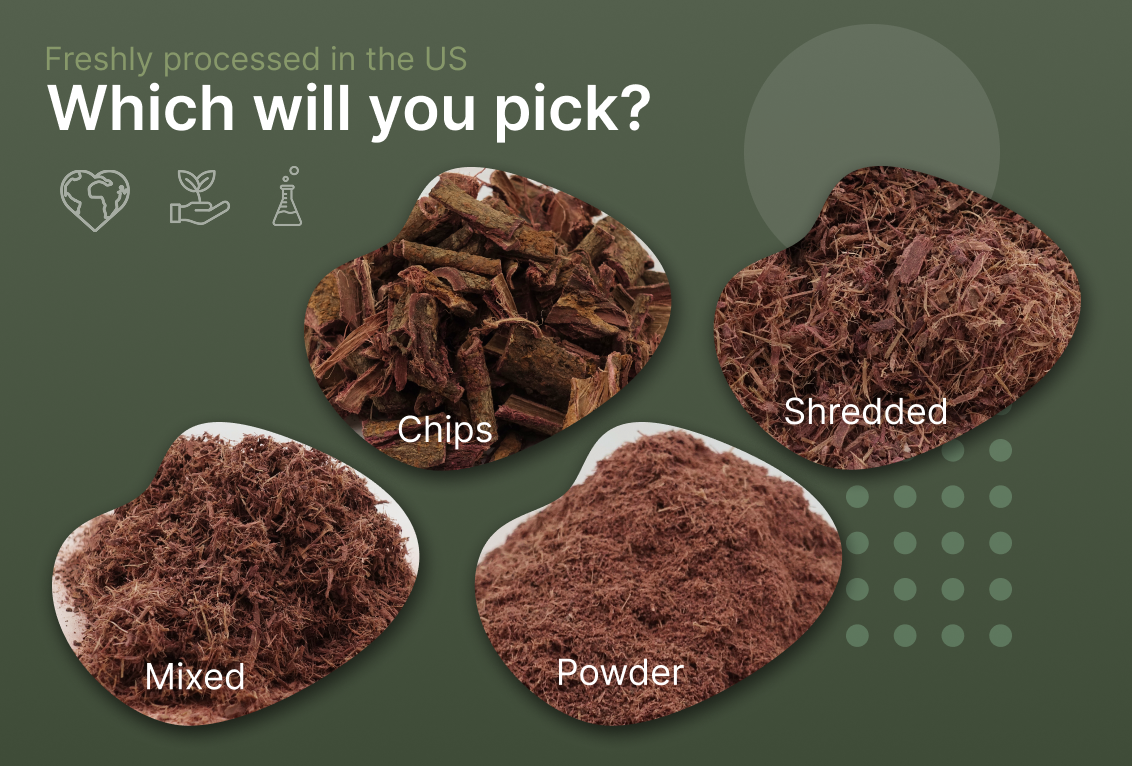
When MHRB is offered in shredded or powdered form, processing consistency becomes a key quality indicator. High-grade material is processed using clean, dedicated equipment to ensure uniform particle size and minimize contamination. Consistency in cut enhances usability across applications and reflects disciplined operational standards.
Uneven grinding, excessive dust, or foreign particulate presence signals inadequate processing controls. In business contexts, processing uniformity directly impacts customer satisfaction, repeat procurement, and brand credibility.
Storage Conditions and Shelf Stability
Post-processing storage plays a pivotal role in preserving MHRB quality. High-grade material is stored in dry, temperature-stable, light-protected environments, preventing oxidation and moisture absorption. Proper packaging further safeguards against environmental exposure.
Degradation during storage often manifests as color dulling, texture softening, or aroma loss. Suppliers who prioritize optimized storage protocols consistently deliver higher-grade material over extended periods. Shelf stability is not incidental; it is engineered.
Traceability, Documentation, and Supplier Transparency
In professional markets, documentation serves as a quality indicator in its own right. High-grade MHRB is accompanied by clear traceability, including origin details, harvest timelines, and processing methods. Transparent suppliers demonstrate confidence in their material and processes.
Traceability reduces risk, supports compliance requirements, and reinforces buyer trust. In competitive markets, suppliers offering verifiable documentation consistently outperform those relying solely on visual presentation.
Batch Consistency and Quality Assurance Standards
Consistency across batches is a defining characteristic of high-grade MHRB. Reliable suppliers implement quality assurance protocols that ensure each batch aligns with established benchmarks for color, texture, purity, and aroma. This consistency is essential for institutional buyers and long-term contracts.
Inconsistent batches undermine operational planning and erode confidence. High-grade suppliers invest in standardized evaluation criteria, reinforcing predictability and professional credibility.
Market Reputation and Professional Validation
Finally, market reputation serves as an external validation of MHRB quality. High-grade material is associated with suppliers known for long-term reliability, ethical sourcing, and professional conduct. Peer recognition, repeat partnerships, and sustained demand all reflect underlying quality standards.
In mature markets, reputation is cumulative. Suppliers delivering high-grade MHRB consistently build trust that transcends individual transactions, positioning themselves as preferred partners rather than interchangeable vendors.
Conclusion: Defining High-Grade MHRB Through Integrated Quality Indicators
High-grade MHRB is defined not by a single attribute but by an integrated set of quality indicators spanning authenticity, purity, processing, storage, and transparency. Each factor reinforces the others, creating a holistic quality profile that withstands professional scrutiny.
By focusing on botanical verification, inner bark purity, color consistency, fiber integrity, aromatic clarity, controlled drying, precise processing, and transparent sourcing, buyers and suppliers alike establish a shared standard of excellence. In competitive environments where quality determines credibility, understanding and applying these indicators ensures informed decision-making and sustained success.
Frequently Asked Questions
1: How can high-grade MHRB be visually identified?
High-grade MHRB can be visually identified by its consistent deep reddish-purple to dark brown coloration, clean fibrous texture, and minimal presence of outer bark or woody debris. Uniform appearance across the batch is a strong indicator of careful harvesting and processing.
2: Why is inner root bark purity important in MHRB quality?
Inner root bark purity is critical because it reflects proper separation techniques and professional handling. High-grade MHRB contains predominantly inner bark, which ensures cleaner material, better consistency, and higher overall quality compared to mixed or poorly separated bark.
3: Does aroma indicate the quality of MHRB?
Yes, aroma is an important quality indicator. High-grade MHRB has a mild, natural, earthy scent. Musty, sour, or chemical-like odors may indicate moisture issues, poor storage conditions, or degradation of the material.
4: How do drying and storage affect MHRB quality?
Controlled drying and proper storage are essential for maintaining quality. High-grade MHRB is slowly dried in ventilated conditions and stored in dry, light-protected environments. Improper drying or storage can lead to color fading, texture breakdown, or microbial contamination.
5: Why is supplier transparency important when sourcing high-grade MHRB?
Supplier transparency ensures traceability, consistency, and trust. High-grade MHRB suppliers provide clear information about origin, harvesting practices, and processing methods, which helps buyers verify quality standards and maintain long-term procurement confidence.