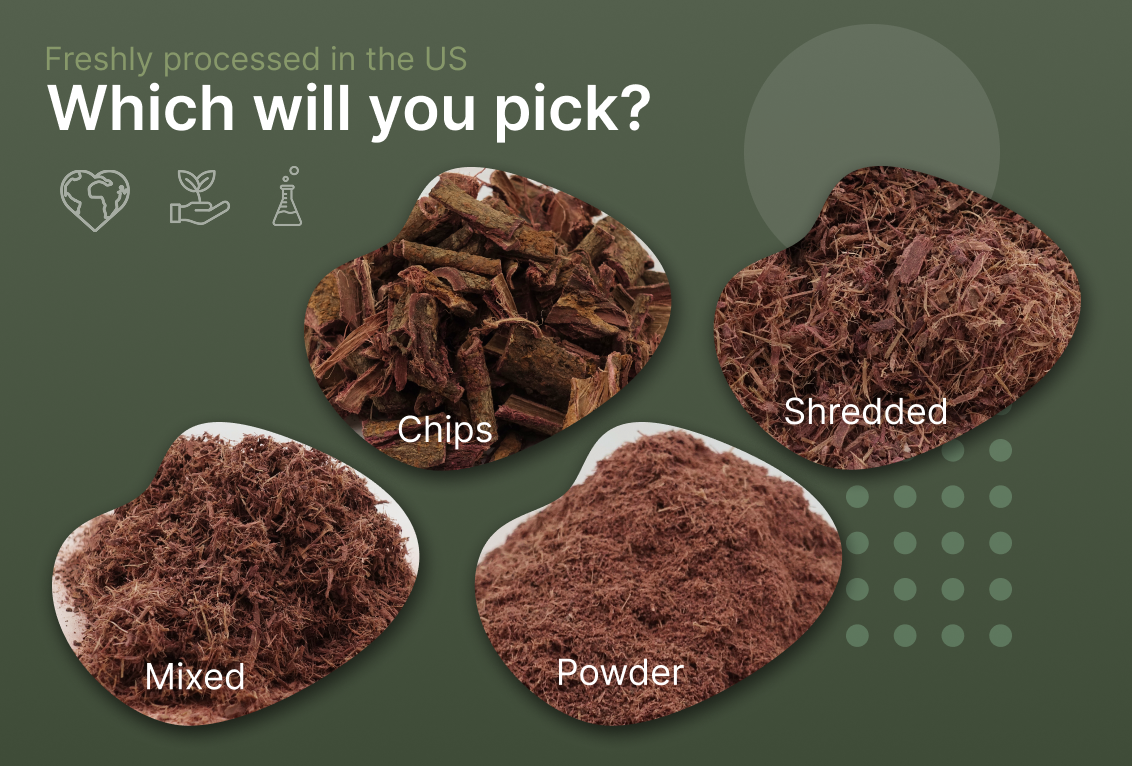
The idea of incorporating Mimosa Hostilis into a daily routine is appealing, but it’s important to consider individual health needs and goals. While some may benefit from its healing and regenerative properties, others may not require daily use, especially if they do not have specific skin or inflammatory conditions that need treatment.
Mimosa Hostilis, also known as Jurema Preta, is a tree with a long history of traditional use in South America, particularly in Brazil and Mexico. Revered for its medicinal properties, this tree’s root bark has been used for centuries in various healing practices, spiritual rituals, and even as a natural dye. As interest in natural health remedies continues to grow, many people are curious about whether Mimosa Hostilis could be beneficial as part of a daily wellness routine. But should everyone take Mimosa Hostilis daily, and if so, how can it be incorporated into a regular regimen?
Understanding the Benefits of Mimosa Hostilis
Mimosa Hostilis is known for its rich concentration of bioactive compounds, which contribute to its various health benefits. Some of the most notable benefits include:
1. Skin Healing and Regeneration: The root bark of Mimosa Hostilis is often used in skincare products due to its ability to promote skin healing and regeneration. It has been traditionally applied to treat wounds, burns, and other skin conditions.
2. Anti-Inflammatory Properties: Mimosa Hostilis has natural anti-inflammatory properties, which can help reduce inflammation in the body. This makes it a potential remedy for conditions such as arthritis or other inflammatory disorders.
3. Antimicrobial Effects: The tree has demonstrated antimicrobial properties, which can help protect the body from harmful bacteria and infections. This makes it useful in treating minor cuts, scrapes, and other skin issues.
4. Spiritual and Emotional Well-Being: In certain traditional cultural contexts, Mimosa Hostilis has been associated with ceremonial and ritual practices in parts of Central and South America. While these historical uses are not relevant to everyone today, they reflect the plant’s longstanding cultural and ethnobotanical significance rather than any modern therapeutic application.
Who Might Benefit from Daily Use:
• Individuals with Chronic Skin Conditions: Those suffering from persistent skin issues such as eczema, psoriasis, or acne may find daily use of Mimosa Hostilis-based products beneficial.
• People with Inflammatory Disorders: Individuals dealing with chronic inflammation, such as arthritis, might benefit from the anti-inflammatory effects of Mimosa Hostilis.
Who Should Exercise Caution:
• Pregnant or Nursing Women: The effects of Mimosa Hostilis during pregnancy and lactation are not well-studied, so it’s advisable to avoid daily use during these times.
• Individuals with Allergies: Anyone with a known allergy to plants in the Mimosa genus should avoid using Mimosa Hostilis products.
• Those with No Specific Health Needs: If you don’t have a particular need for its benefits, daily use may not be necessary and could be reserved for occasional use instead.
How to Incorporate Mimosa Hostilis into a Daily Routine
For those interested in exploring the benefits of Mimosa Hostilis, here are some ways to incorporate it into a daily routine:
1. Skincare Products: Use creams, balms, or lotions infused with Mimosa Hostilis extract for daily skin care, especially if you have conditions that require healing or anti-inflammatory support.
2. Herbal Supplements: While less common, Mimosa Hostilis can be found in some herbal supplement forms. These should be used cautiously, and it’s best to consult with a healthcare provider before beginning any new supplement regimen.
3. Natural Dyes: If you’re an artisan or enjoy DIY projects, using Mimosa Hostilis as a natural dye can be a creative way to incorporate it into your daily activities.
Conclusion
Mimosa Hostilis offers a range of potential benefits, particularly for those with specific skin or inflammatory conditions, or for individuals involved in spiritual practices. However, daily use should be considered on a case-by-case basis, taking into account personal health needs, potential allergies, and the specific benefits you seek to achieve.
As with any natural remedy, it’s important to use Mimosa Hostilis with respect for its traditional uses and to consult with a healthcare provider if you have any concerns about incorporating it into your daily routine. While it may not be necessary or beneficial for everyone to take Mimosa Hostilis daily, for those who do, it can be a valuable addition to a holistic wellness regimen.
Frequently Asked Questions
1. Is it safe to use Mimosa Hostilis daily?
Daily use of Mimosa Hostilis depends on the product type and individual needs. Most commonly, Mimosa Hostilis root bark is used in topical skincare formulations. If using regularly, it is advisable to monitor how your skin responds and consult a professional if you have concerns.
2. What are the main benefits of Mimosa Hostilis for skin?
Mimosa Hostilis is valued in natural skincare for its traditional use in supporting skin repair and maintaining healthy-looking skin. It is commonly included in creams, balms, and soaps designed for dry or irritated skin.
3. Can Mimosa Hostilis help with inflammatory skin conditions?
Mimosa Hostilis is traditionally associated with soothing properties, which is why it is sometimes included in products formulated for sensitive or stressed skin. However, it should not replace professional medical treatment for chronic skin conditions.
4. Is Mimosa Hostilis only used for skincare?
No. In addition to skincare, Mimosa Hostilis is widely used as a natural dye for textiles and artisan crafts. Its rich tannin content makes it popular among natural fabric dyers and handmade product creators.
5. Who should avoid using Mimosa Hostilis products?
Individuals who are pregnant, nursing, allergic to plants in the Mimosa genus, or have highly sensitive skin should consult a healthcare professional before regular use. A patch test is recommended before applying any new botanical product.