When the skincare world started buzzing about plant-based retinol alternatives, two names began rising to the surface: Bakuchiol and Mimosa Hostilis. Most people have heard of Bakuchiol by now. It has been on beauty shelves, in dermatologist conversations, and across skincare blogs for years. But Mimosa Hostilis? That one tends to make people pause. And that pause is worth exploring, because the ingredient hiding in the shadow of Bakuchiol’s popularity might actually deserve a much bigger spotlight.
What Is Bakuchiol and Why Did It Get So Popular?
Bakuchiol is a meroterpene compound extracted from the seeds and leaves of the Psoralea corylifolia plant, commonly known as Babchi. It became the darling of the clean beauty movement largely because it was marketed as a plant-based alternative to retinol that delivered similar results without the irritation, peeling, and sun sensitivity that synthetic retinol often causes.
Several clinical studies supported its popularity. Research showed that Bakuchiol could visibly reduce fine lines, improve skin texture, boost collagen synthesis, and even out hyperpigmentation, all without the harsh side effects of retinoids. This made it particularly appealing to people with sensitive skin, pregnant women who were told to avoid retinol, and consumers who simply preferred natural ingredient profiles.
How Bakuchiol Works on the Skin
Bakuchiol works by activating retinol receptors in the skin, which is why it is often described as a “functional analog” of retinol. It does not have the same chemical structure as retinol, but it interacts with similar biological pathways. This means it can stimulate collagen production, accelerate cell turnover, and regulate gene expression related to aging, all hallmarks of retinol activity.
It also carries antioxidant and anti-inflammatory properties, which is part of why it does not cause the redness and irritation that traditional retinoids tend to produce.
What Is Mimosa Hostilis and Why Is It Underrated?
Mimosa Hostilis, also known as Mimosa tenuiflora or Jurema Preta, is a tree native to northeastern Brazil and parts of Mexico. While it is most widely recognized in ethnobotanical and ceremonial contexts, its bark, particularly the inner root bark, has a rich history of medicinal and wound-healing use in indigenous communities.
In skincare, Mimosa Hostilis is gaining attention for its remarkably high concentration of bioactive compounds including tannins, flavonoids, saponins, lupeol, and methoxymethyltryptamine (MMT). What makes it especially compelling is its documented ability to regenerate skin tissue, which is something very few natural ingredients can claim with credible backing.
The Skin Regeneration Angle Nobody Talks About Enough
What gives Mimosa Hostilis a compelling edge over many botanical ingredients is its historical use in treating burns and wounds. Communities in Brazil have used preparations from Mimosa tenuiflora bark to treat severe burns and skin injuries for centuries. This is not just folklore. Studies conducted on burn patients showed that formulations containing Mimosa tenuiflora extract helped speed up re-epithelialization, reduce inflammation, and support the skin’s natural healing process.
When you apply that level of regenerative potential to cosmetic use, the implications are significant. For aging skin, damaged skin, or skin dealing with scarring and uneven texture, this is a powerhouse ingredient that most mainstream skincare lines have barely touched.
Mimosa Hostilis vs. Bakuchiol: A Direct Comparison
Anti-Aging Benefits
Both ingredients target the signs of aging, but they do so through different mechanisms. Bakuchiol primarily works by mimicking retinol’s receptor activity, making it excellent for stimulating collagen, reducing fine lines, and improving skin firmness. It is well-studied in this specific context and has peer-reviewed clinical data to back up these claims.
Mimosa Hostilis, on the other hand, approaches aging from a tissue-regeneration angle. Its tannin content helps tighten and tone the skin, while its flavonoids neutralize free radicals that accelerate cellular aging. Lupeol, one of the key compounds in Mimosa Hostilis, has been shown in research to inhibit inflammatory enzymes, which is relevant because chronic low-grade inflammation is one of the primary drivers of skin aging.
So while Bakuchiol works more like a retinol mimic, Mimosa Hostilis works more like a comprehensive skin repair and protection system.
Skin Sensitivity and Tolerability
One of Bakuchiol’s biggest selling points is its gentleness. It is widely tolerated across most skin types, including sensitive and reactive skin. This is a genuine advantage, especially for people who have struggled with traditional retinol formulations.
Mimosa Hostilis also tends to be well-tolerated, though because it is less commonly formulated into mainstream products, there is less large-scale consumer data. Its anti-inflammatory properties suggest it should not cause irritation for most users, but anyone with plant-based allergies should patch-test any new formulation, as with any botanical ingredient.
Hyperpigmentation and Brightening
Bakuchiol has demonstrated meaningful results in reducing hyperpigmentation in studies. It appears to work similarly to retinol in regulating melanin production and supporting more even skin tone over time.
Mimosa Hostilis contains compounds that may inhibit melanogenesis as well, though this specific application has not been as thoroughly studied in controlled clinical settings compared to Bakuchiol. That said, the tannins and flavonoids present in Mimosa Hostilis contribute to a brighter, more even-looking complexion in practice, and anecdotal evidence from communities that have used it traditionally is compelling.
Which One Is a Better Retinol Alternative?
The Case for Bakuchiol
If your primary goal is to replicate the anti-aging effects of retinol as closely as possible with a clean, plant-derived ingredient, Bakuchiol is the more validated choice. It has more clinical studies behind it, is more widely available in quality formulations, and its mechanism of action is well understood.
For someone looking to reduce fine lines, improve skin texture, and address mild hyperpigmentation with a low-irritation profile, Bakuchiol delivers reliably. It is an excellent entry point into plant-based retinol alternatives and carries a strong safety track record.
The Case for Mimosa Hostilis
If you are dealing with more complex skin concerns, damaged skin, significant scarring, persistent inflammation, or if you are someone who wants to go deeper than surface-level anti-aging, Mimosa Hostilis deserves serious consideration. Its wound-healing and tissue-regenerative properties are genuinely unique among botanical ingredients, and the breadth of its bioactive compound profile is impressive.
It is also worth noting that because Mimosa Hostilis has not yet been commercially co-opted at scale, you are less likely to find it diluted to ineffective concentrations in trendy marketing-heavy products. If you source it correctly, through reputable suppliers offering quality inner root bark powder or extract, you are getting a potent, bioactive ingredient with real traditional and emerging scientific backing.
How to Use These Ingredients in Your Skincare Routine
Using Bakuchiol
Bakuchiol can be used both morning and evening, which gives it a practical edge over retinol. It is typically found in concentrations of 0.5% to 1% in commercial products and pairs well with vitamin C, hyaluronic acid, and niacinamide. Unlike retinol, it does not increase photosensitivity, so you do not need to limit its use to nighttime.
For best results, apply it after cleansing and toning, before heavier moisturizers. Consistency is key, and most users begin seeing noticeable results within 8 to 12 weeks of regular use.
Using Mimosa Hostilis
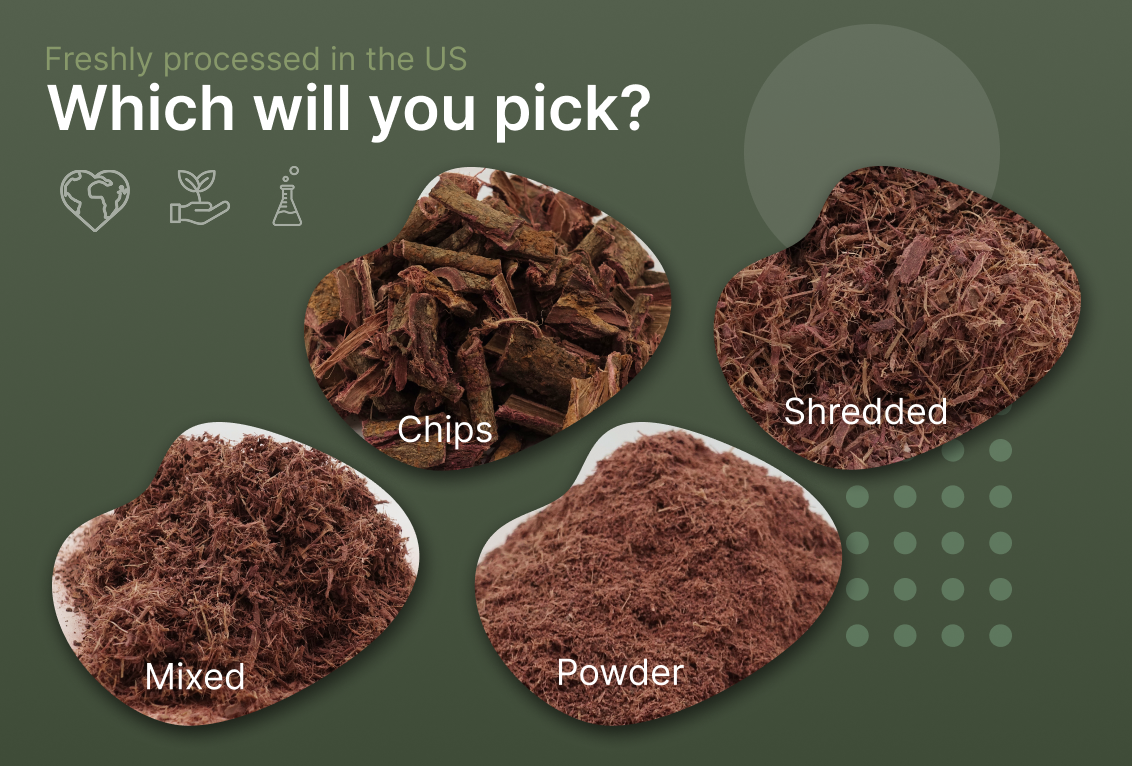
Mimosa Hostilis in skincare is typically available as an extract or infused into oils, serums, and balms. Because it is less mainstream, you may find it through specialty botanical suppliers or small-batch natural skincare brands. If you are working with raw bark powder, it can be infused into carrier oils or incorporated into DIY formulations under careful preparation.
It works well in evening routines as part of a restorative approach, particularly for targeting scarring, texture, and inflammation. It can also be combined with other antioxidant-rich botanicals for a broader effect.
What the Research Says: Emerging Science on Both Ingredients
Bakuchiol’s research portfolio includes a notable 2018 study published in the British Journal of Dermatology comparing it directly to retinol over 12 weeks. The study found comparable improvements in fine lines, pigmentation, and skin elasticity, with significantly less facial dryness and stinging in the Bakuchiol group. This was a landmark moment for the ingredient’s credibility.
Mimosa Hostilis research is more concentrated in wound care and pharmacological literature but is beginning to attract interest in dermatological contexts. Studies from Brazilian institutions have looked at the antimicrobial, anti-inflammatory, and regenerative properties of Mimosa tenuiflora bark extracts. As the clean beauty industry continues to look for novel plant-based actives, Mimosa Hostilis is an obvious candidate for more focused cosmetic research.
The Clean Beauty Angle: Sustainability and Ethics
Both ingredients come from natural, plant-based sources, but their sustainability profiles differ. Bakuchiol sourcing from the Babchi plant has raised some concerns about overharvesting in certain regions as demand has increased. Consumers should look for brands that source responsibly and transparently.
Mimosa Hostilis is a notably resilient and fast-growing tree, which makes it a more inherently sustainable source. It is considered a pioneer species in degraded land and has been used in reforestation efforts in Brazil. From an ecological standpoint, this gives Mimosa Hostilis an advantage as demand for natural cosmetic ingredients continues to grow.
Who Should Choose Which Ingredient?
If you are a skincare minimalist who wants a single, clinically validated retinol substitute that is easy to find and integrate into your routine, Bakuchiol is your best bet. It is approachable, gentle, and backed by the kind of consumer and clinical data that gives you confidence in what you are applying to your face.
If you are a skincare enthusiast with an interest in botanicals, regenerative skin science, and ingredients that go beyond standard anti-aging claims, Mimosa Hostilis is worth your attention. It is underutilized, scientifically interesting, and potentially powerful in ways that have not yet been fully explored in commercial skincare.
And if you are genuinely curious? Using both together in your routine is not out of the question. They work through different pathways and target overlapping but distinct skin concerns, meaning they could complement each other well in a thoughtfully constructed regimen.
Can Mimosa Hostilis and Bakuchiol Be Used Together?
There is no known conflict between these two ingredients, and theoretically, their combination could offer layered benefits. Bakuchiol handles the retinol-mimicking, collagen-stimulating side of things, while Mimosa Hostilis contributes its regenerative, anti-inflammatory, and antioxidant properties. Think of it as having both a precision tool and a broad-spectrum repair mechanism working in parallel.
That said, as with any new ingredient combination, introducing them gradually and observing how your skin responds is the wisest approach.
Conclusion: The Underdog Deserves More Credit
Bakuchiol is a proven, well-loved ingredient that has earned its place as the most recognized natural retinol alternative on the market. Its clinical backing is solid, its tolerability is excellent, and its anti-aging results are real. For most people starting their journey with plant-based retinol alternatives, it is the logical first step.
But Mimosa Hostilis is the quiet powerhouse that mainstream skincare has barely scratched the surface of. With its deep roots in traditional medicine, its remarkable tissue-regenerating properties, its rich bioactive compound profile, and its ecological sustainability, it presents a genuinely compelling case for broader recognition. The fact that it is not yet a household name is more a reflection of commercial trends than actual efficacy.
So which natural retinol alternative deserves more attention? In the market? Bakuchiol is already there. In your medicine cabinet, your research list, and the future of botanical skincare science? Mimosa Hostilis is long overdue for its moment.
Frequently Asked Questions
1. Is Mimosa Hostilis safe to use on the face?
Yes, Mimosa Hostilis is generally considered safe for topical facial use. Its anti-inflammatory and antioxidant compounds make it well-tolerated for most skin types, though a patch test is always recommended before full application.
2. Can Bakuchiol be used every day?
Absolutely. Unlike traditional retinol, Bakuchiol can be used both morning and night without causing increased sun sensitivity or irritation, making it one of the most practical daily-use anti-aging ingredients available.
3. How long does it take to see results from Bakuchiol?
Most users begin noticing visible improvements in skin texture, fine lines, and tone after 8 to 12 weeks of consistent use. Patience and daily application are key to getting the best results.
4. Where can I find Mimosa Hostilis skincare products?
Because it is not yet mainstream, Mimosa Hostilis is most commonly found through specialty botanical suppliers, small-batch natural skincare brands, or as a raw extract for those who prefer DIY formulations.
5. Which ingredient is better for sensitive skin?
Both are considered gentle options, but Bakuchiol has more clinical data specifically supporting its use on sensitive skin. Mimosa Hostilis is also well-tolerated, but those with reactive skin should patch test carefully due to its potent bioactive profile.