Buying botanical products online has become increasingly common, and Mimosa Hostilis is no exception. Whether you are purchasing it for natural dyeing, traditional herbal use, or skincare formulations, you want to know that what arrives at your door is genuinely fresh, properly sourced, and actually worth what you paid. The problem is that the online marketplace is flooded with sellers offering wildly different quality levels, and without seeing or touching the product beforehand, it can feel like a gamble. This guide walks you through every key indicator of quality so that you can make a confident, informed decision every single time.
What Is Mimosa Hostilis and Why Does Quality Matter?
Mimosa Hostilis, also known as Mimosa tenuiflora or Jurema Preta, is a perennial tree native to northeastern Brazil and parts of Mexico and Central America. It has a long history of use in traditional folk medicine and is particularly well known in the natural dyeing community for the rich, earthy tones its root bark can produce. In recent years, it has also found a place in botanical skincare, where preparations from its bark are used for their reported soothing and regenerative properties.
Quality matters enormously with this plant. A poorly stored, old, or adulterated batch will not only fail to deliver the results you expect but could also mean you are throwing money away on a product that has degraded beyond usefulness. Fresh, authentic Mimosa Hostilis has specific visual, aromatic, and textural characteristics that distinguish it from inferior alternatives.
Where Your Mimosa Hostilis Comes From Matters More Than You Think
The Importance of Geographic Origin
Authentic Mimosa Hostilis is primarily sourced from Brazil, particularly the states of Pernambuco, Bahia, and Minas Gerais. Mexican varieties exist as well, though the chemical and physical profiles can differ slightly. When you are buying online, always look for sellers who are transparent about the geographic origin of their product. A listing that says simply “South American bark” without specifying a country or region should raise an immediate red flag.
Reputable vendors will typically state the origin region, and some will even name the specific harvesting cooperative or supplier. This level of transparency is a strong sign that the seller is working with genuine, traceable material rather than buying bulk filler from an unknown intermediary.
Wild Harvested vs. Cultivated
Wild harvested Mimosa Hostilis from mature trees is generally considered to be of higher quality than cultivated alternatives because the plant develops more robustly under natural conditions. Look for sellers who specify wild harvested material and who can speak to the age of the trees being harvested from. Older, more established trees tend to yield bark with a deeper concentration of the compounds that give Mimosa Hostilis its valued properties.
Visual Inspection: What Fresh, Authentic Bark Looks Like
Color Is One of Your First Clues
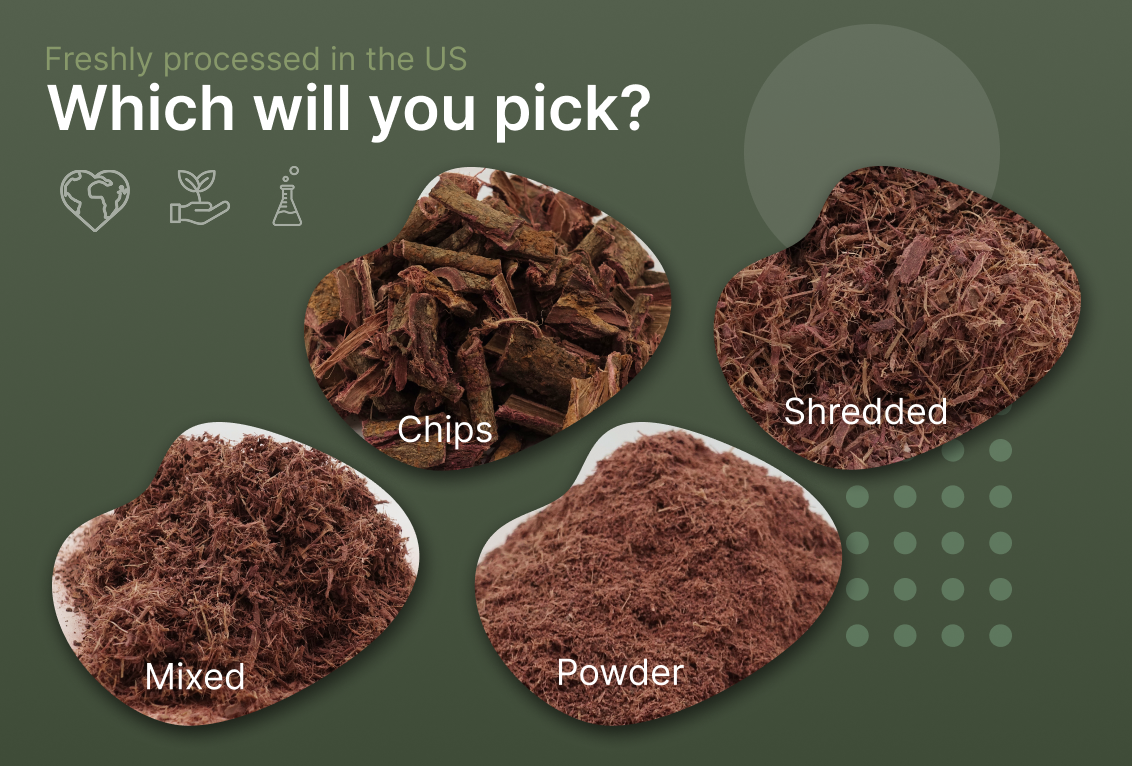
Fresh, high quality Mimosa Hostilis root bark has a distinctive reddish brown to deep burgundy inner surface. The exterior of the bark tends to be rougher and more grayish brown. When you open your package, if the material appears uniformly pale, bleached, or grayish throughout with little to no red or burgundy coloration on the inner surfaces, that is a serious indicator that the batch is either old, improperly dried, or has been adulterated in some way.
The depth of color is not just cosmetic. The rich reddish tones in authentic bark are associated with the presence of tannins and other bioactive constituents that give Mimosa Hostilis its value in dyeing and botanical applications. Faded color often means these compounds have degraded.
Texture and Consistency of the Material
Authentic powdered Mimosa Hostilis root bark should have a fine to medium grind with a consistent texture throughout. If you are buying shredded bark rather than powder, the pieces should be relatively uniform in appearance. Watch out for batches that seem to mix bark with what looks like wood fiber, sawdust, or unidentifiable plant material. Excessive woody filler is a common adulterant used to increase the weight of a batch while reducing the seller’s cost.
When you rub a small amount of powder between your fingers, it should feel relatively smooth and leave a slight reddish stain on your skin due to the natural tannin content. If it leaves no color at all or produces a brown to orange rather than reddish stain, the inner bark ratio in the product may be lower than advertised.
Smell: One of the Most Reliable Freshness Indicators
What Fresh Mimosa Hostilis Actually Smells Like
This is one area where buying online creates a real challenge, but it becomes important the moment your package arrives. Fresh Mimosa Hostilis root bark has a distinctive earthy, slightly sweet, and mildly astringent aroma. Some people describe notes that are faintly woody with a hint of something almost floral underneath. It is a complex but pleasant botanical scent.
If your package arrives smelling musty, damp, moldy, or completely odorless, treat those as warning signs. A musty or moldy smell suggests the material was stored in humid conditions and may have begun to degrade or even develop mold internally. A completely neutral or “dead” scent often means the material is old and has lost much of its volatile content through extended storage.
Comparing Smell Across Batches
If you have purchased Mimosa Hostilis before and are buying from a new vendor, compare the aroma directly. This is one of the most reliable quality checks you can perform yourself without laboratory testing. Significant differences in scent profile between batches from different vendors often point to differences in origin, processing, or age of the material.
Checking for Freshness: Moisture and Storage Conditions
Why Moisture Content Is Critical
Properly dried Mimosa Hostilis should have a low moisture content. Material that is too moist will clump together in the bag, feel slightly tacky or heavy, and is at high risk of developing mold during storage. On the other hand, material that has been dried too aggressively at high temperatures can lose some of its more delicate aromatic compounds, which affects its performance in applications like natural dyeing.
The ideal product feels dry but not brittle or dusty. Powder should flow freely without significant clumping, and shredded bark pieces should snap cleanly rather than bending or feeling rubbery.
Packaging as a Freshness Signal
Pay close attention to how the product is packaged when it arrives. Quality vendors typically ship Mimosa Hostilis in sealed, airtight bags, often with oxygen absorbers or vacuum sealing for larger quantities. If your product arrives in a loosely tied or poorly sealed bag, or if there are signs that the packaging has allowed air or moisture exposure during transit, this compromises both freshness and shelf life.
Good packaging is not just courtesy, it is a sign that the vendor understands the product and cares about delivering it in optimal condition.
How to Evaluate the Seller Before You Buy
Transparency and Product Descriptions
A trustworthy seller of Mimosa Hostilis will provide detailed, accurate product descriptions that include the plant’s origin, the part of the plant being sold (root bark specifically, not just bark), the form (whole, shredded, or powdered), the harvest date or approximate freshness window, and their storage and shipping practices.
Vague listings that omit these details are a concern. You are purchasing a botanical product whose quality depends heavily on all of these factors, and sellers who cannot or will not provide this information often have something to hide about the quality of their supply.
Customer Reviews and Community Feedback
Before purchasing from any vendor, do your research beyond the listing itself. Look for independent reviews from botanical communities, natural dye forums, and herbalist groups. These communities tend to be remarkably candid about vendor quality because people’s projects and money are on the line. A seller with consistently positive feedback from experienced buyers in relevant communities is far more trustworthy than one with generic five star reviews that could have been generated artificially.
Certifications and Lab Testing
Some higher end vendors have begun offering third party lab analysis or certificates of authenticity for their botanical products. While this is not yet universal in the Mimosa Hostilis market, it is a meaningful differentiator. A certificate of analysis from a credible laboratory that verifies the species, confirms the plant part, and checks for contaminants like heavy metals or pesticides represents genuine investment in product quality and customer assurance.
Price as a Quality Indicator: What Should You Expect to Pay?
Understanding Fair Market Pricing
Mimosa Hostilis root bark that is authentically sourced, properly dried, and carefully packaged has associated costs that are reflected in its price. If you find a vendor offering prices dramatically below the market average, treat it with skepticism. Extremely cheap Mimosa Hostilis is often either old stock being cleared at a discount, improperly processed material, or product that has been heavily adulterated with filler.
Conversely, an extremely high price is not automatically a sign of quality either. The sweet spot tends to be vendors priced competitively within the legitimate market range who are willing to justify that pricing through transparent sourcing information and demonstrable product quality.
Quantity and Bulk Discounts
Legitimate vendors often offer tiered pricing that makes bulk purchases more economical. If a seller’s pricing does not scale reasonably with quantity, or if they only sell in very small amounts regardless of demand, this may indicate a limited or inconsistent supply chain rather than a stable, reliable source.
Simple At Home Tests to Assess Quality After Delivery
The Water Test for Tannin Content
One practical test you can perform after receiving your Mimosa Hostilis is a simple water extraction. Take a small amount of the bark or powder, steep it in hot water for several minutes, and observe the resulting liquid. Authentic material with a healthy tannin profile will produce a deep reddish brown to dark tea colored liquid. Weak, pale, or yellowish results suggest either a low inner bark ratio or significantly degraded material.
This test is especially useful for those purchasing Mimosa Hostilis for natural dyeing purposes, as the strength of this water extraction gives you a preview of the dyeing power you can expect from the batch.
Visual Microscopic Check
If you have access to even a basic magnifying glass, examining a small sample of powdered Mimosa Hostilis can reveal a great deal. Authentic root bark powder under magnification shows fibrous plant cell structures in reddish tones. If you see a significant amount of fine, featureless white or beige particles that do not match the reddish fibrous appearance of genuine bark material, this could indicate the presence of starch based fillers or other adulterants in the mix.
Red Flags That Should Make You Walk Away From a Purchase
There are several clear warning signs that should prompt you to abandon a purchase entirely. These include sellers who cannot name the country of origin for their product, listings with no customer reviews or only reviews that seem generic and unverifiable, prices that seem too good to be true without explanation, packaging that shows no thought for airtight moisture protection, and vendors who are unresponsive or evasive when asked direct questions about sourcing and processing.
Trust your instincts when evaluating vendors. A seller who genuinely has a quality product is almost always proud to talk about it and will answer sourcing questions readily. Evasion is rarely innocent in this context.
How to Store Mimosa Hostilis to Preserve Freshness After Purchase
Even a genuinely high quality batch of Mimosa Hostilis will degrade rapidly if stored incorrectly. Once your product arrives, transfer it immediately to an airtight container if it did not come in one, and store it in a cool, dark, and dry location. Exposure to light, heat, and humidity are the primary enemies of freshness. Many experienced buyers store their botanical materials in vacuum sealed bags inside a dark cabinet or even a refrigerator for longer term preservation.
Properly stored Mimosa Hostilis can maintain good quality for one to two years. After that, even well stored material may begin to show signs of degradation in both color and aroma, which will translate to reduced performance in any application.
Conclusion
Buying Mimosa Hostilis online does not have to be a leap of faith. By paying close attention to the color, aroma, texture, packaging, and the transparency of the seller, you can reliably distinguish fresh, authentic, high quality material from inferior alternatives before and after your purchase. Always prioritize vendors who are open about their sourcing, willing to answer your questions, and whose pricing reflects the real cost of delivering a quality botanical product. The effort you invest in vetting your purchase upfront will consistently pay off in better results whether you are using Mimosa Hostilis for natural dyeing, traditional herbal preparations, or botanical skincare formulations. Quality sourcing is not an optional extra when working with botanical materials. It is the foundation everything else is built on.
Frequently Asked Questions
Q1: How can I quickly tell if my Mimosa Hostilis root bark is fresh?
Check the color and smell immediately after opening. Fresh bark has a deep reddish brown inner surface and an earthy, mildly sweet aroma. If it looks pale or smells musty, the batch has likely degraded.
Q2: What part of the Mimosa Hostilis plant should I be buying?
For most applications including natural dyeing and botanical use, you want the root bark specifically, not the stem bark or wood. Always confirm this detail in the product listing before purchasing.
Q3: Is cheap Mimosa Hostilis ever worth buying?
Rarely. Prices significantly below market average almost always indicate old stock, adulterated material, or improper processing. Fair pricing reflects real sourcing and handling costs.
Q4: How long does Mimosa Hostilis stay fresh after purchase?
When stored properly in an airtight container away from light, heat, and moisture, quality Mimosa Hostilis can remain usable for one to two years. Poor storage conditions will accelerate degradation considerably.
Q5: Can I test the quality of Mimosa Hostilis at home?
Yes. Steep a small amount in hot water and observe the color. Authentic material produces a deep reddish brown liquid. A weak or pale result suggests low inner bark content or significantly aged material.