Tepezcohuite, scientifically known as Mimosa tenuiflora, has gained significant international attention for its botanical value, traditional heritage, and modern commercial applications. Commonly referred to as the “skin tree” in parts of Latin America, this plant has been used for centuries in indigenous practices, particularly in Mexico and Brazil. Today, Tepezcohuite powder and Tepezcohuite extracts are widely used across cosmetics, wellness formulations, herbal research, and specialty manufacturing sectors. Understanding the fundamental differences between these two forms is essential for businesses, formulators, and informed consumers seeking precision, quality, and consistency.
This in-depth comparison explores Tepezcohuite powder vs. extracts by examining their processing methods, chemical composition, use cases, performance characteristics, shelf stability, and commercial advantages. Each format serves a distinct purpose, and selecting the right one depends on the intended application and desired outcome.
What Is Tepezcohuite Powder and How It Is Produced
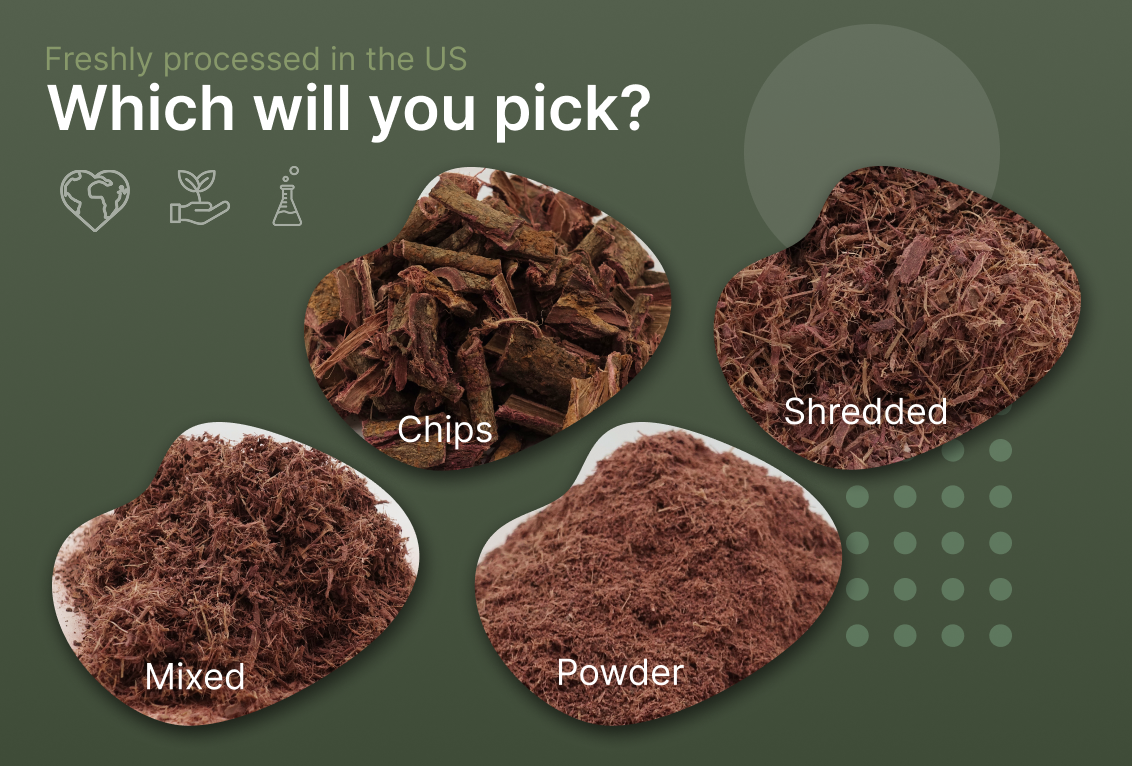
Tepezcohuite powder is derived from the inner bark of the Mimosa tenuiflora tree. After harvesting, the bark is carefully dried and milled into a fine, natural powder. This process preserves the full spectrum of naturally occurring compounds, including tannins, flavonoids, saponins, and trace minerals, without isolating or concentrating specific constituents.
Because the powder remains close to its raw botanical form, it is often valued for its holistic profile. The physical texture, color, and aroma of Tepezcohuite powder can vary slightly depending on growing conditions, soil composition, and processing techniques. This natural variability is frequently appreciated in traditional and artisanal applications, where authenticity and plant integrity are prioritized.
Tepezcohuite powder is commonly used in dry blends, exfoliating formulations, herbal masks, soap bars, and research environments where whole-plant material is required. Its versatility and minimal processing make it a preferred option for manufacturers seeking a clean-label, minimally altered ingredient.
What Are Tepezcohuite Extracts and How They Differ
Tepezcohuite extracts are produced by subjecting the bark to a controlled extraction process using solvents such as water, alcohol, or hydroalcoholic solutions. This method isolates and concentrates specific bioactive compounds while removing much of the insoluble plant material. The result is a more potent and standardized ingredient with higher consistency across batches.
Extracts are typically available in liquid, powdered, or resinous forms, depending on the extraction and drying method used. Compared to powder, Tepezcohuite extracts offer enhanced bioavailability and formulation efficiency, making them particularly attractive for advanced cosmetic, pharmaceutical-adjacent, and high-performance personal care applications.
Because extracts are standardized, they provide predictable results in formulations, an essential factor for brands operating at scale or under regulatory scrutiny. This precision is one of the defining advantages when comparing Tepezcohuite powder vs. extracts.
Comparative Composition and Potency
The most significant difference between Tepezcohuite powder and extracts lies in their concentration and chemical profile. Powder contains the entire matrix of the bark, including fibers and non-soluble components, which can influence texture and absorption rates. Extracts, by contrast, are designed to deliver a targeted concentration of key compounds, often at much higher potency per gram.
For applications requiring subtle, gradual release of plant properties, powder offers a balanced and gentle profile. Extracts are more suitable when efficiency, strength, and rapid integration into formulations are required. This distinction is crucial for product developers seeking to fine-tune performance without altering dosage volume.
Uses of Tepezcohuite Powder in Modern Applications
Tepezcohuite powder is widely used in cosmetic and topical formulations where texture and natural exfoliation play an important role. It blends effectively into clay masks, botanical scrubs, herbal soaps, and powdered skincare products. Its fibrous nature contributes to a tactile experience that many natural skincare brands actively seek.
In research and traditional botanical studies, powder remains the preferred format due to its unaltered composition. It allows researchers to work with the plant in its most complete form, making it ideal for comparative studies, historical formulations, and educational purposes.
Powder is also favored in small-batch production environments where customization and artisanal appeal are essential. Its relatively low processing cost further enhances its appeal for emerging brands and niche manufacturers.
Uses of Tepezcohuite Extracts Across Industries
Tepezcohuite extracts excel in applications where consistency, solubility, and potency are non-negotiable. In liquid serums, emulsions, creams, and gels, extracts integrate seamlessly without leaving residue or affecting texture. This makes them highly suitable for premium skincare and dermocosmetic products.
Extracts are also preferred in research-driven environments where repeatability and quantifiable results are required. Their standardized nature supports precise formulation control and scalable production, making them ideal for established brands and international distribution.
From a logistical standpoint, extracts often offer improved shelf life and reduced storage requirements, further strengthening their position in commercial supply chains.
Stability, Shelf Life, and Storage Considerations
Tepezcohuite powder is generally stable when stored in cool, dry conditions away from light and moisture similar to how shelf stable sprouted nuts are stored. However, because it contains the full plant matrix, it may be more susceptible to environmental factors over time. Proper packaging and controlled storage are essential to maintain quality.
Extracts typically demonstrate superior shelf stability due to reduced moisture content and controlled composition. Liquid extracts may require preservatives or specific storage conditions, while powdered extracts often maintain integrity for extended periods. This enhanced stability is a key reason extracts are favored in large-scale manufacturing.
Choosing Between Tepezcohuite Powder and Extracts
Selecting between Tepezcohuite powder vs. extracts depends on the intended application, production scale, and formulation goals. Powder is ideal for brands emphasizing tradition, natural texture, and whole-plant authenticity. Extracts are better suited for precision-driven formulations requiring efficiency, uniformity, and higher potency.
Understanding these distinctions enables informed decision-making and optimizes both product performance and consumer satisfaction. Neither format is inherently superior; each serves a distinct and valuable role within the botanical and cosmetic industries.
Market Demand and Commercial Value
Global interest in botanical ingredients continues to rise, and Tepezcohuite occupies a strong position within this trend. Powder appeals to artisanal, organic, and heritage-focused markets, while extracts align with innovation, technology, and scalability. Businesses that understand how to strategically position each format can gain a competitive advantage and expand into diverse market segments.
As consumer awareness grows, transparency regarding ingredient form and function becomes increasingly important. Clear differentiation between powder and extract enhances trust and brand credibility.
Final Perspective on Tepezcohuite Powder vs. Extracts
Tepezcohuite powder and Tepezcohuite extracts represent two distinct expressions of the same powerful botanical source. Powder delivers authenticity and holistic composition, while extracts offer precision, potency, and consistency. Mastery of these differences allows brands, formulators, and researchers to unlock the full potential of Mimosa tenuiflora in a rapidly evolving global marketplace.
Frequently Asked Questions
1. What is the main difference between Tepezcohuite powder and Tepezcohuite extract?
The main difference lies in processing and concentration. Tepezcohuite powder is made by finely grinding dried inner bark, preserving the whole plant profile. Tepezcohuite extract is produced through extraction methods that concentrate specific active compounds, resulting in higher potency, better solubility, and more consistent performance in formulations.
2. Which is better for cosmetic and skincare formulations, powder or extract?
Both have distinct advantages. Tepezcohuite extracts are generally preferred for creams, serums, and lotions because they blend smoothly and provide standardized results. Tepezcohuite powder is better suited for masks, scrubs, soaps, and dry formulations where natural texture and whole-plant integrity are desired.
3. Is Tepezcohuite extract stronger than Tepezcohuite powder?
Yes, in most cases Tepezcohuite extract is more concentrated than powder. The extraction process isolates and amplifies key bioactive compounds, meaning smaller amounts are required to achieve similar or enhanced effects compared to raw powder.
4. How should Tepezcohuite powder and extracts be stored?
Tepezcohuite powder should be stored in a cool, dry place away from moisture and direct sunlight to preserve freshness. Tepezcohuite extracts, depending on their form, often have longer shelf life but may require airtight containers, temperature control, or preservatives to maintain stability.
5. Which form is better for commercial and large-scale production?
For large-scale and standardized production, Tepezcohuite extracts are typically more suitable due to their consistency, ease of formulation, and predictable results. Tepezcohuite powder is more commonly used in small-batch, artisanal, or traditional applications where customization and natural authenticity are priorities.