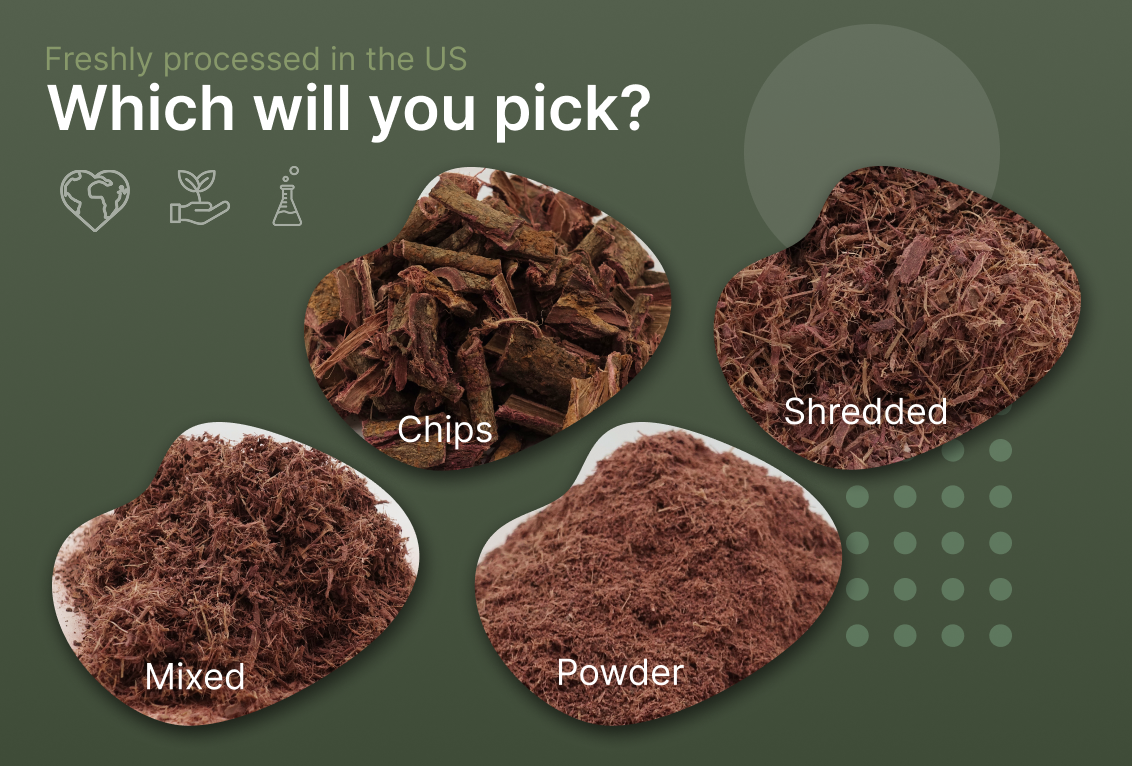
Mimosa hostilis, also widely known as jurema preta, is a resilient perennial tree native primarily to regions of northeastern Brazil and parts of Central America. Its reputation for strength, adaptability, and biochemical richness has made it a subject of interest in botanical research, ecological studies, and commercial supply chains focused on raw plant materials. Potency, when discussed in a professional and scientific context, refers to the relative concentration of naturally occurring compounds within the plant’s tissues, particularly in the root bark. These concentrations are not random. They are the direct result of environmental pressures, especially climate and soil composition, acting on the plant over many years.
Climate as a Primary Driver of Plant Chemical Expression
Climate is one of the most decisive variables influencing Mimosa hostilis potency. Temperature patterns, rainfall cycles, humidity levels, and seasonal stress all shape how the plant allocates energy and synthesizes defensive compounds. In regions where Mimosa hostilis thrives naturally, the climate is typically semi-arid with pronounced dry seasons. These conditions are not incidental. They actively encourage the plant to develop a dense and chemically rich root system as a survival strategy.
Prolonged exposure to heat combined with limited water availability forces Mimosa hostilis to slow its above-ground growth while investing heavily in its roots. This underground focus supports long-term survival and results in higher concentrations of secondary metabolites. Plants grown in consistently mild or overly wet climates often show faster vegetative growth but reduced biochemical density, demonstrating that environmental stress is a key factor in potency development.
The Role of Rainfall Patterns and Seasonal Stress
Rainfall is not merely about quantity but timing. Mimosa hostilis responds strongly to cyclical drought followed by short, intense rainy periods. These fluctuations act as biological signals, prompting the plant to reinforce its internal chemistry during dry phases and regenerate during wetter intervals. This natural rhythm enhances the complexity and concentration of compounds stored in the root bark.
In contrast, regions with evenly distributed rainfall throughout the year tend to produce plants with diluted chemical profiles. Without the evolutionary pressure imposed by drought stress, Mimosa hostilis has less incentive to synthesize and store high levels of protective compounds. This is why botanists often associate seasonal hardship with superior potency rather than idealized growing conditions.
Temperature Extremes and Their Long-Term Effects
Temperature stability versus fluctuation also plays a decisive role. Mimosa hostilis exposed to wide temperature swings between day and night demonstrates a more robust chemical response than plants grown in thermally stable environments. Cooler nights slow metabolic processes, while hot days accelerate them, creating a dynamic internal cycle that favors compound accumulation.
Over many years, these micro-adjustments result in root bark that is denser, darker, and more chemically complex. This is one reason why Mimosa hostilis sourced from its native biome is often distinguished from cultivated specimens grown outside its traditional climate range. The interaction between heat stress and metabolic regulation cannot be artificially replicated without compromising potency.
Soil Composition as a Foundation for Potency
While climate sets the stage, soil determines the raw materials available to the plant. Mimosa hostilis is most commonly found in mineral-rich, well-draining soils with low organic matter. These soils are often sandy or rocky, forcing the roots to grow deep in search of nutrients and moisture. This depth not only strengthens the plant structurally but also influences the biochemical profile of the root bark.
Soils high in calcium, iron, and trace minerals contribute to more complex compound synthesis. Conversely, overly fertile soils rich in nitrogen promote rapid growth at the expense of chemical concentration. In professional botanical analysis, slower growth is often correlated with greater compound density, making nutrient-poor soils paradoxically ideal for potency.
pH Levels and Nutrient Availability
Soil pH plays a subtle but critical role in determining how nutrients are absorbed by Mimosa hostilis. Slightly acidic to neutral soils tend to support optimal mineral uptake, particularly for micronutrients involved in enzymatic processes. These enzymes are directly responsible for synthesizing many of the compounds associated with potency.
When soil becomes too alkaline or overly acidic, nutrient lockout can occur. This forces the plant into a state of nutritional imbalance, which may stunt growth or alter its chemical output in unpredictable ways. Long-term stability in soil pH allows Mimosa hostilis to fine-tune its internal chemistry over decades, resulting in consistent and measurable potency.
Microbial Life and Rhizosphere Interactions
An often-overlooked factor is the living ecosystem within the soil itself. Beneficial fungi and bacteria form symbiotic relationships with Mimosa hostilis roots, assisting in nutrient absorption and stress tolerance. These microorganisms influence how efficiently minerals are converted into usable compounds within the plant.
In undisturbed native soils, this microbial network is well-established and highly specialized. Cultivated or heavily farmed soils often lack this complexity, leading to reduced biochemical efficiency. The rhizosphere environment, shaped by both soil and climate, acts as a hidden amplifier of potency that cannot be replicated through fertilizers alone.
Altitude and Geographic Location
Altitude introduces another layer of environmental stress that affects Mimosa hostilis potency. Higher elevations often come with increased UV exposure, cooler nights, and thinner soils. These factors collectively encourage the plant to produce additional protective compounds, particularly in the root system.
Geographic isolation also matters. Plants growing in regions with minimal human interference develop slowly and consistently, allowing their chemical profile to mature fully. This maturation process can take many years, reinforcing the idea that time, place, and patience are inseparable from potency.
Wild-Grown Versus Cultivated Mimosa Hostilis
From a commercial and botanical standpoint, there is a clear distinction between wild-grown and cultivated Mimosa hostilis. Wild specimens are exposed to unpredictable stressors, including drought, soil erosion, and competition for resources. These pressures shape a more complex and concentrated chemical profile.
Cultivated plants, even when grown responsibly, often experience controlled irrigation and improved soil conditions. While this supports sustainability and yield, it can lead to reduced potency when compared to wild-grown counterparts. The absence of natural hardship alters the plant’s internal priorities, favoring growth over chemical defense.
Implications for Quality Assessment and Sourcing
Understanding how climate and soil affect Mimosa hostilis potency is essential for accurate quality assessment. Visual cues such as root bark color, density, and fiber structure often reflect environmental conditions. Darker, denser bark typically indicates slow growth under stressful conditions, which correlates with higher compound concentration.
Responsible sourcing emphasizes not only legality and sustainability but also environmental authenticity. Suppliers who understand the ecological origins of their material are better positioned to deliver consistent quality. Climate and soil are not interchangeable variables; they are foundational elements that define the plant’s biochemical identity.
Conclusion: Environment as the Architect of Potency
Mimosa hostilis potency is not an accident, nor is it solely determined by genetics. It is the cumulative result of climate stress, soil composition, microbial partnerships, altitude, and time. Each environmental factor layers upon the next, shaping a plant that reflects the land it comes from.
Recognizing this relationship elevates the discussion from superficial metrics to a deeper understanding of botanical integrity. Climate and soil do not merely support Mimosa hostilis; they actively sculpt its chemical character, making environmental context the true measure of potency and quality.
Frequently Asked Questions
1. What does “potency” mean when referring to Mimosa hostilis?
In a botanical and commercial context, potency refers to the concentration and complexity of naturally occurring compounds within Mimosa hostilis, particularly in the root bark. Higher potency is typically associated with slower growth, environmental stress, and long-term exposure to native climate and soil conditions rather than rapid cultivation.
2. Why does Mimosa hostilis grown in dry climates tend to be more potent?
Dry and semi-arid climates subject Mimosa hostilis to consistent environmental stress. This stress encourages the plant to invest energy into its root system and internal chemistry rather than rapid surface growth, resulting in denser root bark and more concentrated compound profiles over time.
3. How does soil quality influence Mimosa hostilis potency?
Mimosa hostilis thrives in mineral-rich but nutrient-poor, well-draining soils. Such soils slow growth and promote deep root development, which supports higher compound density. Overly fertile or nitrogen-rich soils often lead to faster growth but reduced chemical concentration.
4. Is wild-grown Mimosa hostilis stronger than cultivated varieties?
In most cases, wild-grown Mimosa hostilis demonstrates greater potency because it develops under natural stressors such as drought, temperature fluctuations, and limited nutrients. Cultivated plants may be more sustainable and consistent in yield, but they often lack the same environmental pressures that drive chemical intensity.
5. Can Mimosa hostilis potency be improved artificially?
While cultivation techniques can influence growth and health, true potency is largely shaped by long-term interaction with climate, soil, and microbial ecosystems. Artificial methods such as fertilizers or controlled irrigation may improve size or appearance but rarely replicate the biochemical complexity produced by native environmental conditions.